
Pruning
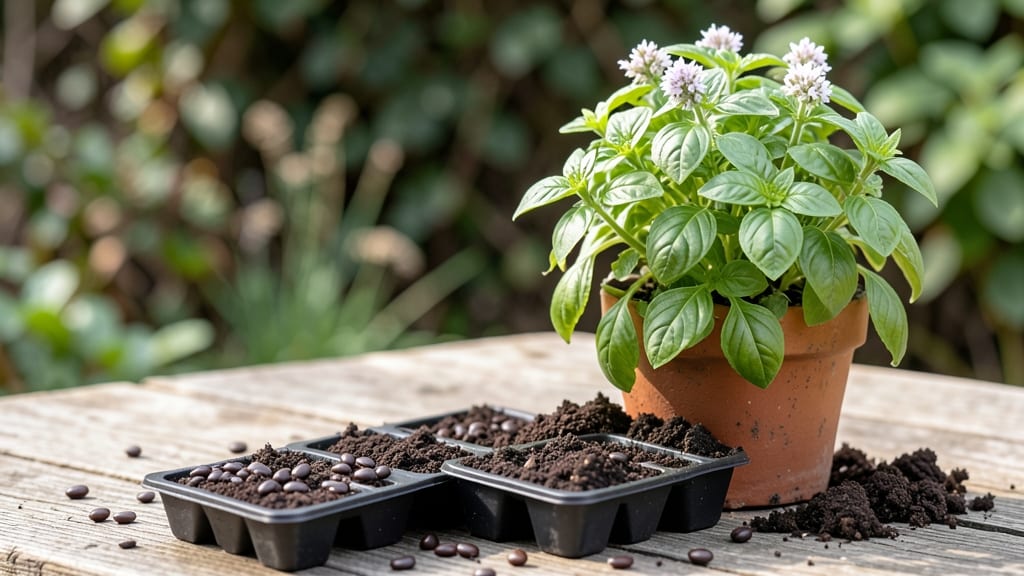
Tree basil seeds grow into those lush, bushy plants that keep producing all season—if you get the germination right. 🌱 I’ve struggled with slow starts and leggy seedlings, but this soil-friendly method cuts germination time in half and keeps plants stocky from day one.
The secret? A warm, moist seed-starting mix and just enough light to prevent stretching. Most people overwater or bury seeds too deep—both kill germination before it begins. With the right setup, you’ll see sprouts in 5-7 days, not the usual two weeks.
Once they emerge, these plants grow fast—expect 2-inch seedlings in just 10 days if you keep them warm and well-lit. The key is balancing water, light, and airflow to avoid mold or damping-off before they even get their first true leaves.
This method works for outdoor sowing too, but timing matters—wait until soil temps hit 60°F for best results. Let’s get those seeds sprouting strong!
📚 In This Guide
- What you need
- Instructions
- Tips and common mistakes
- Wrapping up and next steps
What you need
- ● Tree basil seeds – 1 packet (about 20-50 seeds, depending on the brand). Look for organic or non-GMO seeds for the best results!
- ● Seed-starting mix or potting soil – 1 small bag (2-3 quarts). Choose a lightweight, well-draining mix designed for seedlings.
- ● Small pots or seed trays – 4-6 (2-3 inches deep). Use biodegradable pots or plastic containers with drainage holes.
- ● Drainage trays or saucers – 1-2 (to catch excess water and prevent root rot).
- ● Spray bottle – 1 (for gentle watering). Avoid over-saturating the soil.
- ○ Grow lights or a sunny windowsill – 1 (optional but helpful if natural light is limited). A full-spectrum LED grow light works best.
- ● Plant labels or markers – 4-6 (to track seedling progress). Use eco-friendly labels if possible!
- ● Humidity dome or plastic wrap – 1 (to retain moisture while seeds germinate).
- ● Fertilizer (balanced, water-soluble) – 1 small bottle (e.g., 5-5-5 or 10-10-10). Dilute to half-strength for seedlings.
- ● Pruning shears or scissors – 1 (for future trimming once plants mature).
How to germinate tree basil seeds for fast, bushy growth
Here's my foolproof method for coaxing tree basil seeds into strong, vigorous plants—no leggy stems or slow starts.
🌱 Step 1: Prep Seeds for Faster Germination
Tree basil seeds have a tough outer coating that slows sprouting. To speed things up, soak them in lukewarm water for 12 hours before planting. Place them in a small bowl or jar, cover, and let them sit on your counter. You'll see the seeds swell slightly—this softens the shell so roots can emerge faster.
After soaking, drain the water and let the seeds air-dry for 10 minutes on a paper towel. This prevents them from rotting in damp soil. I like to spread them out on a clean towel while I prepare the planting mix—it keeps everything organized and ready to go.
🪴 Step 2: Use Light, Airy Soil for Strong Roots
Fill small pots or seed trays with a lightweight seed-starting mix (never garden soil—it's too dense). Press the mix down gently until it's firm but not compacted. The goal is a fluffy texture that lets roots spread easily. I tap the container on the table once or twice to settle everything evenly.
Plant the soaked seeds ¼ inch deep—any deeper and they'll struggle to reach the surface. Space them 1 inch apart in each pot. If you're sowing multiple seeds per container, thin to the strongest seedling later to avoid crowding. Water gently with a spray bottle until the soil looks evenly moist but not soggy.
☀️ Step 3: Provide Warmth and Humidity for Germination
Tree basil seeds germinate best in 75-85°F soil. Place your pots on a seedling heat mat or in a warm spot like on top of your fridge. Cover the pots with clear plastic wrap or a humidity dome to retain moisture—you want the soil to stay consistently damp, not wet.
Check daily for sprouts, which should appear in 7-14 days. The first sign is a tiny white root pushing through the soil, followed by the seedling's first true leaves. Once you see 50% germination, remove the plastic immediately to prevent damping-off disease, which can rot tender seedlings overnight.
🌿 Step 4: Move to Bright Light Immediately After Sprouting
The moment those first leaves appear, move your seedlings to a bright, sunny spot with at least 6-8 hours of direct light daily. A south-facing window works, but if your light is weak, supplement with a grow light kept 2-3 inches above the plants. Without enough light, seedlings stretch toward the sun (called "legginess") and become weak.
Rotate the pots a quarter turn daily so the plants grow straight instead of leaning. You'll know your light is right when the seedlings have dark green, compact leaves spaced closely together. If they look pale or stretched, move them closer to the light source.
✂️ Step 5: Thin and Fertilize for Bushy Growth
When seedlings reach 2 inches tall with 2-3 true leaves, thin to the strongest plant per pot. Snip the weaker seedlings at the base with clean scissors—don't pull them, or you'll disturb the roots of the remaining plant. This gives your basil more space to grow bushy and strong.
After thinning, feed with a diluted liquid fertilizer (half-strength) to encourage lush growth. I use a balanced 10-10-10 formula every 2 weeks. Keep the soil evenly moist but never soggy—tree basil hates wet feet. Within 4-6 weeks, you'll have a sturdy, bushy plant ready for transplanting or pruning.
Tips & tricks for perfect tree basil germination
Here's what nobody tells you about getting those stubborn tree basil seeds to sprout like clockwork.
Soaking Secret: The 12-hour soak isn't just about softening the seed coat—it's about creating the perfect hydration balance. Use lukewarm water (around 75°F) and change it halfway through if it starts to smell funky. I've found that adding a tiny pinch of sea salt to the soak water actually helps prevent rot while still softening those tough seed shells.
Soil Science: When pressing down your lightweight seed-starting mix in Step 2, think "firm but fluffy"—not packed like a brick. I take a clean spoon and gently press the surface until it holds its shape when tapped, but still looks like it could crumble if you poke it. This balance lets roots spread without compacting the soil around them, which is crucial for those delicate tree basil roots.
Germination Timing: The 7-14 day window for sprouts can feel like forever, but there's a trick: if you're using a humidity dome, check for condensation daily. When you see tiny water droplets forming on the inside of the plastic, that's your signal the soil is perfectly moist—but if you see actual water pooling, remove the dome immediately to prevent damping-off. I've saved many batches by catching this too-late sign.
Light Strategy: That 6-8 hours of direct light in Step 4 needs to be bright enough to cast shadows. If your seedlings start developing long stems with small leaves (the "legginess" warning), move them within 24 hours—don't wait for them to get worse. I keep a small LED grow light on a timer above my seedlings, and it's made all the difference in preventing that weak, stretched growth.
Pro Tips for Tree Basil Seeds
- Here's what nobody tells you about getting those stubborn tree basil seeds to sprout like clockwork.
- Soaking Secret: The 12-hour soak isn't just about softening the seed coat—it's about creating the perfect hydration balance.
- Soil Science: When pressing down your lightweight seed-starting mix in Step 2, think "firm but fluffy"—not packed like a brick.
Frequently asked questions
Got questions about growing tree basil from seeds?
You’re not alone! Here are some of the most common queries—and their straightforward answers—to help you cultivate lush, bushy plants with ease.
How long does it take for tree basil seeds to germinate?
Tree basil seeds typically sprout within 7–14 days under ideal conditions (warmth, moisture, and indirect light). For faster results, pre-soak seeds for 4–6 hours or use a seedling heat mat (70–75°F). Patience pays off—don’t give up if germination takes longer!
Can I plant tree basil seeds directly in the ground?
While possible, starting indoors 6–8 weeks before the last frost gives seedlings a head start. Direct sowing works in warm climates (Zone 9+) after frost risk passes. Use well-draining soil, cover seeds lightly (¼ inch), and keep soil consistently moist until sprouts appear.
Why aren’t my tree basil seeds sprouting?
Common culprits include cold soil (below 60°F), dry conditions, or old seeds. Troubleshoot by:
- Ensuring soil stays consistently moist (not soggy).
- Using a seedling heat mat or placing trays near a sunny window.
- Testing seed viability with a paper towel test (moisten seeds between towels for 3–5 days).
What’s the best soil mix for tree basil seeds?
A light, airy blend is key—mix 50% potting soil with 50% perlite or coconut coir to prevent damping-off. Avoid garden soil (too dense) or pure peat (retains too much moisture). For extra insurance, add a fungicide like mycorrhizal powder to deter mold.
Can I use regular basil seeds instead of tree basil seeds?
Yes! While tree basil (Ocimum basilicum ‘Tree’) grows taller (3–5 ft), standard basil seeds work fine for bushier varieties. Just adjust spacing (12–18 inches apart) and prune regularly to encourage branching. For a hybrid approach, try mixing seeds—you might discover a new favorite!
Wrapping up and next steps
Growing tree basil from seeds is a rewarding journey that yields fast, lush, and healthy plants with the right soil and care. By following these soil-friendly germination tips, you’ll unlock the secret to bushier, more vibrant basil—perfect for your kitchen or garden. 🌱
Ready to take the next step? Start with high-quality tree basil seeds and experiment with your soil mix. Share your progress with fellow gardeners, and soon, you’ll be harvesting fresh basil like a pro! Happy growing! 🌿