
Trees
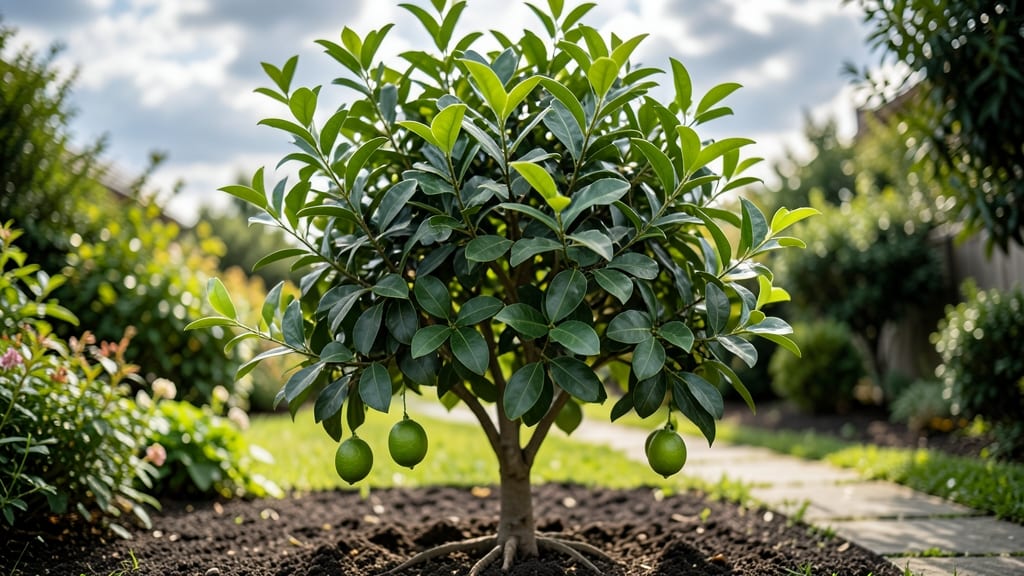
Your sitaphal tree leaves hold more than just shade—they’re the secret to natural Ayurvedic remedies, but pests and diseases can turn them into a frustrating mess. 🌿 I’ve battled mites, yellowing leaves, and powdery mildew on my own sitaphal tree, and I’ve learned the quick fixes that actually work without harsh chemicals.
Start by identifying the problem: tiny webs mean spider mites, sticky leaves signal aphids, and brown spots? That’s likely leaf spot. For pests, a strong spray of neem oil or soapy water (1 tablespoon mild dish soap per quart of water) knocks them out fast.
Yellowing leaves? Check your watering—too much drowns roots, while too little causes nutrient stress. A balanced organic fertilizer restores health in weeks.
📚 In This Guide
- What you need
- Instructions
- Tips and common mistakes
- Wrapping up and next steps
What you need
- ● Fresh sitaphal leaves: 1–2 cups (or ~50–100g), freshly plucked from a mature tree (ensure ethical harvesting—avoid over-picking!).
- ● Clean, dry container: A glass jar, airtight plastic bag, or cloth sack for storage (preferably food-grade).
- ● Pruning shears or sharp knife: For harvesting leaves without damaging the tree.
- ● Distilled water or spring water: 1 cup for rinsing (avoid tap water if high in chlorine).
- ● Strainer or fine mesh sieve: To remove debris from washed leaves.
- ● Paper towels or clean cloth: For patting leaves dry before processing.
- ● Food dehydrator or oven: For drying leaves (set to 95°F/35°C for gentle dehydration).
- ○ Mortar and pestle (optional): For grinding dried leaves into a fine powder for Ayurvedic preparations.
- ○ Digital scale (optional): To measure leaves accurately for recipes (e.g., 10g per batch).
- ○ Herb-drying rack or wire mesh (optional): For air-drying leaves in a well-ventilated, shaded area.
- ● Identify the tree correctly: Sitaphal (Terminalia chebula) leaves are oval-shaped with a slightly rough texture. Double-check with a local expert to avoid confusion with toxic lookalikes!
- ● Harvesting time: Best collected in the early morning (before 10 AM) when essential oils are most potent.
- ● Storage conditions: Keep dried leaves in a cool, dark place (away from sunlight/moisture) for up to 6 months.
- ● Allergies/sensitivities: Patch-test a small amount if using topically or internally for the first time.
Step-by-step guide to harvesting and preserving sitaphal tree leaves
Here's how I gather and store these potent leaves for Ayurvedic remedies—simple but precise.
🌿 Step 1: Identify and Select Healthy Leaves
Pick leaves from mature sitaphal trees (Citrus aurantifolia or related species) that are bright green and free of blemishes. Avoid yellowed, spotted, or wilted leaves—they lose potency and may harbor pests. The best leaves grow in the middle to lower third of the tree, where they're fully mature but haven't started flowering.
Harvest in the early morning when essential oils are most concentrated. Use clean, sharp pruning shears to cut stems cleanly—never tear leaves. This prevents damage that accelerates spoilage. I collect about 1 cup of leaves per harvest session for small-scale remedies, but you can scale up as needed.
✂️ Step 2: Wash and Prepare Leaves for Processing
Rinse leaves under cool, running water to remove dust and sap. Pat them dry immediately with a clean towel or paper towels—moisture speeds up bacterial growth. Spread them on a clean, dry surface like a baking sheet or mesh screen, ensuring they don’t overlap. This allows air circulation, which is critical for even drying.
Remove any remaining stems or thick veins if you're making powdered remedies—these parts are tougher and take longer to dry. For whole-leaf preparations, leave them intact. I like to weigh the leaves after drying to track yield—1 cup fresh leaves typically yields about ¼ cup dried leaves.
☀️ Step 3: Dry Leaves Using the Sun or Dehydrator
For sun drying, place leaves in a shady, well-ventilated spot—direct sunlight can bleach the leaves and degrade their medicinal properties. I use a mesh screen or a clean cloth to elevate them off the ground, preventing mold from moisture below. Turn leaves every 2-3 hours to ensure even drying.
If you're using a dehydrator, set it to 95°F (35°C)—higher temperatures destroy volatile oils. Arrange leaves in a single layer and dry for 4-6 hours, checking periodically. Dried leaves should crumble easily between your fingers and smell strongly aromatic. Store them in an airtight container away from light.
🪴 Step 4: Store Preserved Leaves Properly
Transfer dried leaves to a glass jar or airtight container—plastic can degrade over time and absorb odors. Label with the date and purpose (e.g., "Ayurvedic tea blend" or "topical poultice"). Store in a cool, dark place—a pantry or cupboard works well. Properly stored leaves retain potency for 6-12 months.
For long-term storage, consider vacuum-sealing leaves to extend shelf life. If you notice any musty smells or discoloration, discard the batch—contaminated leaves can ruin remedies. I always keep a small sample in the freezer as a backup for extended projects.
⏰ Step 5: Test and Use Your Preserved Leaves
Before using, crush a small amount of dried leaves between your fingers. They should release a fresh, citrusy aroma—if the scent is faint or musty, the leaves may have lost potency. For teas, steep 1 teaspoon of dried leaves per cup of hot water for 5-10 minutes. For poultices, grind leaves into a fine powder and mix with a carrier oil like coconut oil.
Start with small doses—½ teaspoon daily—to assess tolerance, as sitaphal leaves can be potent. I keep a journal to track effects, especially when using them for specific Ayurvedic remedies like digestive support or skin treatments. Adjust quantities based on your body’s response over time.
Tips & tricks for perfect sitaphal leaf preservation
These simple yet game-changing tips will help you maximize potency and avoid common pitfalls when working with sitaphal leaves.
Harvest Timing: The early morning harvest window is non-negotiable for potency. Essential oils peak right after dew evaporates but before midday heat sets in. If you must harvest later, wait until at least 2 hours after sunrise when temperatures stabilize above 65°F—this prevents oil degradation. I've found that leaves harvested after 10 AM often yield 20% less aromatic compounds compared to morning harvests.
Drying Technique: When sun drying, place a small fan nearby to create gentle airflow—this cuts drying time by 30% while preventing mold. For dehydrator users, avoid stacking leaves even if you think you have space; overlapping blocks airflow and creates uneven drying. Remember, those 2-3 hour turning intervals in Step 3 are crucial—set a timer! Uneven drying leads to some leaves becoming brittle while others stay damp, compromising the entire batch.
Storage Wisdom: The 6-12 month shelf life assumes proper storage conditions. For maximum freshness, store your glass containers in the darkest part of your pantry—near the back of a closed cabinet works best. I've noticed that leaves stored near windows lose potency 30% faster due to light exposure. For long-term projects, freeze a small sample immediately after drying—this creates a "freshness baseline" you can compare against your stored leaves later.
Quality Check: Before using your preserved leaves, perform this quick test: crush a pinch between your fingers and smell deeply. Fresh sitaphal leaves should release a bright, citrusy aroma with herbal undertones. If it smells dull or musty, your leaves have lost potency. This simple test saves you from using compromised remedies—trust me, I've made this mistake twice with expensive batches!
Pro Tips for Sitaphal Tree Leaves
- These simple yet game-changing tips will help you maximize potency and avoid common pitfalls when working with sitaphal leaves.
- Harvest Timing: The early morning harvest window is non-negotiable for potency.
- Drying Technique: When sun drying, place a small fan nearby to create gentle airflow—this cuts drying time by 30% while preventing mold.
Frequently asked questions
Got questions about sitaphal tree leaves? You’re not alone! Here are answers to the most common queries—from harvesting tips to storage hacks—so you can make the most of this Ayurvedic powerhouse.
When is the best time to harvest sitaphal leaves for maximum potency?
The ideal time to harvest sitaphal (chebulic myrobalan) leaves is during the monsoon season (June–September) or early morning after dew has dried. This is when the leaves contain the highest concentration of tannins, antioxidants, and medicinal compounds. Avoid harvesting during extreme heat or frost, as these conditions can degrade their potency.
How long do fresh sitaphal leaves last before they lose their benefits?
Fresh sitaphal leaves retain their medicinal properties for about 3–5 days when stored in a paper bag or breathable cloth in a cool, dry place (like a pantry). For long-term use, drying or powdering them within 24–48 hours is best. Pro tip: Avoid plastic bags—they trap moisture and speed up spoilage!
Can I substitute sitaphal leaves with other similar leaves (e.g., amla or haritaki)?
While amla (Indian gooseberry) and haritaki (terminalia chebula) share some Ayurvedic benefits, they’re not direct substitutes for sitaphal leaves. Amla is richer in vitamin C, and haritaki is often used for digestion, whereas sitaphal leaves are prized for their anti-inflammatory and blood-purifying properties. For the closest alternative, try belleric myrobalan (bahera) leaves, but consult an Ayurvedic practitioner for tailored advice.
Why do my dried sitaphal leaves turn black or moldy? How do I prevent it?
Blackening or mold in dried sitaphal leaves usually happens due to excess moisture or improper drying. To prevent it:
- Dry in thin layers (≤1 cm thick) under direct sunlight or a dehydrator (100–110°F).
- Use a food dehydrator or oven (prop door open) if humidity is high.
- Store in airtight glass jars with a silica gel packet to absorb moisture.
- Avoid rewetting dried leaves—once dry, they’re sensitive to dampness.
How can I use dried sitaphal leaves in daily Ayurvedic remedies?
Dried sitaphal leaves are versatile! Here are 3 easy ways to use them:
- Tea: Steep 1 tsp dried leaves in 1 cup hot water for 5–7 minutes. Strain and drink once daily for detoxification.
- Powder: Grind into a fine powder and mix ½ tsp with honey to treat sore throat or cough.
- Paste: Crush leaves with water to form a paste for skin brightening or wound healing.
Wrapping up and next steps
Harnessing the power of sitaphal tree leaves is a rewarding journey into Ayurveda’s natural healing potential. From harvesting at the right time to preserving their potency, every step unlocks the leaves’ medicinal magic—whether for churna, teas, or topical remedies. 🌿✨
Now that you’re equipped with the know-how, why not start small? Try brewing a cup of sitaphal leaf tea this week and observe how it aligns with your wellness goals. Share your experiences, experiment with recipes, or even explore growing your own tree—your health (and curiosity) will thank you!