
Pests and Diseases
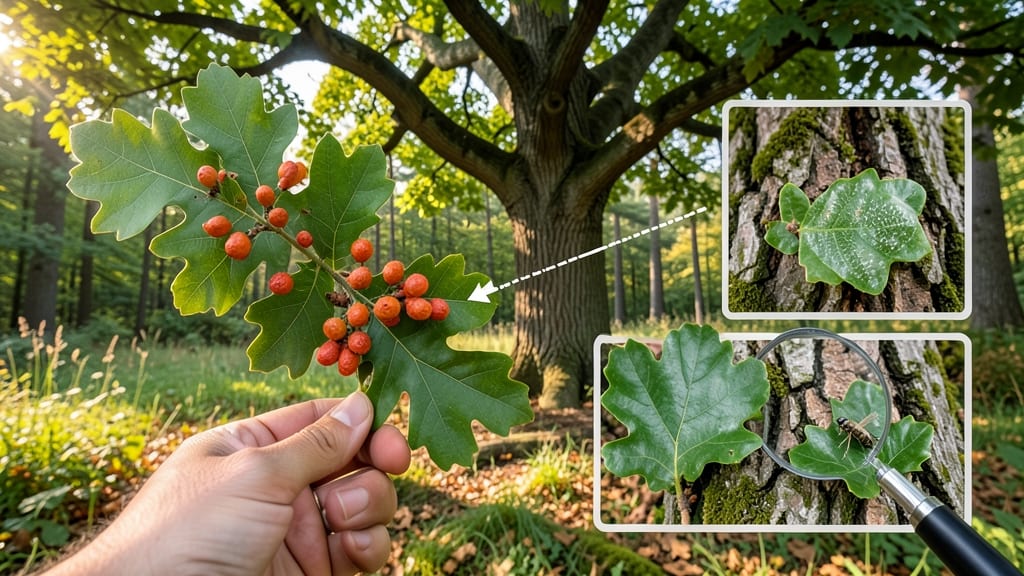
Those tiny red bumps on your tree leaves aren’t just unsightly—they’re often gall mites or mildew starting their takeover. 🌿 I’ve seen healthy oaks turn into skeleton leaves in just a few weeks when these pests go untreated, and the key to saving your tree is acting fast.
The good news? Most cases respond well to early intervention, whether it’s pruning, spraying, or even just watching for the right moment to strike.
Gall mites create those hard, red bumps by injecting chemicals into leaves, while mildew forms fuzzy red patches that spread like wildfire in damp weather. The first sign is usually a few bumps on lower branches—ignore them, and your whole tree could become a buffet.
I’ve stopped infestations in their tracks by combining neem oil sprays with targeted pruning, but the secret is knowing which pest you’re dealing with before you treat it.
You’ll want to start by inspecting leaves under a magnifying glass (yes, really—it’s the only way to tell mites from mildew). Once you confirm the culprit, solutions range from homemade sprays to professional-grade fungicides, depending on how bad it’s gotten.
The goal? Clear the bumps before they weaken the tree’s roots or attract bigger pests like beetles.
If your tree is young or particularly valuable, don’t hesitate to call an arborist—some cases need a stronger hand. But for most homeowners, a few weekly treatments in spring and fall can keep your tree looking lush and healthy for years.
The sooner you act, the less damage those red bumps will do.
Understanding Leaf Bump Triggers
When you spot reddish bumps or swollen growths on tree leaves, it’s rarely a coincidence—these are usually signs of a biological battle. Whether caused by tiny pests or fungal invaders, the triggers are often rooted in nature’s defense mechanisms or opportunistic attackers.
Let’s break down the most common culprits and why they turn your tree’s leaves into a bumpy canvas.
Gall mites—microscopic arachnids—are master manipulators. They don’t just feed on leaves; they hijack the tree’s own cells to create protective galls (those red, swollen bumps). Here’s how it works:
- Larval Injection: Female mites inject saliva into leaf tissue, triggering an overgrowth of plant cells. This creates a nutrient-rich "home" for their eggs.
- Red Pigments: The tree’s stress response often produces anthocyanins (red pigments) as a defense, making galls stand out.
- Species Specificity: Different mite species target specific trees (e.g., Eriophyes mites love roses and oaks). The bump shape—round, elongated, or clustered—can hint at the exact pest.
Pro Tip: 🔍 Examine the underside of leaves for tiny mites (barely visible to the naked eye) or webbing. Early detection means fewer galls next season!
Powdery or downy mildew can also cause reddish, crusty bumps on leaves, though they’re usually white or gray at first. These fungi thrive in humid conditions and exploit weak spots:
- Spores Germinate: Fungal spores land on leaves and penetrate through stomata (tiny pores). They secrete enzymes that disrupt cell walls, causing localized swelling.
- Red Rust Fungi: Some mildew-like fungi (e.g., Cronartium) produce bright red pustules filled with spores. These often appear on alternate host plants (like junipers and oaks).
- Environmental Triggers: Overhead watering, poor airflow, or nitrogen-heavy soil weaken leaves, making them prime targets.
Watch For: 🌡️ Sticky honeydew (a sign of aphids, which also attract mildew) or black sooty mold growing on the bumps.
Scale insects (e.g., kermes oaks) attach themselves to leaves and stems, sucking sap while secreting a protective waxy coating. Their feeding disrupts nutrient flow, leading to:
- Red Scale Clusters: Some scales (like Toumeyella) produce reddish, crusty bumps as they mature. These are often immobile and resemble tiny shields.
- Leaf Curling: Heavy infestations cause leaves to curl or thicken around the feeding sites, trapping more pests.
- Secondary Infections: Honeydew from scales attracts ants and fosters sooty mold, darkening the bumps further.
Quick Test: 🔪 Gently scrape a bump—if it’s sticky or leaves a red residue, it’s likely scale. Use a magnifying glass to spot their oval bodies.
Not all bumps are biological. Extreme conditions can trigger stress galls or abnormal growth:
- Temperature Shocks: Sudden freezes or heatwaves cause cell damage, leading to red, corky bumps (common in fruit trees).
- Water Stress: Overwatering or drought disrupts nutrient transport, causing puffy, red growths (e.g., on maple or birch leaves).
- Chemical Burns: Herbicide drift or fertilizer salts can scorch leaf edges, creating irregular bumps as the tree tries to heal.
Solution: ✨ Adjust watering practices and test soil pH—stress bumps often resolve once conditions stabilize.
Each of these triggers leaves a unique "fingerprint" on your tree’s foliage. The key to action? Identify the pattern—shape, color, and location of the bumps will steer you toward the right fix.
How to Fix Leaf Bumps Naturally
Discovering red bumps on your tree leaves can be alarming, but the good news is that most causes—whether gall mites, mildew, or environmental stress—have effective, natural solutions. Below, we’ve mapped the most common culprits to targeted fixes, along with prevention tips to keep your trees thriving. No harsh chemicals required!
Gall mites trigger those pesky red bumps by injecting hormones into leaves, causing abnormal growth. Here’s how to tackle them:
🔥 Step 1: Prune Infested Branches
- 👨🍳 Remove affected leaves and small branches in late winter or early spring (before mites become active).
- ⏰ Time it right: Prune when the tree is dormant to minimize stress.
- 🔪 Use clean, sharp shears to avoid spreading mites to healthy parts.
🥘 Step 2: Apply Organic Miticides
- 🌿 Neem oil spray: Mix 1 tbsp neem oil + 1 tsp mild soap in 1 quart of water. Spray every 7–10 days until galls stop forming.
- 🍳 Horticultural oil: Apply in early spring (before buds swell) to smother mites.
- 💡 Pro tip: Reapply after rain—water washes off natural treatments!
🛡️ Step 3: Encourage Natural Predators
- 🐞 Ladybugs and lacewings love gall mites. Plant dill, fennel, or marigolds nearby to attract them.
- 🌱 Avoid over-fertilizing: Too much nitrogen attracts mites—stick to balanced, organic fertilizer.
✨ Prevention for Next Season
- 🌡️ Monitor humidity: Keep soil moist but not soggy (gall mites thrive in dry, hot conditions).
- 🎯 Inspect new plants: Quarantine newly purchased trees for 30 days before planting.
Powdery or downy mildew creates red, crusty bumps by clinging to leaf surfaces. Break the cycle with these steps:
🔥 Step 1: Improve Airflow
- 🌬️ Thin out dense foliage to let air and sunlight reach inner leaves.
- 🌳 Space trees properly: Follow spacing guidelines (e.g., 15–20 ft apart for most fruit trees).
🥘 Step 2: Spray Fungicidal Solutions
- 🍎 Baking soda spray: Mix 1 tsp baking soda + 1 tsp oil + 1 tsp soap per quart of water. Spray weekly until mildew disappears.
- 🌿 Copper fungicide: Use organic copper sprays (like Bordeaux mixture) in early spring as a preventive.
- 💡 Pro tip: Water early in the morning to let leaves dry quickly—mildew loves dampness!
🧼 Step 3: Clean Up Debris
- 🧹 Remove fallen leaves and mulch from the base of the tree (fungi overwinter here).
- 🔪 Sterilize pruners with rubbing alcohol between cuts to prevent spread.
🛡️ Long-Term Prevention
- 🌱 Mulch correctly: Use 2–4 inches of organic mulch (like wood chips) but keep it away from the trunk.
- 💪 Strengthen the tree: Apply compost tea or kelp meal to boost natural resistance.
Sometimes, bumps appear due to heat stress, poor soil, or overwatering. Adjust your care plan:
💡 Quick Fixes for Stressed Trees
- 🌧️ Check watering: Most trees prefer deep, infrequent watering (1 inch per week). Adjust for clay vs. sandy soil.
- 🌱 Test soil pH: Aim for 6.0–7.0 (use a DIY soil test kit). Amend with lime (to raise pH) or sulfur (to lower it).
- 🍂 Provide shade: If your tree is in a hot, sunny spot, add partial shade (especially for young trees).
🛡️ Prevent Future Stress
- 🌿 Mulch properly: Mulch retains moisture and regulates soil temp—never pile it against the trunk.
- 🍎 Avoid heavy pruning in summer: Prune in late winter to reduce stress during growth spurts.
🌟 Final Reminder: Act fast at the first sign of bumps—early intervention saves your tree! For severe infestations, consult a local arborist to rule out pests like scale insects or rust fungi. With the right care, your tree will bounce back healthier than ever.
Frequently asked questions about red bumps on tree leaves
Are red bumps on leaves always harmful?
Not always! While many red bumps signal pests like gall mites or mildew, some are harmless stress reactions. For example, young trees may develop red, corky bumps from sudden temperature changes or overwatering. The key difference? Harmful bumps often appear in clusters, spread rapidly, or cause leaf distortion.
How can I tell if it's mites or mildew causing the bumps?
Check the leaf underside with a magnifying glass: mites leave tiny webbing or microscopic red dots, while mildew creates fuzzy white or gray patches with red crusty spots. Another clue: mites thrive in dry heat, while mildew spreads in damp conditions. Scrape a bump—if it’s sticky, it’s likely scale insects.
Will pruning infected branches help stop the spread?
Prune infested branches in late winter when trees are dormant to minimize stress. Use clean shears and sterilize them with rubbing alcohol between cuts. Remove only the worst-affected areas—don’t over-prune, as this weakens the tree and attracts more pests. Dispose of clippings in sealed bags.
Are homemade sprays effective against red bumps?
Yes! For gall mites, mix 1 tbsp neem oil + 1 tsp mild soap in 1 quart of water and spray every 7–10 days. For mildew, try 1 tsp baking soda + 1 tsp oil + 1 tsp soap per quart of water (spray weekly). Reapply after rain—natural treatments wash off quickly. Always test sprays on a small leaf first.
When should I call an arborist instead of treating myself?
If the bumps cover more than 30% of leaves, the tree is dropping leaves prematurely, or you suspect rust fungi or scale insects, it’s time to call a pro. Also seek help if your tree is young, valuable, or a rare species—some infestations (like oak gall wasps) require professional-grade treatments.