
Leaf Blower
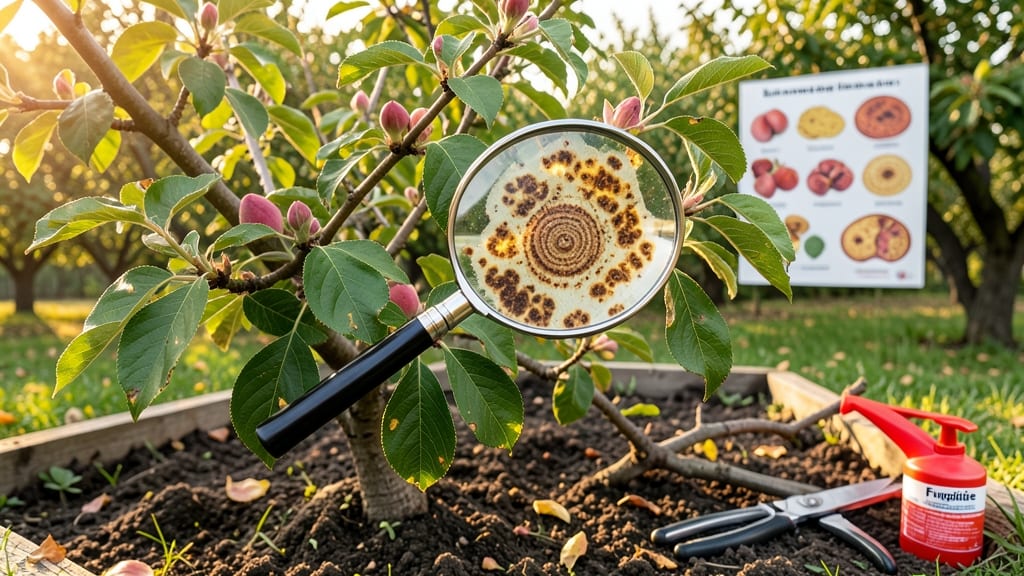
Your peach tree’s leaf spots are turning its leaves into a splotchy mess, and you’re staring at what looks like a fungal blight. 🌿 That brown or black spotting isn’t just unsightly—it’s stealing your tree’s energy and weakening its fruit production.
The good news? You can stop it with organic sprays before it ruins your harvest.
Most leaf spots come from fungal infections like brown rot or bacterial spot, thriving when trees are stressed from wet weather, poor air circulation, or overwatering. I’ve seen these spots spread fast—one week you’re admiring healthy leaves, the next you’re scrambling to save the tree.
The key is acting early with copper-based sprays or neem oil, which smother fungi without harming bees or your soil.
By pruning infected branches and cleaning up fallen leaves, you’ll cut the fungal food source in half. A single application of organic fungicide at bud break and again after rain keeps spots at bay.
Within weeks, your tree will start pushing fresh, spot-free growth—and you’ll be back to enjoying peaches that look as good as they taste.
This works for home orchards, backyard trees, and even container-grown peaches. The secret? Consistency. Spray every 2-3 weeks during wet seasons, and you’ll outsmart the fungus year after year. Let’s get your tree back to thriving.
The Hidden Triggers Behind Spotted Leaves
Peach trees are stunning in bloom, but when their leaves start showing unsightly spots, it’s often a sign of fungal infections or environmental stress. Understanding the why behind these leaf spots is the first step to preventing them—and saving your tree.
Below, we break down the most common causes, backed by science, so you can act fast and protect your peach harvest.
Fungi are the #1 culprit behind peach tree leaf spots, thriving in warm, humid conditions. Here’s how they strike:
🌡️ High Humidity & Warmth: The Perfect Fungal Buffet
Fungal spores—like those from Cladosporium, Cercospora, or Alternaria—love moisture. When humidity stays above 75% for prolonged periods (especially at night), spores germinate and infect leaves through natural openings like stomata (tiny leaf pores).
- 💡 Pro Tip: Fungi spread fastest in afternoon dew or post-rain conditions. If your tree is in a low-lying area or shaded spot, it’s at higher risk.
- 🌡️ Key Temp Range: Ideal fungal growth occurs between 60–85°F (15–30°C). If your region has long, muggy summers, your peach tree is a prime target.
🍃 Weakened Tree Defense: Stress Invites Infection
A stressed tree is an open door for fungi. Common stressors include:
- 💧 Overwatering or drought: Both disrupt nutrient uptake, making leaves less resistant.
- 🌱 Poor soil health: Compacted or nutrient-deficient soil weakens roots, reducing the tree’s ability to fight off pathogens.
- 🪓 Physical damage: Pruning wounds or hail scars create entry points for spores.
⚠️ Watch For: Yellowing leaves, stunted growth, or premature leaf drop—all signs your tree is struggling before spots even appear.
🌿 Overcrowded Canopy: Trapped Moisture
Tightly packed branches prevent airflow, creating a microclimate where humidity lingers. Fungal spores splash from leaf to leaf during rain, spreading rapidly in dense foliage.
- 🌳 Solution: Prune to improve airflow—aim for 12–18 inches (30–45 cm) of space between branches.
- 🍃 Thinning Tip: Remove 20–30% of inner branches to let sunlight and air circulate.
Leaf spots often spike after specific weather events. Here’s how Mother Nature fuels the problem:
🌧️ Frequent Rainfall: The Spore Delivery System
Rain doesn’t just water your tree—it launches fungal spores. Heavy downpours splash spores from infected leaves, soil, or even nearby mulch onto healthy foliage. Once spores land on a leaf, they germinate within 6–24 hours if conditions are right.
- 🔍 Spot the Pattern: If your tree gets spots within a week of rain, fungi are likely the culprit.
- 🌧️ High-Risk Zones: Trees near irrigated lawns or overhead sprinklers face higher spore exposure.
🍂 Late-Spring/Early-Fall: The Fungal Sweet Spot
Fungi like Cercospora (which causes purple leaf spot) peak in late spring when new leaves are tender, and again in early fall as temperatures cool but humidity remains high.
- 📅 Prevention Calendar:
Season Risk Level Action Late Spring ⚠️ High Apply copper fungicide preventatively. Early Fall ⚠️ High Remove fallen leaves (burn or compost away from the tree).
Even the best-intentioned gardener can accidentally invite leaf spots. Here’s how:
💦 Overhead Watering: The Spore Spray
Watering from above (especially with sprinklers) splashes spores onto leaves. Drip irrigation or soaker hoses keep foliage dry, reducing fungal spread by up to 70%.
- 💦 Fix It: Water at the base of the tree in the early morning (6–9 AM) to allow leaves to dry quickly.
- ⏰ Avoid: Watering in the evening—wet leaves overnight = fungal paradise.
🍄 Ignoring Last Year’s Debris
Fungal spores overwinter in fallen leaves, twigs, and old fruit. If you leave them under your tree, they’ll reinfect next season.
- 🧹 Cleanup Checklist:
- Rake and remove all leaf litter from under the tree.
- Disinfect pruning tools with 70% rubbing alcohol or a 10% bleach solution.
- Consider deep tilling the soil (6–8 inches) to bury spores below the root zone.
🌿 Planting Too Close to Hosts
Peach trees aren’t alone—other Prunus species (like plums, cherries, or almonds) can harbor the same fungal strains. If your orchard is mixed, spots can jump between trees.
- 🌳 Spacing Rule: Keep peach trees at least 20 feet (6 m) apart from other stone fruit trees.
- 🚫 Avoid: Planting near wild brambles or weedy hosts like blackberry bushes.
🔍 Key Takeaway: Leaf spots on peach trees are rarely a single issue—they’re usually a combo of fungal pressure, weather, and poor tree health. By addressing all these factors, you’ll break the cycle and keep your tree thriving.
Fixing Fungal Foes on Peach Trees
Now that you know what’s causing those unsightly (and potentially harmful) leaf spots on your peach tree, it’s time to roll up your sleeves and take action! The good news? Most fungal issues can be managed—even reversed—with a mix of preventive care, organic treatments, and smart garden habits.
Below, we’ll break down the best fixes for each common cause, plus tips to keep your tree thriving long-term.
If your peach tree’s leaves are covered in dark brown or black spots with yellow halos, you’re likely dealing with a fungal infection like Monilinia (brown rot) or Cercospora (leaf spot). Here’s how to tackle it:
🔥 Step 1: Prune Infected Areas Immediately
- Remove all infected leaves, fruit, and branches—even if they’re just slightly spotted.
Fungi spread fast! - Sterilize your pruners with rubbing alcohol (70% or higher) or a 10% bleach solution between cuts to avoid cross-contamination. - Dispose of pruned material in the trash (not compost)—fungi can survive in compost piles.
🍳 Step 2: Apply Organic Fungicides
Skip the harsh chemicals and opt for natural, effective sprays that disrupt fungal growth:
- Copper fungicide (e.g., Copper Soap or Bordeaux Mixture) – Kills spores on contact. Best for brown rot.
- Neem oil spray (1 tsp neem oil + 1 tsp mild soap + 1 quart water) – Smothers fungi and deters future infections. Best for leaf spot and rust.
- Baking soda spray (1 tbsp baking soda + 1 tbsp horticultural oil + 1 gallon water) – Alkaline solution that prevents spore germination. Great for preventive care.
💡 Pro Tip: Apply sprays early in the morning or late afternoon to avoid burning leaves in direct sunlight. Reapply every 7–14 days or after rain.
👨🍳 Step 3: Improve Air Circulation & Sanitation
Fungi love moist, crowded conditions.
Help your tree stay healthy by: - Thinning out branches to allow sunlight and air to reach the center. - Watering at the base (not overhead) to keep leaves dry. - Mulching with straw or wood chips (keep 2–3 inches away from the trunk) to reduce soil splashing.
If spots look water-soaked, dark brown/black, and slightly raised, bacteria (like Xanthomonas) may be the culprit. Bacteria are trickier to treat, but prevention is key:
✂️ Step 1: Remove & Destroy Infected Leaves
- Prune and dispose of all affected foliage immediately—bacteria spread via water and tools.
- Avoid overhead irrigation—use drip irrigation instead to keep leaves dry.
🧴 Step 2: Use Copper-Based Bactericides
- Copper fungicide (same as above) works on some bacterial strains. Follow label instructions.
- Hydrogen peroxide spray (1 tbsp 3% hydrogen peroxide per quart of water) can help in mild cases.
🔥 Step 3: Boost Tree Resistance
- Fertilize with compost or balanced organic fertilizer (10-10-10) to strengthen the tree.
- Avoid wounding the tree—prune carefully to prevent bacterial entry points.
Once your tree is healthy, lock in those gains with these long-term strategies:
| Prevention Tip | How to Do It | Why It Works |
|---|---|---|
| Early Spring Cleanup | Remove all fallen leaves & mummies (dried fruit) before buds swell. | Eliminates overwintering spores. |
| Dormant Season Spray | Apply copper fungicide or lime sulfur in late winter. | Kills fungal spores before new growth. |
| Proper Spacing | Plant peach trees 15–20 ft apart for airflow. | Reduces humidity and fungal spread. |
| Resistant Varieties | Choose disease-resistant cultivars like ‘Redhaven’ or ‘Elberta’. | Some trees naturally fight fungi better. |
| Monitor & Act Fast | Check leaves weekly for early signs of spots. | Catches issues before they spread. |
| Season | Action | Frequency |
|---|---|---|
| Late Winter | Dormant spray (copper/lime sulfur) | Once |
| Early Spring | Prune & remove infected debris | Once |
| Bloom Time | Neem oil or baking soda spray | Every 2 weeks |
| Summer | Monitor & retreat if spots reappear | As needed |
| Fall | Clean up all fallen leaves/fruit | Once |
🌟 Final Thought: With consistent care, your peach tree can bounce back—often within 4–6 weeks of treatment. The key is speed and prevention—don’t wait until spots cover every leaf! 🚀
(Need a spray recipe? Check out our DIY Organic Fungicide Guide for step-by-step instructions.)
Frequently asked questions about peach tree leaf spots
What do peach tree leaf spots look like?
Leaf spots on peach trees typically appear as brown, black, or purple circular marks with yellow halos. Fungal spots often have ragged edges while bacterial spots may look water-soaked with greasy edges. Check the undersides of leaves too—many fungal infections start there.
Can I still harvest peaches if my tree has leaf spots?
Yes, but only if the spots are limited to leaves and haven't spread to fruit. Remove any spotted fruit immediately—they can harbor fungal spores that will reinfect next season. For severe infections, wait until the tree recovers before harvesting to ensure fruit quality.
How often should I spray my peach tree for leaf spots?
Apply organic fungicides like copper spray or neem oil every 7–14 days during wet seasons, or after heavy rain. Start spraying at bud break and continue through late summer for best protection. Always apply in the early morning or late afternoon to prevent leaf burn.
Will pruning help stop leaf spots from spreading?
Prune out 20–30% of dense inner branches to improve airflow, and remove all infected leaves. Sterilize your tools between cuts with rubbing alcohol. This reduces humidity in the canopy and removes the fungal food source.
Can I use household items to treat peach tree leaf spots?
Yes! Try a baking soda spray (1 tbsp baking soda + 1 tbsp horticultural oil + 1 gallon water) or milk spray (1 part milk to 9 parts water) as preventive measures. Both create alkaline conditions that fungi dislike. For existing spots, hydrogen peroxide (3%) can help—but always test on a small leaf first.