
Trees
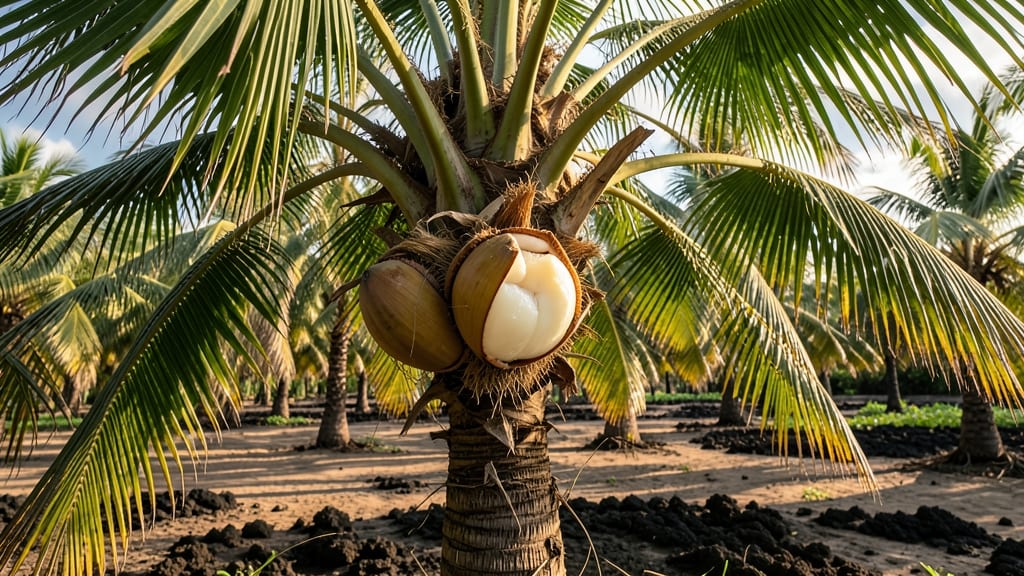
When your palm tree fruit inside refuses to emerge from the husk, patience and the right technique make all the difference. 🌿 I’ve wrestled with stubborn palm fruit for years—until I discovered how to gently coax it out without damaging the plant or the harvest.
The key lies in understanding why it’s stuck and when to intervene.
Most of the time, fruit stays trapped because the husk simply needs more time to dry and split naturally. Overwatering or pests like palm weevils can also seal the deal, though.
I learned the hard way that rushing the process often leads to rot or cracked fruit—so I now wait until the husk turns brown and papery before attempting extraction.
Once it’s ready, a simple pruning tool and a few minutes of careful work will reveal the fruit inside.
You’ll end up with edible (or decorative) harvests that look as good as they taste—whether you’re growing a date palm in your backyard or a small indoor species like a pygmy date palm.
This method works for both outdoor palms in warm climates and indoor varieties in pots. The trick is knowing when to act—and when to let nature take its course. Here’s how to tell them apart and what to do next.
Root Causes of Internal Fruit Growth
Understanding why palm tree fruit develops inside the tree—rather than maturing externally—requires a deep dive into the tree’s biology, environmental triggers, and even human interference. Here’s why this puzzling phenomenon occurs, broken down by the most common culprits:
Some palm species are hardwired to produce fruit that remains enclosed within their fronds or trunk for extended periods. This isn’t a defect—it’s an evolutionary trait!
- Examples of "internal fruiters":
- Coconut palms (Cocos nucifera) – The fibrous husk and thick mesocarp (middle layer) trap the seed inside until fully mature.
- Date palms (Phoenix dactylifera) – Immature dates develop within the tree’s crown shaft, protected until they’re ready for harvest.
- Peach palms (Bactris gasipaes) – Their fruit clusters grow upward, often hidden beneath overlapping leaves.
- Why it happens: Palm trees prioritize seed protection over rapid external growth. Internal fruit development shields embryos from predators, harsh weather, and fungal infections. The tree’s vascular system slowly transports nutrients to the fruit, delaying external visibility until the seed is viable.
- Actionable insight: If you’re growing a palm known for internal fruiting (like coconuts), patience is key. Forcing early harvest can damage the fruit or the tree. Wait until the husk turns brown (coconuts) or the fruit softens (dates) before extraction.
When palm trees face nutritional deficiencies, water extremes, or physical damage, they may redirect energy toward internal fruit development as a survival strategy.
| Stress Factor | How It Affects Fruit Growth | Signs to Watch For |
|---|---|---|
| Waterlogging | Roots suffocate, forcing the tree to prioritize internal seed maturation over external fruit. | Yellowing fronds, stunted growth. |
| Drought | The tree conserves moisture by keeping fruit enclosed until conditions improve. | Wilting leaves, curled fronds. |
| Nutrient Deficiency | Lack of potassium/magnesium disrupts fruit development, leading to "hidden" growth. | Purple undersides on leaves, slow growth. |
| Physical Damage | Broken fronds or trunks trigger hormonal shifts, causing fruit to develop abnormally. | Cracks in the trunk, exposed pith. |
- Why it happens: Under stress, palms activate abscisic acid (ABA), a plant hormone that slows growth and redirects resources to critical functions—like seed development. This can cause fruit to "hide" inside the tree until the tree stabilizes.
- Actionable insight:
- Adjust watering—avoid soggy or bone-dry conditions.
- Prune damaged fronds to reduce stress signals.
Invasive insects, fungi, or bacterial infections can alter a palm’s fruiting behavior, causing fruit to develop internally as a defensive mechanism.
- Common culprits:
- Fusarium wilt – A fungal disease that clogs the tree’s vascular system, forcing internal fruit maturation.
- Scale insects – Sap-sucking pests that weaken the tree, leading to stunted or hidden fruit.
Palm trees are sensitive to temperature fluctuations, which can delay or alter fruit development, sometimes causing it to stay hidden.
- Key temperature triggers:
- Heatwaves – Sudden spikes above 95°F (35°C) may cause fruit to mature prematurely but remain trapped.
- Late-season blooming – If flowers appear too late in the year, the tree may not have time to develop external fruit before winter.
Sometimes, gardening practices unintentionally trigger internal fruit growth. Here’s how:
- Over-fertilizing with nitrogen – Promotes leafy growth at the expense of fruit development, causing fruit to stay hidden.
- Pruning at the wrong time – Removing flower clusters too early can confuse the tree’s hormonal signals.
- Physical trauma from harvesting – Roughly extracting fruit can damage the tree, leading to compensatory internal growth.
- Why it happens: The tree interprets these actions as stress signals and defaults to a "safe mode" where seeds mature internally until conditions improve.
- Actionable insight:
- Avoid pruning during flowering season (typically spring).
- Handle fruit gently—use sharp tools to minimize trunk damage.
Fixing Common Palm Fruit Harvest Challenges
Harvesting palm tree fruit safely and efficiently can be tricky, especially when dealing with stubborn or damaged fruit inside the tree’s crown. Whether you’re struggling with hard-to-reach fruit, overripe or spoiled fruit, or pests and diseases, here’s how to tackle these issues with practical, step-by-step solutions.
Fix: Use the right tools and techniques to safely retrieve fruit without damaging the tree.
- 🔥 Choose the Right Harvesting Tool
- Use a long-handled pruning hook or fruit picker to gently pull down fruit without climbing.
- For heavier fruit (like dates or coconut), attach a rope or pulley system to lower them safely.
- 🍳 Create a Harvesting Platform (For Tall Trees)
- If the tree is too tall, set up a stable ladder or scaffolding with a wide, non-slip base.
- Wear harvesting gloves and a wide-brimmed hat to protect against falling debris.
- ⏰ Time Your Harvest for Ease
- Pick fruit early in the morning when it’s firmer and less likely to bruise.
- Avoid harvesting during windy or rainy conditions—fruit can slip or split.
💡 Prevention Tip:
- Prune lower branches regularly to improve access and reduce the risk of fruit rotting in hard-to-reach spots.
Fix: Remove damaged fruit quickly to prevent pests and disease spread.
- 👨🍳 Inspect and Remove Rotten Fruit Immediately
- Check the tree for discolored, mushy, or moldy fruit and discard it in a sealed bin.
- Use sterilized pruning shears to cut away affected clusters.
- 🥘 Apply Natural Fungicides (If Needed)
- Spray the tree with a baking soda solution (1 tbsp per gallon of water) or neem oil to prevent fungal growth.
- Reapply every 7–10 days until new fruit forms.
- 🔪 Trim Infested Branches (For Severe Cases)
- If rot spreads to branches, cut them off at the base and dispose of them far from the tree.
💡 Prevention Tip:
- Harvest regularly—don’t let fruit overripe on the tree. Most palm fruits (like dates or coconuts) should be picked when 70–80% ripe.
Fix: Eliminate infestations before they ruin your harvest.
- 🌡️ Identify the Pest First
- Common culprits include palm weevils, fruit flies, or mealybugs.
- Look for holes, chewed fruit, or sticky residue (signs of sap-sucking insects).
- 🎯 Use Organic Pest Controls
- For weevils: Inject metarhizium anisopliae (a natural fungus) into infested areas.
- For fruit flies: Set up apple cider vinegar traps near the tree.
- For mealybugs: Wipe branches with rubbing alcohol (70% isopropyl) or spray with soapy water.
- ✨ Encourage Beneficial Insects
- Plant marigolds or basil nearby to attract ladybugs and parasitic wasps, which eat pests.
💡 Prevention Tip:
- Monitor trees weekly—catch infestations early before they spread.
Fix: Improve growing conditions to encourage healthier fruit production.
- 💪 Check Soil and Watering
- Palm trees need well-draining soil—amend with compost or sand if soil is too clay-heavy.
- Water deeply 2–3 times per week (adjust for drought or heavy rain).
- 🍎 Provide the Right Nutrients
- Fertilize with a balanced palm-specific fertilizer (high in potassium and magnesium) during growing season.
- Avoid over-fertilizing with nitrogen—it promotes leaf growth but weakens fruit development.
- ☀️ Ensure Proper Sunlight
- Most palm fruits need full sun (6+ hours daily). If shaded, thin nearby trees/bushes.
💡 Prevention Tip:
- Test soil pH (ideal range: 5.5–7.0). Adjust with lime (to raise pH) or sulfur (to lower pH) if needed.
Final Thought: With the right tools, timing, and care, you can harvest palm fruit safely and efficiently while keeping your tree healthy. Act fast when issues arise—prevention saves time and effort in the long run! 🌴✨
Frequently asked questions
Why does my palm tree fruit stay trapped inside the husk?
This is often a natural process for many palm species like coconuts and dates. The husk protects developing fruit from pests and weather until it's fully mature. Forcing it out too early can damage the fruit or tree. Wait until the husk turns brown and papery before attempting removal.
How do I know when palm fruit is ready to harvest?
Look for these key signs: the husk should be dry and brown, fruit should feel firm but slightly soft when gently squeezed, and any visible cracks should indicate ripeness. For coconuts, tap them - a hollow sound means they're ready. Harvest in the morning when fruit is firmest.
Can I safely remove palm fruit without damaging the tree?
Yes, but use caution. For small palms, wear gloves and use sharp pruning shears to cut the fruit stalk cleanly. For larger trees, use a long pole with a hook or rope system. Never pull or twist - always cut at the base to avoid tearing the tree's vascular system.
What should I do if my palm fruit starts rotting inside the husk?
Remove the affected fruit immediately to prevent spread. Sterilize your tools with rubbing alcohol between cuts. Apply a baking soda solution (1 tbsp per gallon of water) to the tree, and consider adding compost to improve soil drainage. Monitor for pests that may have contributed to the rot.
How can I encourage better fruit production in my palm tree?
Ensure your palm gets full sun (6+ hours daily) and well-draining soil. Use a balanced palm fertilizer (6-6-6 NPK ratio) during growing season, avoiding nitrogen-heavy fertilizers. Water deeply 2-3 times per week, and prune only during non-flowering seasons to reduce stress.