
Pruning
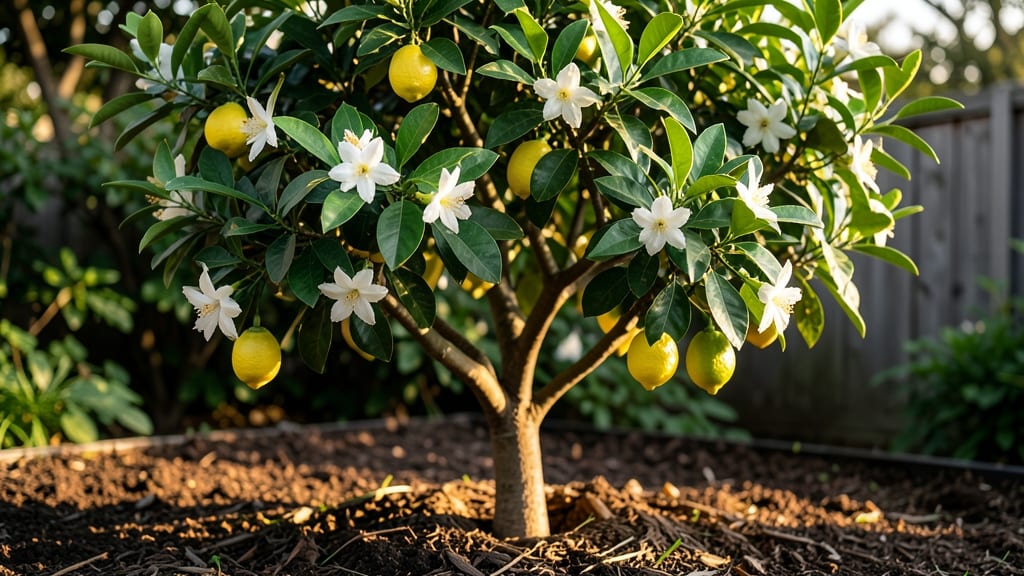
Your lemon tree floral display starts with a single, bold cut. ✂️ I’ve watched my Meyer lemon tree go from sparse branches to a burst of fragrant white blossoms every season—all because I learned when and how to prune for maximum flowering.
The key? Trimming at the right time triggers the tree’s natural response to produce those showstopping blooms that eventually turn into juicy lemons.
Most gardeners wait until spring, but the real magic happens in late winter or early spring—just before new growth kicks in. This timing mimics the tree’s natural cycle in its native tropical climate, encouraging it to focus energy on flowers instead of leaves.
You’ll also need full sun (at least 6-8 hours daily) and a balanced fertilizer to keep the tree healthy and blooming. Overwatering or heavy pruning at the wrong time can shock the tree and send it into survival mode instead of flower mode.
Within 4-6 weeks of proper pruning, you’ll see clusters of tiny buds forming along the branches. The flowers themselves are delicate, fragrant, and short-lived—but that’s when pollinators like bees and butterflies visit, setting the stage for fruit.
A well-pruned tree can produce two to three bloom cycles per year, especially in warmer climates. Even in cooler zones, a little winter protection (like wrapping the trunk) ensures the tree survives to bloom again next season.
Troubleshooting is easy once you know the signs: too little sun or water means sparse blooms, while over-fertilizing with nitrogen can lead to leafy growth at the expense of flowers. The fix? Adjust your care routine and give the tree time to rebound.
With the right approach, your lemon tree won’t just survive—it’ll thrive, gifting you with year-round floral bursts and a harvest of homegrown lemons.
📚 In This Guide
- What you need
- Instructions
- Tips and common mistakes
- Wrapping up and next steps
What you need
- ● Pruning shears: Bypass pruners (sharp, clean, and sterilized with rubbing alcohol to prevent disease). Specs: 6–8" blades for precision.
- ● Lopping shears: For thicker branches (½"–1" diameter). Specs: 10–12" blades for leverage.
- ● Hand saw: For stubborn, woody branches (>1" thick). Specs: Curved blade for clean cuts.
- ● Disposable gloves: Nitrile or latex (thorn-resistant if your tree is spiky!).
- ● Rubbing alcohol (70%+) or bleach solution: 1 part bleach to 9 parts water for sterilizing tools.
- ○ Pruning sealant (optional but helpful): For large cuts (>½") to prevent sap loss or pests. Specs: Tree wound paint with copper or sulfur.
- ● Bucket or tray: For collecting trimmings (compostable or biodegradable bags if needed).
- ● Know your lemon tree’s age: Young trees (light pruning; mature trees benefit from structured shaping.
- ● Check the season: Prune lemon tree floral growth in late winter or early spring (before new buds form) for best results.
- ● Gather inspiration: Sketch or reference images of your desired shape (e.g., vase, standard, or open-canopy style).
- ● Weather check: Avoid pruning on rainy or windy days—tools slip, and cuts heal slower.
- ● Ladder or step stool: For tall trees (ensure it’s stable and non-slip!).
- ● Sharpie or label tags: To mark branches for removal (great for complex pruning plans).
- ● Hose with nozzle: For rinsing tools and refreshing your tree post-prune.
- ● Citrus fertilizer: Low-nitrogen, high-potassium blend (e.g., 6-6-6 or 5-10-10) to apply after pruning for floral boost.
- ● Camera or phone: Snap before/after pics to track progress and lemon tree floral growth!
Step-by-step guide to encouraging year-round lemon tree blooms
Here’s how I coax vibrant flowers from my lemon tree—no matter the season.
☀️ Step 1: Provide Bright, Consistent Light
Lemon trees need 6-8 hours of direct sunlight daily to set flowers. If indoors, place yours near a south-facing window or supplement with a grow light for 12-14 hours per day. I’ve seen blooms fade when light drops below 6 hours, so adjust placement if leaves stretch toward the window—that’s a sign it’s hungry for more.
Outdoors, position the tree where it gets morning sun and afternoon shade in hot climates. Too much midday heat can stress the tree, reducing flower production. Watch for yellowing leaves—that’s your cue to move it to a slightly shadier spot.
💧 Step 2: Water Deeply but Sparingly
Overwatering kills flowers faster than anything. Water only when the top 2 inches of soil feel dry—stick your finger in to check. I water mine once a week in summer, but less in winter when growth slows. Let excess water drain completely; soggy roots mean no blooms.
Use room-temperature water to avoid shocking the roots. If you see drooping leaves that don’t perk up after watering, you’re likely overdoing it. Lemon trees prefer slightly dry conditions over soggy soil—this mimics their Mediterranean roots.
✂️ Step 3: Trim Strategically After Each Bloom Cycle
Prune right after flowers fade to encourage new growth and blooms. Cut back 1/3 of the oldest stems to stimulate fresh shoots. I use clean, sharp pruners and make cuts just above a leaf node—never leave stubs. This keeps the tree compact and flowering.
Remove any dead, diseased, or crossing branches first. These compete for energy and can block sunlight. After trimming, give the tree a balanced fertilizer (10-10-10) to support recovery. You’ll see new shoots within 4-6 weeks—that’s your sign it’s ready for another bloom.
🌱 Step 4: Feed for Floral Growth, Not Just Foliage
Lemon trees need phosphorus-rich fertilizer to bloom. Switch to a high-phosphorus formula (5-10-5) in early spring and again after pruning. I mix it into the top 2 inches of soil and water it in. Too much nitrogen makes leaves lush but flowers scarce—watch for all-green growth with no buds as a warning sign.
In fall, reduce feeding to half-strength to let the tree rest. Over-fertilizing in winter stresses the tree and prevents blooming. A light mulch layer (2 inches) helps retain moisture and nutrients—just keep it 6 inches away from the trunk to avoid rot.
⏰ Step 5: Adjust for Seasonal Changes
Lemon trees need cool nights (50-60°F) to trigger blooming. If you live in a warm climate, move the tree outdoors at night or mist it with cool water to simulate cooler temps. I’ve seen trees bloom year-round in Florida by using shade cloth in summer afternoons.
In winter, keep indoor trees away from heating vents—dry air and heat stress reduce flowering. A humidifier nearby or pebble tray with water helps maintain ideal conditions. Watch for buds forming in late winter—that’s your reward for seasonal adjustments!
Tips & tricks for perfect lemon tree blooms
Here's what nobody tells you about keeping your lemon tree in constant bloom—these details make all the difference.
The Light Factor: If you're using grow lights for 12-14 hours daily, position them just 6-12 inches above the tree. Too far away and the light spreads too thin; too close and you risk burning tender leaves. I rotate my lights weekly to ensure even growth—uneven light exposure shows up as lopsided blooming patterns.
Seasonal Pruning Secret: When you're trimming those 1/3 of oldest stems in Step 3, look for stems that have borne fruit before. These are your powerhouses for new blooms—cutting them back forces the tree to redirect energy to younger, more productive branches. I mark these stems with a ribbon before pruning so I don't accidentally remove them entirely.
Fertilizer Timing: That 5-10-5 phosphorus fertilizer should go on right after your first spring pruning, but here's the catch: water it in immediately. The roots need to absorb phosphorus quickly before it washes away. I mix it with a little molasses (1 tablespoon per gallon of water) to help beneficial microbes break it down faster—your tree will thank you with bigger blooms.
Cool Night Hack: For that 50-60°F nighttime trigger, try placing your tree near an open window with a fan blowing cool air on it. The gentle breeze mimics natural conditions and helps distribute the cool air evenly. I've had trees in 80°F days bloom reliably using this method—just make sure the fan isn't blowing directly on the leaves, which can cause stress.
Pro Tips for Lemon Tree Floral
- Here's what nobody tells you about keeping your lemon tree in constant bloom—these details make all the difference.
- The Light Factor: If you're using grow lights for 12-14 hours daily, position them just 6-12 inches above the tree.
- Seasonal Pruning Secret: When you're trimming those 1/3 of oldest stems in Step 3, look for stems that have borne fruit before.
Frequently asked questions
When is the best time to trim my lemon tree for more flowers?
Trim your lemon tree after the first flush of blooms (late winter/early spring) and again in summer (post-harvest). Avoid heavy pruning in fall—this disrupts winter dormancy. Light shaping trims in early spring also encourage new growth and floral buds. Pro tip: Use clean, sharp shears to avoid disease.
Will trimming my lemon tree reduce fruit production?
Not if done correctly! Strategic pruning actually boosts fruit by improving air circulation and sunlight exposure. Remove only dead, crossing, or overcrowded branches—never more than 25% of the tree at once. Over-trimming can stress the tree, but balanced cuts promote healthier blooms and fruit.
How long does it take to see floral blooms after pruning?
With proper care, you’ll see new floral buds in 4–8 weeks after trimming. Warmer climates may bloom faster, while cooler zones might take longer. Key factor: Ensure your tree gets 6+ hours of sunlight daily and stays well-watered (but not soggy) post-prune.
Can I use the same pruning techniques for Meyer lemon trees?
Yes! Meyer lemon trees follow the same rules, but they’re more forgiving—they bloom even on new growth. Focus on open-center pruning to encourage a bushier shape. However, Meyers are less cold-hardy, so avoid heavy winter trims unless necessary.
My lemon tree isn’t blooming after pruning—what’s wrong?
Check these fixes:
- Light: Move to a sunnier spot (citrus needs full sun).
- Water: Over/under-watering stresses the tree. Aim for deep, infrequent watering.
- Fertilizer: Use a citrus-specific, low-nitrogen blend (e.g., 6-6-6) to encourage flowers.
- Age: Young trees (<3 years) may not bloom—be patient!
If issues persist, inspect for pests (like aphids) or fungal spots on leaves.
Wrapping up and next steps
Growing a lemon tree floral masterpiece is all about patience, precision, and a little love for your green thumb! 🌿 By mastering strategic pruning—whether for spring blooms, summer shape, or winter maintenance—you’ll unlock year-round bursts of fragrant flowers and vibrant foliage.
Remember, every snip is a step toward a healthier, more productive tree.
Ready to take the next step? Start small: grab those shears and trim just one branch today! Track your progress, adjust your techniques, and soon, your lemon tree will reward you with stunning floral displays that brighten every season. Happy pruning! 🌸✂️