
Propagation
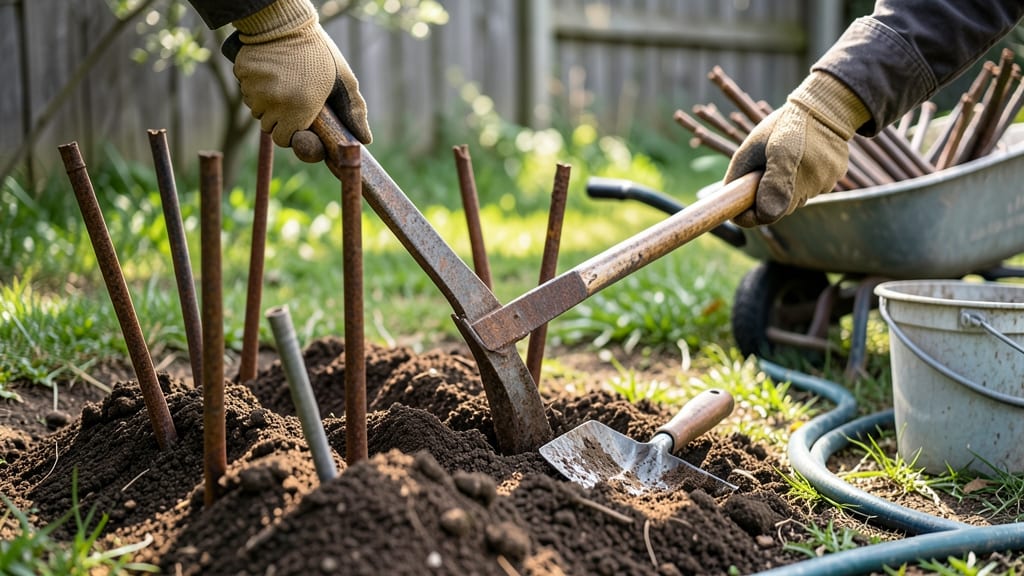
How to remove metal tree stakes from the ground without damaging roots or turning your garden into a rusty battleground—it’s easier than you think! ✨ I’ve wrestled with these stubborn stakes for years, and I’ve learned the right tools and techniques make all the difference between a clean removal and a tangled mess. A pry bar, heavy-duty gloves, and a rust inhibitor spray are your best friends here. For hard clay soil, a little lubrication with soapy water loosens the grip, while loose soil might just need a good tug. The key is patience—rushing can bend stakes or tear roots, leaving you with more work later. Once free, you’ll have smooth, rust-free stakes ready for reuse or recycling. The soil stays intact, and your plants won’t feel the stress of sudden disturbance. No more digging for hours or struggling with bent metal—just a clean, efficient process. If you’re planning future plantings, consider biodegradable stakes to skip this hassle entirely. They break down naturally, leaving no trace behind. Let’s get those stakes out without the headache!
📚 In This Guide
- What you need
- Instructions
- Tips and common mistakes
- Wrapping up and next steps
What you need
- ● Heavy-duty gloves (1 pair) – Look for cut-resistant or mechanics-grade gloves (e.g., Mechanix Wear) to protect your hands from sharp edges and rust.
- ● Adjustable wrench or pipe wrench (1) – A 12- or 14-inch wrench with a 1-inch opening works best for gripping stake heads.
- ● Pry bar or flat-head screwdriver (1) – A 12-inch heavy-duty pry bar or a flat-head screwdriver (size #3 or #4) for leverage.
- ● Hammer or mallet (1) – A 16-ounce rubber mallet (to avoid damaging stakes) or a steel hammer for stubborn stakes.
- ● Rust converter or WD-40 (small bottle) – To loosen rusted stakes and prevent corrosion during removal.
- ● Shovel or garden spade (1) – A round-point shovel or matlock for digging around the stake base if needed.
- ● Wire brush or sandpaper (medium-grit, 80-100) – For scrubbing off rust and debris before disposal.
- ● Heavy-duty trash bags (2-3) – For collecting rusted stakes and debris.
- ● Knee pads – If you’ll be kneeling or digging for extended periods.
- ● Safety goggles – To protect your eyes from flying debris or rust particles.
- ● Long-handled tongs – For handling hot or sharp stakes if they’ve been buried long-term.
- ● Rust-resistant spray paint – If you plan to repurpose the stakes (e.g., for a new project).
Step-by-Step guide to removing metal tree stakes safely
Here’s how I pull out stubborn stakes without bending roots or leaving rusty holes behind.
🪴 Step 1: Gather the Right Tools
First, grab a pry bar or sturdy flathead screwdriver—something strong enough to wedge between the stake and soil. A pair of gloves will protect your hands from sharp edges, and a small shovel or trowel helps loosen stubborn soil around the base. I also keep a wire brush handy to scrub off rust before storing the stakes for reuse.
If the stake is buried deep, a hose with a gentle spray nozzle softens packed soil. Avoid high-pressure jets—they’ll wash away soil and expose roots. Work in dry conditions when the ground is slightly firm, not muddy. Wet soil sticks harder, making extraction a fight.
✂️ Step 2: Loosen the Soil Around the Stake
Start by digging a shallow trench about 2-3 inches deep around the stake’s base with your trowel. This breaks the soil’s grip and gives you leverage. Tap the trowel gently along the stake’s sides to create separation—you’ll hear a faint thud when the soil releases.
For deeper stakes, wiggle the stake side to side while pulling upward. The goal is to create a 1-inch gap between the stake and soil before applying force. If the stake resists, stop and dig deeper—yanking too soon risks bending it or tearing roots. I’ve learned the hard way that patience here saves headaches later.
💧 Step 3: Extract the Stake Without Damaging Roots
Place the pry bar at a 45-degree angle against the stake’s top, just below the soil line. Push down firmly to create leverage, then pull upward in a slow, steady motion. You’ll feel resistance give way as the stake breaks free. If roots cling, gently twist the stake while pulling to detach them cleanly.
Work in sections if the stake is long—extract the top half first, then repeat for the lower portion. Never pry upward from the bottom; this bends the stake and makes it harder to remove. Once free, brush off soil and inspect the roots for any tears. A quick rinse with water helps identify damaged areas that may need mulch to heal.
🪴 Step 4: Clean and Store for Reuse
Use the wire brush to scrub rust from the stake’s surface, focusing on the buried portion where moisture lingers. A drop of mineral oil (if you have it) prevents future rust, but even a dry brush helps. Store stakes in a dry place, like a shed or garage, to avoid corrosion. I bundle them with burlap to keep them organized and protected.
If a stake is too bent or rusted to reuse, repurpose it as a garden marker or fence post. Never leave metal stakes buried—they can interfere with future planting and may leach chemicals into the soil over time. A quick check for sharp edges ensures safety before storing.
⏰ Step 5: Fill the Hole and Protect the Roots
Backfill the hole with the loosened soil, pressing lightly to settle it around the roots. Add a handful of compost or aged mulch to the surface to retain moisture and encourage root regrowth. Water gently to help the soil settle, but avoid overwatering—roots need air too.
For young trees, a stake-free support system like a tree tie and bamboo pole is gentler on roots. If the tree was staked for stability, monitor it for a few weeks to ensure it holds upright without support. Most trees adjust within a month, but deep-rooted species like oaks may need extra time.
Tips & tricks for removing tree stakes safely
These simple tricks will help you extract stubborn stakes without damaging roots or leaving rusty messes behind.
Tool Selection Matters: A pry bar works best for deep stakes, but a sturdy flathead screwdriver can work in a pinch—just make sure it's thick enough to prevent bending. For extra leverage, wrap a rubber mallet around the pry bar handle for safer, more controlled force. I've found that a wire brush with stiff bristles removes rust more effectively than sandpaper, which can leave scratches that trap moisture.
Soil Preparation Secret: In Step 2, when digging that 2-3 inch trench, focus on creating vertical walls rather than a wide groove. This gives you better leverage when prying. For particularly compacted soil, I've started using a garden fork to loosen the earth around the stake before digging—it creates tiny air pockets that make extraction easier. Always work in dry conditions; damp soil clings like glue.
Root Protection Technique: The 45-degree angle in Step 3 is crucial—it distributes force evenly and prevents the stake from twisting, which is what usually tears roots. If you encounter stubborn roots, try this: gently wiggle the stake side-to-side while pulling upward. The roots will often release from the soil before they tear from the tree. For young trees, I recommend using a small hand trowel to carefully separate any remaining root attachments after removal.
Storage Wisdom: When storing cleaned stakes, consider grouping them by size and coating them with a light layer of mineral oil before bundling. This creates a protective barrier against future rust. I've started labeling my stake bundles with the year and tree species they supported—it helps with organization and future reference. For stakes that are too damaged to reuse, cutting them into 6-inch sections makes them perfect for garden markers or fence posts.
Pro Tips for Remove Metal Tree Stakes From Ground
- These simple tricks will help you extract stubborn stakes without damaging roots or leaving rusty messes behind.
- Tool Selection Matters: A pry bar works best for deep stakes, but a sturdy flathead screwdriver can work in a pinch—just make sure it's thick enough to prevent bending.
- Soil Preparation Secret: In Step 2, when digging that 2-3 inch trench, focus on creating vertical walls rather than a wide groove.
Frequently asked questions
When is the best time to remove metal tree stakes?
The ideal time is late fall or early winter, after the plant has entered dormancy (around 6–8 weeks post-planting). This minimizes stress on roots and avoids disturbing active growth. If you planted in spring, wait until the following winter. Avoid removing stakes during hot, dry spells—roots are more vulnerable then!
What if the stakes are rusted and stuck in the ground?
Rust won’t ruin your extraction—just take extra care! Use WD-40 or penetrating oil on the stake’s base to loosen it, then apply steady pressure with a pry bar or mallet. If the stake breaks, leave the rusted fragment in the soil (it won’t harm plants) and remove the rest. For stubborn cases, a soapy water soak (1 part dish soap to 5 parts water) can soften the soil around it.
Will removing stakes damage the tree’s roots?
Not if done carefully! Metal stakes support young trees but aren’t meant to be permanent. Gently wiggle the stake side-to-side while pulling upward to avoid snapping roots. If you notice resistance or bending, stop and check for root entanglement. For deeply rooted plants, use a hose to loosen soil first.
Can I reuse metal tree stakes after removal?
Reusing stakes is possible, but inspect them first! Clean off rust with a wire brush and mineral spirits, then coat with a light layer of motor oil or WD-40 to prevent future corrosion. Avoid reusing stakes with bent or broken tips—they won’t provide stable support. For long-term use, opt for galvanized or coated stakes next time.
What’s a good alternative to metal stakes for young trees?
If metal isn’t your jam, try these low-maintenance options:
- Bamboo or wooden stakes: Biodegradable and easy to remove (just pop them out when roots strengthen).
- Tree ties + soft fabric: Wrap the trunk with burlap or landscape fabric tied to a nearby stake for gentle support.
- Straw or coconut coir wraps: Eco-friendly and provide natural stability as roots grow.
For heavy plants, concrete-filled stakes (with a removable core) offer durability without rust.
Wrapping up and next steps
Removing metal tree stakes without damaging roots or leaving rust behind is totally doable with the right tools and techniques! 🌱 Whether you’re using a pry bar, digger, or even a winch, patience and precision will save your plants—and your sanity.
Start small, work gently, and always prioritize your tree’s health over speed.
Now that you’re ready to tackle those stakes, why not repurpose them or upgrade your garden setup? Consider swapping metal for eco-friendly alternatives like bamboo or biodegradable stakes for your next planting project. Happy digging! 🌟