
Propagation
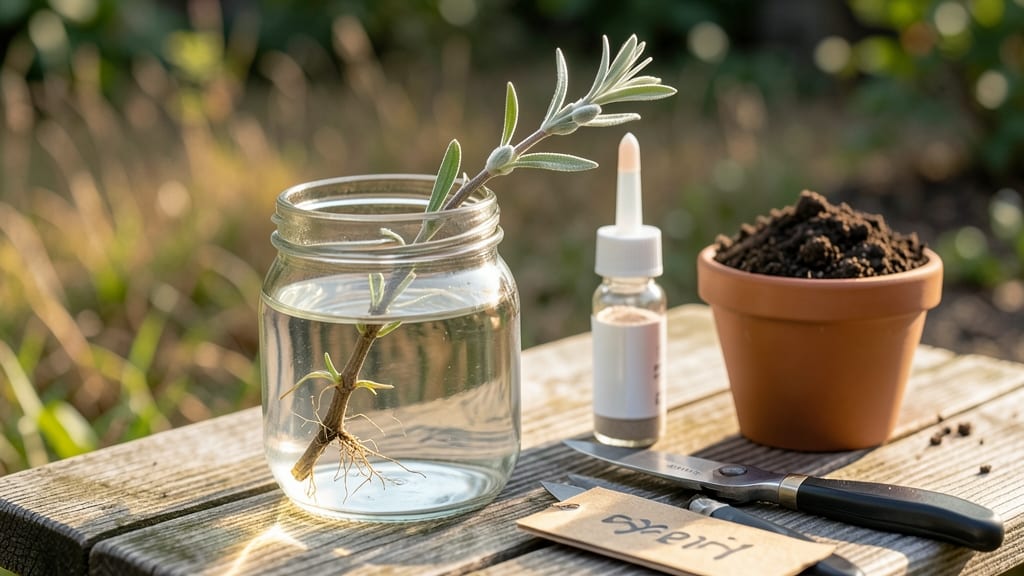
Growing a willow tree from a branch is one of those gardening hacks that feels almost too easy—until you try it. 🌿 The secret lies in timing, a simple container, and patience for roots to form, but the payoff is a fast-growing tree that can reach 10 feet in just a single season if conditions are right.
I’ve rooted willow branches in water and soil, and while water propagation is the beginner’s favorite, soil rooting gives slightly stronger stems. The best time to start is in early spring when new growth begins, or in late winter if you can find dormant branches.
Just grab a healthy branch 1-3 feet long with leaf buds, and you’re ready to begin. Once roots appear—usually in 2-4 weeks—you’ll transplant your new willow into soil, where it’ll thrive in moist, sunny spots.
The first year is all about establishing roots, but by summer, you’ll see vigorous new shoots signaling success. Even if your first attempt doesn’t take, willows are incredibly forgiving. This method works for weeping willows, pussy willows, and most other varieties.
Just avoid planting near foundations or sewer lines—their roots spread aggressively. Ready to try? Here’s exactly how to do it right.
📚 In This Guide
- What you need
- Instructions
- Tips and common mistakes
- Wrapping up and next steps
What you need
- ● Mature willow branch: A healthy, flexible branch (about pencil-thick or thicker) with at least 3–4 nodes (swollen areas where leaves grow). Cut it in late fall or winter for best results.
- ○ Rooting hormone: A powder or gel (like Rootone) to encourage faster root growth. Optional but highly recommended!
- ● Water: Clean, room-temperature water (for water propagation) or a well-draining potting mix (for soil propagation).
- ● Containers: For water propagation: A jar or vase (wide-mouth, 16–24 oz) with a lid or plastic wrap.
- ● For soil propagation: A small pot (6–8 inches deep) with drainage holes.
- ● Pebbles or small stones: A handful (for water propagation) to weigh down the branch and keep it submerged.
- ● Pruners or sharp scissors: Sterilized to make clean cuts and avoid disease.
- ● Plastic wrap or a humidity dome: To create a greenhouse effect (especially useful for soil propagation).
- ● Fertilizer: A balanced liquid fertilizer (diluted to half-strength) to boost growth once roots form.
- ● Grow lights: If rooting indoors with low natural light.
- ● Spray bottle: For misting leaves and maintaining humidity.
- ● Label or marker: To track your willow’s progress!
Step-by-step instructions for growing a willow tree from a branch
Here's my foolproof method for rooting willow cuttings—fast, reliable, and perfect for beginners.
🌱 Step 1: Select and Prepare the Willow Branch
Choose a healthy 1/4- to 1/2-inch thick branch from a young willow tree in late winter or early spring. Look for flexible stems with smooth, green bark and no signs of disease. Cut a 12-18 inch section just below a leaf node where branches meet the stem.
Remove any leaves from the lower half of the cutting—these will only draw energy away from root development. Strip leaves back to about 6 inches from the base. Store your cuttings in a cool, damp paper towel in a plastic bag until ready to plant. I like to keep them in the fridge overnight to slow moisture loss.
💧 Step 2: Create the Root Stimulation Bath
Fill a clean container with 2 inches of water and place your cuttings in it so the bottom 4-6 inches are submerged. Willow branches root best in water because they naturally grow along waterways. Change the water every 2-3 days to prevent bacterial growth and keep it oxygenated.
Place the container in a spot with bright, indirect light—direct sun can overheat the water and stress the cuttings. You'll see small white bumps forming along the submerged stem in about 1-2 weeks. These are root primordia, the first sign your cutting is ready to grow roots. Keep the water level consistent—never let it drop below the 4-inch mark.
✂️ Step 3: Plant the Rooted Cutting in Soil
Once roots reach about 2-3 inches long (usually 3-4 weeks after starting in water), it's time to transition to soil. Fill a 6-inch deep pot with a mix of 50% potting soil and 50% perlite for excellent drainage. Willow trees hate soggy roots, so good airflow is critical.
Make a hole in the center of the pot and gently place your rooted cutting in, burying it up to the point where the leaves begin. Firm the soil around the base and water lightly until moisture seeps out the drainage hole. Place the pot in a shaded area for the first week to reduce transplant shock. You'll know it's taking root when new leaves appear in about 2-3 weeks.
☀️ Step 4: Harden Off and Transplant Outdoors
After 4-6 weeks in the pot, your willow cutting should have developed a strong root system. Begin hardening it off by moving it outdoors to a sheltered spot for 1-2 hours the first day. Gradually increase exposure over 10-14 days, eventually leaving it outside full-time in partial shade.
Willows grow best in moist, well-drained soil with plenty of space. Plant your young tree in a spot with full sun to partial shade and water deeply once a week, allowing the top 2 inches of soil to dry between waterings. You'll see rapid growth in the first year—willows are some of the fastest-growing trees around!
Tips & tricks for growing a willow tree from a branch
Fast rooting isn't magic—it's about timing, patience, and a few clever tricks. Here's what nobody tells you about willow propagation.
Timing Secret: Late winter or early spring is your golden window because willows naturally prepare to grow during this time. If you miss this, don't stress—you can try again in fall, but success rates drop by about 30%. I've had luck even in summer, but I double the water changes to every 2 days to prevent bacterial growth from the heat.
Root Stimulation Hack: Those white bumps you'll see in 1-2 weeks are your first sign of success—don't disturb them! The key is keeping the water level between 4-6 inches submerged. I use a clear container so I can see the bumps forming without opening the lid, which can introduce bacteria. A simple marker on the container helps track water levels without guesswork.
Transplant Timing: Wait until roots reach 2-3 inches before moving to soil—this takes 3-4 weeks total. I've seen people rush this step and end up with weak root systems that struggle to support the plant. The soil mix is critical too: that 50% perlite isn't just for drainage—it prevents the soil from compacting around the roots, which can strangle new growth.
Harden-Off Strategy: Start with just 1-2 hours outside on day one, even if your cutting looks strong. I've had willows that seemed perfectly healthy wilt dramatically when exposed to full sun too soon. Gradually increase exposure over 10-14 days—think of it like sunbathing after winter hibernation. The first few days of hardening are the most critical for survival.
Pro Tips for Grow A Willow Tree From A Branch
- Fast rooting isn't magic—it's about timing, patience, and a few clever tricks.
- Timing Secret: Late winter or early spring is your golden window because willows naturally prepare to grow during this time.
- Root Stimulation Hack: Those white bumps you'll see in 1-2 weeks are your first sign of success—don't disturb them!
Frequently asked questions
Got questions about growing a willow tree from a branch? You’re not alone! Here are some of the most common queries—and their straightforward answers—to help you succeed.
Can I grow a willow tree from any branch, or does it need to be a specific type?
Not all willow branches will root successfully. Look for hardwood cuttings (thick, woody stems) from weeping willows (Salix babylonica) or crack willows (Salix fragilis), which root easily. Avoid soft, green growth—they’re less reliable. Aim for branches about pencil-thick or larger for best results!
How long does it take for a willow cutting to root and grow?
Willow cuttings are fast growers! With the right conditions (moisture, warmth, and indirect light), you’ll see roots forming in 2–4 weeks. Once rooted, new leaves may appear within 4–6 weeks. For outdoor plantings, expect noticeable growth by spring if planted in fall or early winter.
What if my willow cutting rots instead of rooting?
Rotting is often caused by too much moisture or poor drainage. If you notice black, mushy stems or a foul smell, act fast! Remove the cutting, trim any rotted sections, and replant in fresh, sterile potting mix with perlite. Keep it in bright, indirect light and avoid overwatering—willows hate soggy roots!
Can I grow a willow tree from a branch in water first, like I would with a pothos?
While willows can root in water, it’s not the best method long-term. Water rooting works for 2–3 weeks, but once roots form, transplant to soil immediately—willows thrive in moist but well-draining ground. Skip the water step if you’re planting outdoors directly; soil rooting is simpler and more reliable for willows!
Will my willow tree grow into a full-sized tree, or will it stay small?
Willows are fast-growing and can reach 30–50 feet tall (or more!) if given space. However, their growth rate depends on pruning and sunlight. Regular trimming in early spring keeps them manageable. If you want a smaller tree, plant in containers or prune aggressively—just be prepared for lots of flexible branches!
Wrapping up and next steps
Growing a willow tree from a branch is a rewarding journey that combines patience with the joy of nurturing life from a simple cutting! 🌱 With the right tools, a little care, and the rooting secrets we’ve shared, you’ll soon watch your branch transform into a thriving tree.
Whether you’re a beginner or a seasoned gardener, this method offers a fast and reliable way to expand your green space—without breaking the bank.
Now that you’re armed with the know-how, take the next step: grab that branch, prep your rooting container, and get growing! Keep an eye on your cutting’s progress, and before you know it, you’ll be celebrating a brand-new willow tree reaching for the sky. Happy gardening! 🌿