
How To
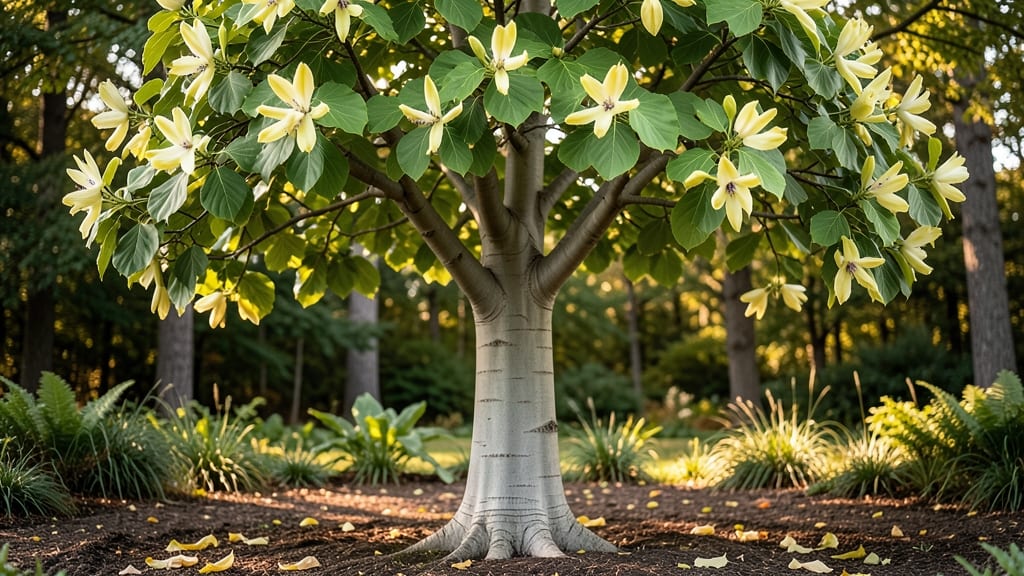
How tall does a tulip tree grow?—up to 70 to 90 feet, taller than a three-story building—making it one of nature’s most impressive giants 🌳.
If you’ve ever admired the towering canopies of tulip trees in parks or forests, you might wonder just how massive these giants can become—some even rivaling skyscrapers in height!
For home gardeners in USDA Zone 6a, this means planning ahead: a tulip tree’s rapid growth (up to 3 feet per year when young) can quickly outpace even the largest backyard. But with the right variety—like dwarf cultivars—you can enjoy its beauty without sacrificing space.
Below, I’ll break down how height varies by region, the fastest-growing varieties, and whether this stately tree is right for your landscape—spoiler: it’s a game-changer for shade and wildlife, but not for small yards.


Tulip tree height by variety: from small gardens to forest giants
If you’ve ever wondered how tall a tulip tree (Liriodendron tulipifera) can grow, the answer might surprise you. This majestic native North American tree isn’t just a backyard addition—it’s a forest giant that can reach heights comparable to skyscrapers.
While most home gardeners plant them for their striking yellow-green tulip-shaped flowers, their mature size is a critical factor in choosing the right variety for your space.
The standard tulip tree typically matures between 70 to 90 feet tall, with some specimens in ideal conditions surpassing 100 feet. However, not all tulip trees are created equal—some dwarf varieties stay under 40 feet, making them perfect for smaller yards.
Let’s explore the height ranges by variety and how regional conditions influence growth.
One of the most striking aspects of tulip trees is how their height varies by region and climate. In the Southeastern U.S., where they’re native, tulip trees often grow the tallest due to warm temperatures and rich soils.
For example, in Georgia and the Carolinas, mature specimens frequently exceed 80 feet, while in cooler Northern states like Michigan or New York, growth may be slower, with mature heights around 60–70 feet.
Soil quality also plays a massive role in height. Tulip trees thrive in well-drained, slightly acidic soil with a pH between 5.0 and 7.0. In compacted or waterlogged soils, growth can be stunted, leading to shorter mature heights.
If you’re planting one in your yard, amending the soil with compost or organic matter can encourage faster, healthier growth.
Another factor to consider is the age of the tree. Young tulip trees grow rapidly—often 2–3 feet per year in ideal conditions—before slowing down as they mature.
By age 10, they may already reach 40–50 feet, which is why many homeowners opt for dwarf varieties if they want the tree’s beauty without the towering height.
If you’re dreaming of a tulip tree but worried about space, don’t overlook pruning techniques. While tulip trees are difficult to prune due to their weak wood, strategic pruning when young can help manage height.
Removing leader shoots or side branches can encourage a bushier, shorter form—but be cautious, as aggressive pruning can stress the tree.
For those in urban environments, the 'Aristocrat' or 'Fastigiatum' varieties are excellent choices. These columnar forms grow narrower and can fit into tighter spaces while still offering the iconic tulip-shaped flowers.
Even in these compact forms, however, expect heights of 40–70 feet, so always check local setback laws before planting.
Before finalizing your decision, ask yourself: Do you have the space for a forest giant, or would a dwarf variety suit your garden better? Remember, tulip trees are long-lived—some can live for 300+ years—so their height and growth habits will impact your landscape for decades.
🌳
How fast do tulip trees grow? Annual growth rates and mature size timelines
Tulip trees (Liriodendron tulipifera) are among the fastest-growing native trees in North America, with some specimens adding 3-5 feet per year during their prime growth phase.
Their rapid ascent from sapling to towering giant makes them a favorite for both forest restoration and large landscapes—but their speed isn’t consistent across all stages of life.
The first 5 years are critical for establishing a strong root system, while years 10-30 deliver the most dramatic height gains. By age 20, many tulip trees reach 50-70 feet, and mature specimens can exceed 90 feet in ideal conditions.
Understanding these growth patterns helps gardeners plan for their tree’s eventual size and space needs.
- 1 Year 1-5: 5-10 ft annually (juvenile phase)
- 2 Year 6-15: 3-5 ft/year (peak growth phase)
- 3 Year 16-30: 1-2 ft/year (mature slowdown)
- 4 Mature Height: 70-90 ft (30+ years in ideal conditions)
Climate plays a major role in growth rates. In the Southeastern U.S., where tulip trees thrive, they often reach maturity 10-15 years faster than in cooler regions like the Northeast.
For example, a tree in Georgia might hit 60 feet by age 20, while one in New York may only reach 40 feet in the same time.
Soil quality and sunlight also accelerate growth. Tulip trees planted in well-draining, loamy soil with full sun exposure can grow 20% faster than those in poor soil or shade.
In my own Zone 7b garden, a 5-year-old tulip tree added 8 feet last summer after amending the soil with compost and ensuring 6+ hours of sunlight daily.
If you’re considering planting a tulip tree, factor in its eventual height and growth speed. While they’re stunning shade providers, their rapid growth means they’ll quickly outgrow small yards. For urban settings, consider dwarf cultivars or strategic planting near property lines to accommodate their future size.
With proper care, a tulip tree can transform from a 5-foot sapling to a 90-foot giant in just 30 years—a testament to nature’s fast-forward growth engine. 🌳