
How To
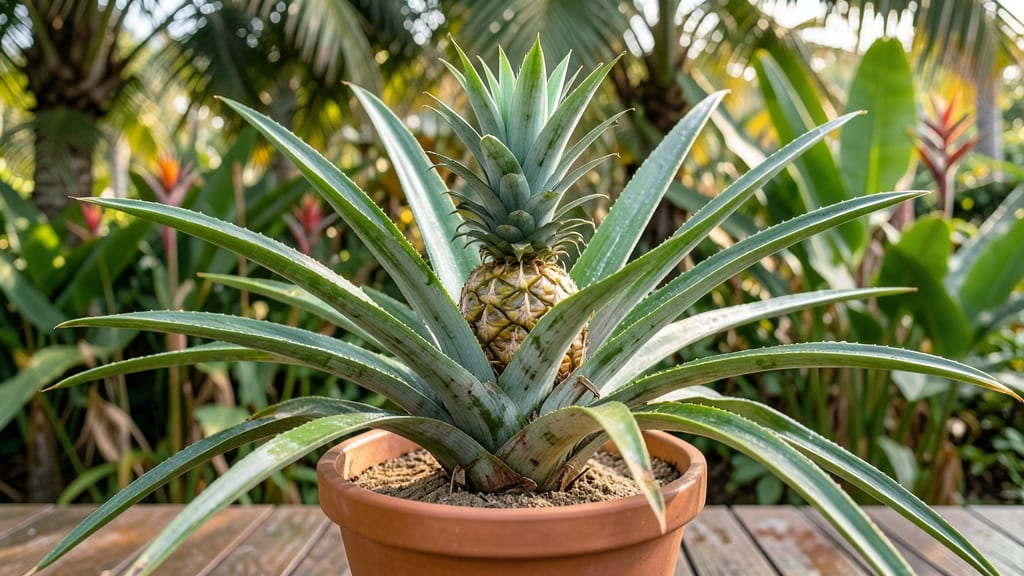
A pineapple tree grows how tall does a pineapple tree grow between 3 and 5 feet tall at maturity, though some varieties can stretch toward 10 feet in ideal tropical conditions. 🍍
Imagine harvesting your own tropical pineapple—juicy, sweet, and straight from your backyard—but first, you need to know how much space this exotic plant will demand. Pineapple trees can range from compact container plants to towering giants, and understanding their growth habits is key to successful cultivation.
In containers, most pineapples stay between 2 and 4 feet, making them perfect for patios or balconies. When planted in the ground, they spread wider than they grow tall, with standard varieties reaching 5 to 8 feet over time.
The key to controlling their height lies in choosing the right variety and providing proper care.
Below, I’ll break down how to manage their size, whether you’re growing them in pots or in your garden, and the simple care tips that keep them thriving—so you can enjoy that sweet harvest without the space struggle.


Pineapple tree height by growing conditions: container vs. ground planting
Pineapple plants (Ananas comosus) are surprisingly adaptable, but their height varies dramatically based on growing conditions. In tropical climates with ideal care, they can reach 8-10 feet in the ground, while container-grown plants often stay between 2-4 feet.
The key difference lies in root space, sunlight exposure, and variety selection—all factors I’ll break down for you.
For container growers, dwarf varieties like 'Sugarloaf' or 'Queen' are perfect, rarely exceeding 3-4 feet with proper pruning. Meanwhile, standard varieties in the ground can develop longer flowering stalks (up to 6 feet) that add to the plant’s overall height.
Your growing method directly impacts both space needs and fruit production potential.
When growing pineapples in containers, root restriction naturally limits height. A 5-gallon pot will keep dwarf varieties under 3 feet, while a 20-gallon container allows standard types to reach 5-6 feet.
The trade-off? Container plants may produce smaller fruit due to limited nutrient access, but they’re ideal for patios or balconies in USDA Zones 10-12.
In-ground pineapples, however, have unlimited upward growth. Without pruning, a mature 'Smooth Cayenne' can shoot up to 8 feet with a 6-foot flowering stalk, creating a dramatic tropical focal point.
The leaves alone can span 3-4 feet wide, so space them 4-5 feet apart in warm climates to prevent overcrowding.
One often-overlooked factor is the flowering stalk. While the plant’s base may stay compact, this single upright spike can add 3-5 feet of height overnight.
If you’re growing near ceilings or power lines, plan to prune stalks early or choose self-pollinating dwarf varieties like 'Mini Sugar' to minimize vertical growth.
For urban gardeners, I recommend starting with container-friendly varieties like 'Sugarloaf' (2-3 ft) or 'Queen' (3-4 ft). These thrive in well-draining pots with cactus/succulent mix and benefit from monthly balanced fertilizer (10-10-10) during growing seasons. Just remember: larger containers = taller plants, but also heavier pots to move!
In ground-planted scenarios, height control becomes easier with regular pruning. After harvest, cut back dead leaves to encourage bushier growth, and remove flowering stalks if you want to maintain a 3-4 foot shrub-like appearance.
Ground plants also benefit from mulching to retain moisture and prevent root-bound stress, which can stunt growth.
If you’re in a cooler climate (Zones 9-11), expect slower growth and potentially shorter plants (3-5 ft max) unless you provide winter protection. Use black plastic mulch or straw wraps to insulate roots during light freezes (28-32°F).
Even then, container plants are safer to move indoors during winter.
Pro tip: Monitor your pineapple’s growth rate—healthy plants add 6-12 inches per year. If growth stalls, check for nutrient deficiencies (yellow leaves = nitrogen), pests (mealybugs love pineapples), or poor drainage.
A pH of 4.5-6.5 keeps roots happy, and regular foliar sprays with seaweed extract can boost vigor in container plants.
Whether you dream of a 10-foot tropical giant or a
How to control pineapple tree height: pruning, varieties, and growth hacks
Pineapple plants (Ananas comosus) can grow into impressive tropical giants, but with the right strategies, you can keep them at a manageable height—even in containers. The key lies in selecting the right variety and mastering pruning techniques that encourage bushier growth rather than vertical sprawl.
For example, the 'Sugarloaf' variety stays compact at just 2-3 feet tall, while standard types can reach 5-8 feet if left unchecked.
If you're growing pineapples in containers, height control becomes even more critical. Root-bound plants grow taller and leggier as they search for nutrients, so regular repotting and pruning are essential.
I’ve found that pinching back the top leaves when they reach 12-18 inches encourages lateral growth, creating a fuller, bushier plant that stays shorter and produces more fruit.
Here’s how to manage pineapple tree height effectively, from variety selection to seasonal care:
- Choose compact varieties: Opt for 'Sugarloaf' (2-3 ft) or 'Queen' (3-4 ft) for containers. Avoid standard varieties like 'Smooth Cayenne' if space is limited.
- Prune for bushiness: Trim the top 2-3 leaves when the plant hits 18 inches to encourage side shoots. Use sterilized pruners to avoid disease.
- Repot annually: Move container-grown plants to 1-gallon pots by year 2 to prevent root crowding, which stunts growth. Use well-draining soil with perlite.
- Fertilize lightly: Use a balanced 10-10-10 fertilizer every 6-8 weeks in spring/summer. Over-fertilizing promotes rapid vertical growth.
- Monitor sunlight: Provide 6+ hours of direct sun daily, but avoid scorching in hot climates. Partial shade in summer can slow excessive height growth.
Seasonal care plays a huge role in height management. During winter, reduce watering and fertilizing to slow growth, while spring is the best time to prune and repot.
I’ve noticed that pineapples grown in cooler climates (USDA Zone 8-10) naturally stay shorter than those in tropical regions, where they can bolt upward quickly.
For outdoor gardens, mulch around the base with organic matter to retain moisture and encourage root spread, which stabilizes the plant and reduces leggy growth. If your pineapple starts to lean or stretch, it’s likely not getting enough light—move it to a sunnier spot immediately.
With these growth hacks, you can enjoy a tropical pineapple plant that fits your space—whether it’s a 3-foot container centerpiece or a controlled-height garden specimen. The key is consistency: prune regularly, choose the right variety, and give your plant the ideal growing conditions.
Your efforts will pay off with a healthier, shorter, and fruit-bearing pineapple tree! 🌱