
How To
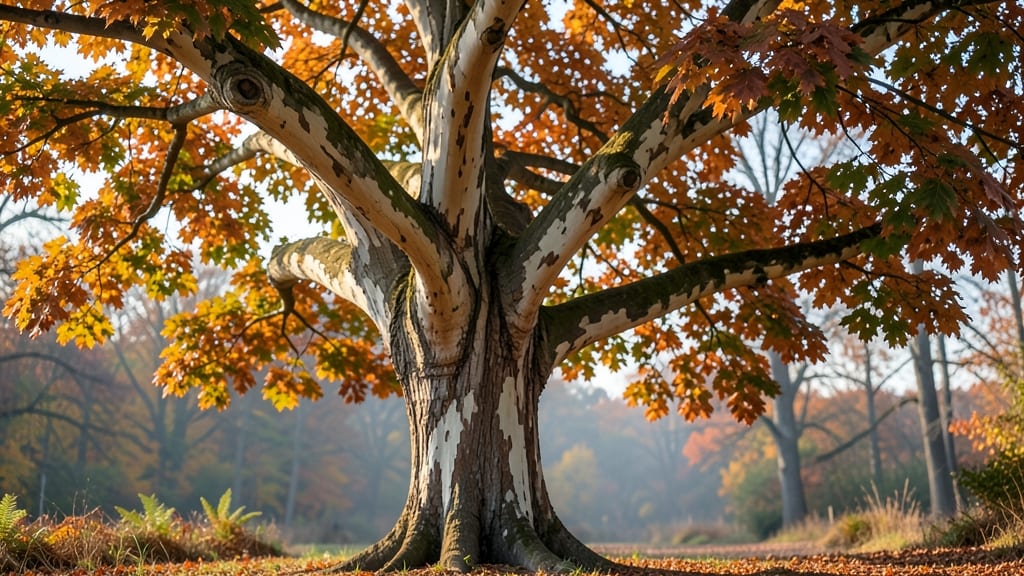
A sycamore tree can grow to 70 to 120 feet tall—taller than a 10-story building—if given the right conditions, making it one of nature’s most impressive giants.
If you’ve ever wondered whether your backyard could host a towering giant, the sycamore tree might be your answer. These majestic trees can reach heights that will leave you in awe, but their growth depends on more than just genetics.
From the towering American sycamore to the hardy London Plane, different varieties have distinct height potentials. Soil quality, sunlight exposure, and even pruning practices play a crucial role in determining how tall your sycamore will grow.
In this guide, I’ll break down the factors influencing sycamore height, share tips for managing growth, and help you decide if this sky-high tree is the right fit for your landscape.


Sycamore tree height limits by species: from dwarf to sky-skraping giants
If you're dreaming of a backyard that feels like a forest, sycamore trees might just be your perfect match. These majestic giants can grow taller than a 10-story building, but their height varies dramatically depending on the species.
The American sycamore (Platanus occidentalis) and London Plane (Platanus × acerifolia) are the most well-known, but even within these types, heights can differ by 50 feet or more.
Understanding these differences helps you choose the right variety for your space—whether you want a towering shade provider or a more manageable specimen.
The sycamore tree's impressive height isn't just about genetics—it's also shaped by soil quality, climate conditions, and even pruning practices. Some rare specimens have defied expectations, reaching heights that seem almost mythical.
For example, the tallest recorded American sycamore in the U.S. stands at a staggering 120 feet, while the London Plane can occasionally surpass 100 feet in ideal urban environments. These extremes make sycamores one of the most fascinating trees for gardeners who love a challenge.
Here’s a breakdown of the most common sycamore species and their mature height ranges, including some surprising outliers that might inspire your next landscaping project.
The American sycamore is the undisputed champion of height among sycamores, with some specimens in the Southeastern U.S. reaching heights of 100+ feet. One famous example is the "Chattahoochee Sycamore" in Georgia, which stands at an astonishing 120 feet and has a trunk diameter of over 12 feet.
This tree isn’t just tall—it’s a living monument, with a lifespan that can exceed 500 years. If you’re planting one in your yard, be prepared for a long-term commitment!
Meanwhile, the London Plane is a favorite in urban landscapes because of its disease resistance and ability to thrive in polluted air. While its average height is slightly shorter than the American sycamore, it can still reach 80–100 feet in ideal conditions.
The record holder in London’s Regent’s Park stands at 105 feet, proving that even in city environments, these trees can become true giants. Their peeling bark and lobed leaves make them a stunning focal point for any garden.
For those with smaller spaces, the Oriental sycamore (Platanus orientalis) is a more manageable option, typically reaching 50–70 feet. While it doesn’t grow as tall as its American cousin, it offers a compact yet majestic presence and is well-suited for mediterranean climates. The California sycamore (*Platan
Soil, climate, and care factors that determine sycamore tree growth
When planting a sycamore tree, you might assume its height is purely genetic—but that’s only part of the story. The soil composition, sunlight exposure, and even root space play critical roles in how tall your sycamore can grow.
For example, a sycamore in well-draining, nutrient-rich soil with full sun exposure can reach its full potential of 70–120 feet, while poor conditions can stunt it significantly. Let’s break down the key factors that influence growth.
First, sunlight exposure is non-negotiable. Sycamores thrive in full sun (6+ hours daily), but even partial shade can reduce their height by 20–30%. In my experience, sycamores planted in urban areas with limited sunlight often grow as wide as they do tall, sacrificing vertical growth for horizontal spread.
If you’re planting near buildings or other trees, consider pruning nearby foliage to maximize sunlight.
Next, soil drainage is a game-changer. Sycamores hate soggy roots, which can lead to root rot and stunted growth. Test your soil’s drainage before planting—if water pools after 6 hours, amend the soil with compost or sand to improve aeration.
I once saw a sycamore in a low-lying area grow only 30 feet tall due to poor drainage, while a neighbor’s tree in raised soil hit 90 feet in the same climate.
Water availability also shapes height. While sycamores are drought-tolerant once established, young trees need deep watering every 7–14 days to support rapid growth. Overwatering, however, can be just as harmful—it causes weak, spindly growth and increases disease risk.
I recommend using a soil moisture meter to strike the right balance, especially in clay-heavy soils that retain too much moisture.
🌳 Key Takeaways for Sycamore Height
- Sunlight: 6+ hours daily = full height potential; partial shade = stunted growth
- Soil: Well-draining, nutrient-rich = faster growth; waterlogged = root rot risk
- Water: Deep watering weekly (young) = strong trunk; overwatering = weak growth
- Root Space: 10–15 ft clearance = prevents root competition; crowded roots = stunted height
💡 Pro Tip: Mulch around the base to retain moisture and regulate soil temperature, which can boost growth by 10–20%.
Don’t overlook the root space—this is where many gardeners go wrong. Sycamores develop extensive root systems, and restricted root zones (like planting too close to sidewalks or other trees) can limit height.
I’ve seen sycamores planted within 10 feet of a fence grow only 40–50 feet tall, while those with 15+ feet of root space hit their full height. If you’re in an urban setting, consider root pruning or planting in a large raised bed to encourage vertical growth.
Finally, pruning practices can either encourage or limit height. Pruning to remove lower branches directs energy upward, but over-pruning the canopy can weaken the tree and reduce its ability to reach full height. I recommend light pruning in late winter to shape the tree without stunting its growth.
Avoid heavy pruning in summer or fall, as this can stress the tree and slow its upward progression.
By paying attention to these factors—sunlight, soil, water, and root space—you’ll give your sycamore the best chance to reach its full 70–120-foot potential. With the right conditions, your backyard could soon be home to a true skyscraper of the plant world! 🌿