
How To
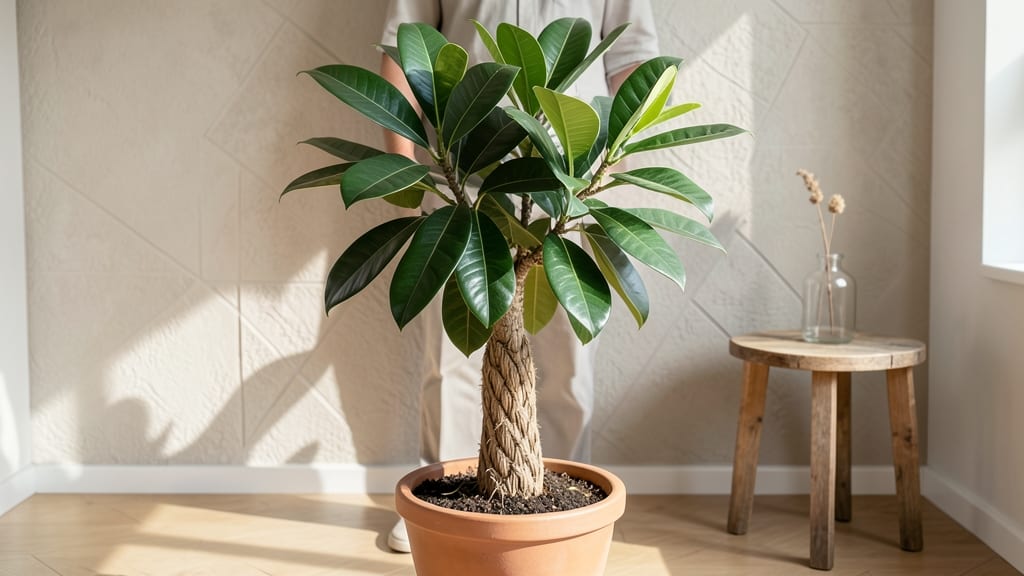
A money tree can grow up to 10 feet tall indoors with the right care, though most stay between 3 and 6 feet—think ceiling height, not skyscraper territory. 💰
Wondering if your money tree (Pachira aquatica) will soon reach the ceiling? The height of this beloved houseplant depends on growing conditions—and yes, it can become a small tree with proper care!
Indoors, light levels and pot size are the biggest factors. Too little light stunts growth, while a cramped pot forces roots to circle, slowing vertical expansion. Pruning is your secret weapon: trim back leggy stems in spring to encourage bushier, more controlled growth.
Outdoors in tropical zones, these trees can soar past 15 feet, but that’s rare for most of us. Below, I break down how to keep yours at your desired height—whether that’s a countertop statement piece or a towering indoor jungle.


Money tree height limits: indoor growth potential explained
If you're dreaming of a towering money tree (Pachira aquatica) that rivals your ceiling, you're not alone! With ideal care, this tropical beauty can grow between 3 to 10 feet indoors—but its final height depends entirely on how you nurture it.
Unlike its outdoor counterparts, indoor money trees grow slower due to limited space and controlled environments. Let's break down what influences their height and how you can shape their growth to match your space.
The average indoor money tree reaches 6 to 8 feet over 5-10 years when given consistent care. However, with proper pruning and container limits, you can keep it as short as 3 feet or encourage it to grow taller if you're aiming for a statement plant.
The key lies in balancing light, pot size, and pruning techniques—each factor directly impacts how tall your money tree will become.
Your money tree's light exposure is the #1 factor determining its height. Place it near an east or north-facing window for bright indirect light, which encourages steady growth without scorching leaves. Direct sunlight can stunt growth or cause leaf burn, while low light slows it down dramatically.
I’ve seen money trees in dim offices grow only 2-3 feet tall in 5 years, while those near sunny windows can hit 6 feet in the same time.
Pot size plays a surprising role in height control. Money trees grow taller when root-bound, but they also become stressed. If you want a compact money tree, choose a pot that’s only 1-2 inches larger than its current root ball.
For a taller specimen, opt for a deep, wide pot (at least 12 inches wide) to accommodate root expansion. Pro tip: Repot in spring to minimize shock and encourage upward growth.
Pruning isn’t just for shaping—it’s a growth hack for money trees. To keep your plant under 5 feet, prune the top 1/3 of new growth in spring or summer. This encourages bushier growth and prevents it from shooting up vertically.
For a taller money tree, avoid heavy pruning and let it grow naturally. Just be prepared to support the trunk with a stake if it tops 6 feet.
Fertilizer makes or breaks your money tree’s height potential. A balanced 10-10-10 fertilizer applied every 4-6 weeks during spring and summer fuels rapid growth. Skip fertilizing in fall and winter, as the plant enters dormancy.
Over-fertilizing can lead to salt buildup, which stunts growth—always flush the soil with water after feeding.
Humidity levels often get overlooked, but they’re critical for tall money trees. These tropical plants thrive in 50-60% humidity. In dry indoor air (common in homes with HVAC systems), growth slows dramatically.
To boost height, mist leaves 2-3 times weekly or place the pot on a pebble tray with water. I’ve noticed money trees in humid bathrooms grow 20% faster than those in dry living rooms.
One common misconception is that money trees grow vertically by nature. In reality, they’re bushy shrubs that only grow tall when given the right conditions. If your money tree is leaning or lopsided, it’s likely reaching for light.
Rotate the pot quarter-turns every 2 weeks to ensure even growth. This small habit can prevent your plant from becoming a one-sided tower.
For those aiming for a miniature money tree (like bonsai), combine small pots, heavy pruning, and low-light conditions. These plants can stay under 3 feet indefinitely with consistent care. On the flip side, if you’re after a floor-filling statement plant, prioritize
Outdoor money tree growth: can it surpass 15 feet?
If you're dreaming of a money tree (Pachira aquatica) that towers over your patio like a small tropical tree, outdoor cultivation is your best bet! Unlike its indoor counterparts, an outdoor money tree can indeed exceed 15 feet with the right conditions—think USDA Zones 10-12 and consistent warmth.
The key lies in mimicking its native South American rainforest habitat, where these trees thrive as multi-trunked giants.
Your money tree’s height potential outdoors hinges on two critical factors: climate suitability and seasonal care adjustments. In frost-free zones, expect 3-5 feet of growth per year under ideal conditions, while colder climates will stunt its progress unless you bring it indoors during winter.
Let’s explore how to maximize its height while keeping it healthy year-round.
| Growth Factor | Indoor Potential | Outdoor Potential | Key Difference |
|---|---|---|---|
| Climate Zone | Zones 9-11 (with winter care) | Zones 10-12 (year-round) | Outdoor trees grow 2x faster in frost-free zones. |
| Mature Height | 6-10 feet (potted) | 15-25 feet (in-ground) | In-ground roots enable unrestrained vertical growth. |
| Growth Rate | 1-2 feet/year | 3-5 feet/year | Outdoor trees bolt upward with abundant sunlight. |
| Pruning Needs | Regular to control height | Minimal (shape naturally) | Outdoor trees develop thicker trunks with less intervention. |
| Seasonal Care | Winter dormancy required | Year-round active growth | Outdoor trees never slow down in warm climates. |
To push your outdoor money tree toward 15+ feet, start by planting it in well-draining, slightly acidic soil (pH 6.0-6.5) enriched with organic matter. Choose a location with partial shade—direct sun can scorch its broad leaves, while too much shade stunts growth.
Mulch the base with 3-4 inches of wood chips to retain moisture and mimic its rainforest roots.
During the growing season (spring-fall), fertilize monthly with a balanced 10-10-10 formula to fuel rapid height gains. Avoid heavy nitrogen, which promotes leafy growth over vertical expansion. Water deeply 2-3 times per week during dry spells, ensuring the soil stays consistently moist but not soggy.
A drip irrigation system works wonders for maintaining even moisture.
Winter care is critical if you’re in a marginal zone (Zone 9-10). Before temperatures dip below 40°F, move your money tree indoors or wrap its pot in bubble wrap to insulate roots.
Reduce watering to once every 2-3 weeks and avoid fertilizing until spring. With these adjustments, your tree can resume growth at full speed once warm weather returns.
For the bold gardener, consider staking young trees during their first outdoor year to support their multi-trunk structure. As they mature, the trunks will thicken naturally, creating that iconic "braided" look associated with money trees.
Just remember: patience is key—outdoor specimens take 5-7 years to reach their full height potential.