
How To
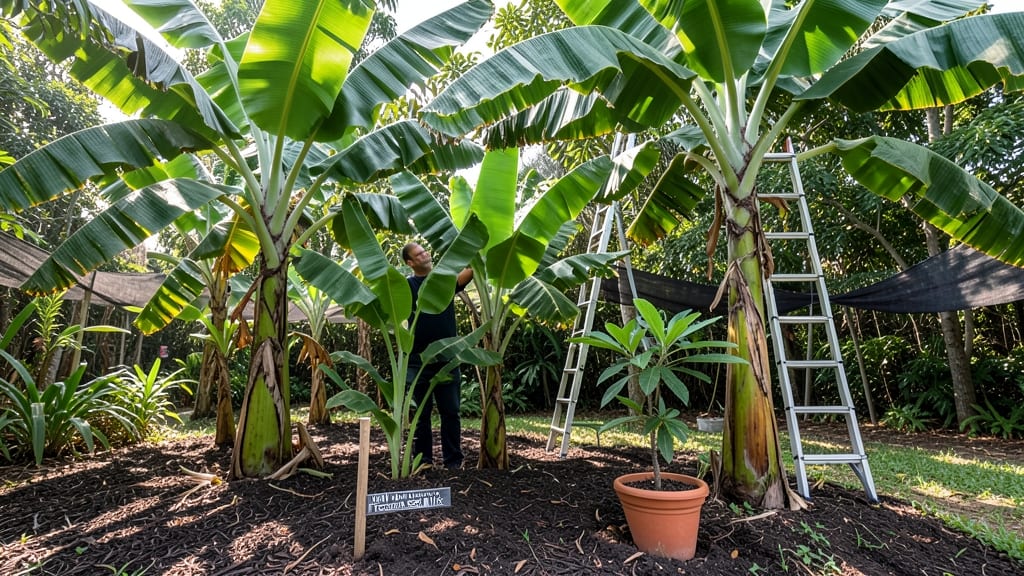
A banana tree can grow between 10 and 30 feet tall, depending on the variety and growing conditions—so yes, your backyard could soon be home to a jungle giant 🍌.
Imagine a towering jungle giant reaching heights of over 20 feet—this is the reality of some banana trees, but not all varieties grow this large.
Understanding your banana tree’s potential height is key to proper planting, pruning, and even harvesting success.
From dwarf varieties that stay under 12 feet to commercial giants soaring past 25 feet, we’ll break down what to expect, how to maximize growth, and how to manage space in your garden.


Banana tree height by variety: from dwarf to giant species
If you’ve ever wondered how tall your banana tree can grow, the answer depends entirely on the variety you’re cultivating. Some banana trees stay compact enough for containers, while others become towering giants that dominate your landscape.
For example, the Dwarf Cavendish might reach just 8-12 feet, while the Gros Michel can soar to 30+ feet in ideal conditions. Understanding these differences helps you choose the right variety for your space and climate.
Banana trees are often categorized into three height groups: dwarf (under 12 feet), semi-dwarf (12-18 feet), and standard (20+ feet). The height you achieve also depends on factors like sunlight exposure, soil quality, and watering practices.
In tropical climates, banana trees grow faster and taller, while cooler zones may limit their height—especially in containers.
Here’s a quick breakdown of popular varieties and their mature heights to help you visualize their potential in your garden or patio:
For gardeners in USDA Zones 10-12, banana trees can reach their full potential outdoors year-round. In cooler zones, even dwarf varieties may struggle to exceed 6-8 feet unless grown in large containers and moved indoors during winter.
For example, my Lady Finger banana in Zone 8 stays at 10 feet when overwintered in a greenhouse.
If you’re growing banana trees in containers, expect heights to be 30-50% shorter than their outdoor counterparts. A Dwarf Cavendish in a 20-gallon pot might max out at 6-8 feet, while the same variety in the ground could hit 10-12 feet.
Root-bound conditions stunt growth, so always use well-draining soil and repot every 2-3 years.
One common misconception is that all banana trees grow into jungle giants. In reality, 90% of home gardeners grow dwarf or semi-dwarf varieties, which are perfect for patios and small yards. The key to managing height lies in pruning and support structures.
For instance, staking a Blue Java can prevent it from toppling over while still allowing it to reach 15+ feet.
For those in urban environments, varieties like the Sugar Banana (10-15 ft) are ideal because they fit within most city height restrictions. Meanwhile, tropical enthusiasts with space can cultivate Gros Michel or wild banana varieties, which create dramatic focal points in large gardens.
Just remember: taller varieties need more space, stronger winds can damage them, and harvesting becomes trickier at heights over 15 feet.
If you’re planning to harvest fruit, timing is everything. Dwarf varieties may produce bananas in 1-2 years, while giant types can take 3-5 years to mature. For example, my Grand Nain took 3 years to reach 18 feet and finally bear fruit.
Patience pays off—literally! The taller the tree, the more bananas it can produce, but only if given the right care.
To encourage optimal growth, focus on these three factors: sunlight (6+ hours daily), water (deep soaking 2-3 times per week), and fertilizer (high-potassium feed every 6 weeks). These practices help your banana tree reach its genetic height potential without compromising fruit quality.
Whether you’re growing a compact dwarf or a towering giant, understanding these basics ensures your tree thrives.
How to determine ideal spacing for maximum growth
Proper spacing is critical for your banana tree's height potential and overall health. Crowding stunts growth, while too much space wastes garden real estate. The right distance ensures strong stems, abundant foliage, and optimal fruit production.
For dwarf varieties like 'Dwarf Cavendish', I recommend 6-8 feet between plants, while larger types need 15-20 feet apart.
Climate plays a huge role in spacing needs. In tropical zones (USDA 10-12), banana trees grow faster and taller, so you can space them closer. In cooler microclimates, give them extra room to compensate for slower growth.
Well-draining, fertile soil also affects spacing - richer soils support larger plants that need more space.
Here’s how to space banana trees for maximum growth based on key factors:
- 1 Dwarf Varieties: 6-8 feet apart (e.g., 'Dwarf Cavendish')
- 2 Semi-Dwarf: 10-12 feet apart (e.g., 'Lady Finger')
- 3 Standard Varieties: 15-20 feet apart (e.g., 'Gros Michel')
- 4 Container Grown: Minimum 3x pot diameter apart (e.g., 3 feet for 12" pots)
- 5 Wind Exposure: Add 2-3 feet if in exposed areas
For container growing, use large pots (20+ gallons) to accommodate root growth. Place containers 3-5 feet apart to allow airflow and prevent fungal diseases. In ground plantings should have 6 feet of clearance from structures like fences or walls to prevent damage from strong winds.
I always recommend testing your soil's drainage and pH before planting. Amend heavy clay soils with compost to improve aeration. Mulch around the base with organic matter to retain moisture and regulate soil temperature. This simple step can boost growth by 20-30% in the first year.
Remember, banana trees are heavy feeders. When spacing, consider how you'll access the center plants for fertilizing and pruning. A well-spaced banana grove makes maintenance easier and lets each plant reach its full height potential without competition.