
Pruning
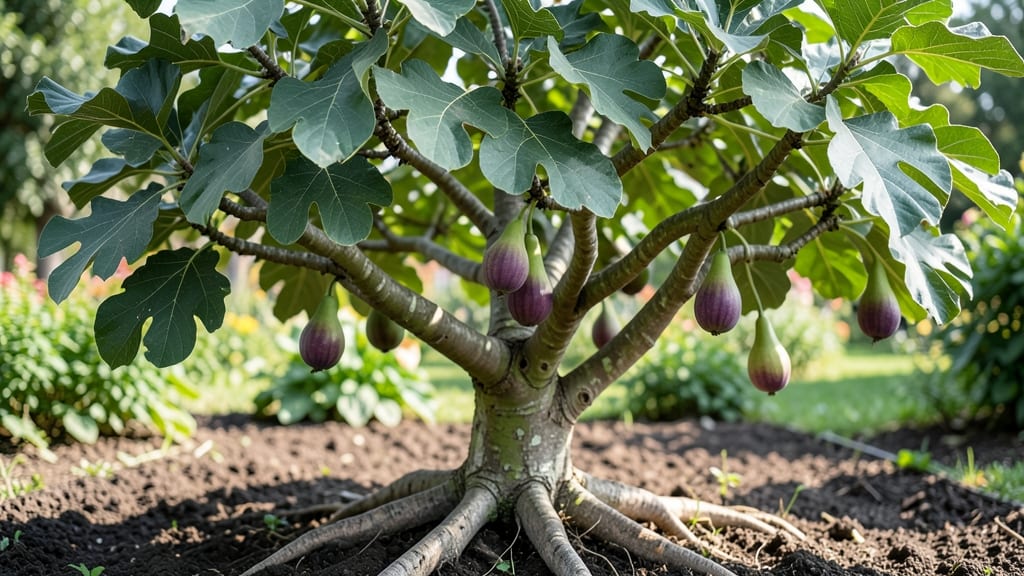
Your fig tree's shape isn't just about aesthetics—it's about creating a living work of art that feeds you year-round. 🌿 I've spent years sculpting these trees into everything from elegant espaliers to sprawling bush forms, and the secret lies in understanding their natural growth patterns while guiding them with strategic cuts.
Figs grow aggressively, sending out long, woody branches that can become unwieldy if left unchecked. The key is pruning at the right time—just after harvest—to shape without stressing the tree.
You'll end up with a canopy that's both productive and visually stunning, whether you want a formal standard tree or a relaxed, bushy form. What you'll achieve is a tree that produces heavier crops while looking intentional in your landscape.
The right shape also makes harvesting easier—no more reaching into tangled branches. Plus, properly pruned figs resist disease better and live longer. This works for both container-grown figs and in-ground plants. The principles scale from a small patio tree to a large garden specimen. Let's get shaping!
📚 In This Guide
- What you need
- Instructions
- Tips and common mistakes
- Wrapping up and next steps
What you need
- ● Pruning shears: Bypass pruners (for clean cuts on branches up to ½ inch thick). Pro tip: Choose stainless steel blades to prevent rust! 🔥
- ● Loppers: 1 pair (for branches ½ to 1½ inches thick). Look for ratcheting models for extra leverage.
- ● Pruning saw: 1 handheld saw (for thick branches 1½+ inches). A bow saw or pruning saw works best.
- ● Gloves: Heavy-duty gardening gloves (to protect against thorns and rough bark). Leather or reinforced fabric is ideal.
- ● Disinfectant: 70% isopropyl alcohol or a 10% bleach solution (to sterilize tools between cuts and prevent disease).
- ● Rope or twine: 50 feet of sturdy twine (for temporary support if shaping young trees). 🌡️
- ● Sharpie or pruning paint: 1 small bottle (to seal cuts larger than ½ inch and protect against pests).
- ● Extension pole: 6–10 feet long (for high branches—saves your neck and back!).
- ● Ladder: Sturdy aluminum or fiberglass (if your tree is tall). Safety first! 🎯
- ● Plant tie or zip ties: 10–20 pieces (to secure branches during shaping).
- ● Camera or sketchpad: To map out your design before cutting!
- ● Compost bin: For collecting pruned branches (great for mulch or compost!).
- ● Know your fig tree’s variety (e.g., common fig, desert fig, or Ficus carica). Some respond better to heavy pruning than others!
- ● Check the best pruning time for your climate (late winter/early spring for most regions).
- ● Ensure your tree is healthy—prune only if it’s disease-free and well-hydrated.
- ● Have a clear goal for your shape (e.g., umbrella, espalier, or natural silhouette). Sketch it out!
Instructions for sculpting a fig tree’s natural beauty
This is how I shape fig trees—balancing growth, fruit production, and seasonal interest through precise cuts.
✂️ Step 1: Assess the Tree’s Structure and Growth Habits
Start by examining your fig tree’s branching pattern and growth direction. Figs grow best with an open vase shape, allowing sunlight to reach inner branches where fruit develops. Look for water sprouts (fast-growing vertical shoots) and crossing branches—these compete for energy and should be removed first. I always check for dead or diseased wood (brown, brittle, or peeling bark) that needs immediate pruning.
Run your hand along each branch to feel for suckers (small shoots at the base or along the trunk). These sap-sucking growths drain the tree’s resources. Mark branches to remove with twist ties or paint markers—this prevents accidental cuts later. The goal is to maintain 3-5 main scaffold branches spaced evenly around the trunk, each with its own smaller limbs forming a natural tiered structure.
✂️ Step 2: Prune for Light Penetration and Airflow
Use clean, sharp pruning shears (disinfected with rubbing alcohol) to make cuts just outside the branch collar (the swollen area where the branch meets the trunk). Avoid leaving stubs—these invite disease. Start by removing any branches growing inward or rubbing against others. Figs need 6-8 hours of sunlight daily, so thin out dense areas to let light reach the center where most fruit forms.
For water sprouts, cut them back to a bud or lateral branch—never leave a bare stem. These vertical shoots grow fast but produce little fruit. If a branch is too thick to cut cleanly with shears, use a pruning saw for a smooth cut. Step back occasionally to visualize the tree’s shape—you’re sculpting, not hacking. Aim for a rounded, slightly dome-like canopy that’s wider at the top than the base.
⏰ Step 3: Time Cuts for Seasonal Growth
Late winter or early spring (just before buds swell) is ideal for structural pruning. This encourages new growth when days lengthen. Avoid heavy pruning in fall or winter—figs are sensitive to cold and may not recover. If you must prune in summer, do it after harvest to avoid stressing the tree before fruit sets. I never cut more than one-third of the canopy in a single season—figs rebound slowly from aggressive pruning.
After pruning, seal larger cuts (over ½ inch thick) with pruning sealant to prevent disease. Smaller cuts (like those from shears) don’t need sealing—they’ll callus naturally. Water the tree deeply afterward to reduce shock. Within 4-6 weeks, you’ll see new shoots emerging from the cut areas—these are your future fruit-bearing branches. Monitor for epicormic buds (small buds along the trunk) and prune them if they grow too vigorously.
🌿 Step 4: Maintain Shape Through the Growing Season
Throughout the year, remove suckers as they appear to redirect energy to fruit production. Use your fingers or small pruners to pinch them off at the base—no need for a big cut. In summer, trim any branches that grow too close together or block sunlight. Figs produce fruit on current season’s growth, so light pruning encourages more branches to bear.
Watch for overly long branches that flop or become weak—they’ll break under fruit weight. Shorten these by cutting back to a strong lateral branch or bud. I also thin out clusters of figs on heavy branches to prevent snapping. A general rule: leave 3-5 figs per cluster, spaced evenly along the branch. This ensures larger, sweeter fruit and reduces stress on the tree.
Tips & tricks for perfect fig tree shape
Transforming your fig tree into a stunning year-round feature takes patience and precision—here’s how to avoid common pitfalls while elevating your pruning game.
Visualize First: Before making any cuts, step back and study your tree’s natural shape. Figs thrive with an open vase structure, so imagine how sunlight will filter through after pruning. I sketch a rough outline of my goal—this prevents over-pruning and helps me visualize the 3-5 main scaffold branches I aim for. Think of it as sculpting with living wood rather than hacking randomly.
Tool Prep is Non-Negotiable: Clean, sharp pruning shears are your best friend—dull tools crush branches instead of making clean cuts. I disinfect my shears between cuts using rubbing alcohol (70% is ideal) to prevent spreading disease. For branches thicker than ½ inch, invest in a pruning saw—it gives you the control to make precise cuts at the branch collar without tearing the bark.
Seasonal Timing Matters More Than You Think: The 6-8 hours of sunlight figs need isn’t just about light—it’s about timing cuts when the tree is most resilient. Late winter or early spring (just before buds swell) is prime time because the tree’s energy is about to surge with new growth. If you must prune in summer, wait until after harvest to avoid stressing the tree before it sets fruit for next season. I’ve learned this the hard way—pruning too late in summer can stunt next year’s crop.
Post-Prune Care Prevents Regret: After making your cuts, don’t just walk away. Seal larger wounds (over ½ inch) with pruning sealant to prevent disease entry points. Then water deeply—this helps the tree recover faster. Within 4-6 weeks, you’ll see new shoots emerging from those cut areas, signaling successful pruning. I’ve found that adding a layer of mulch around the base also helps retain moisture and reduce stress on the tree during recovery.
Pro Tips for Fig Tree Shape
- Transforming your fig tree into a stunning year-round feature takes patience and precision—here’s how to avoid common pitfalls while elevating your pruning game.
- Visualize First: Before making any cuts, step back and study your tree’s natural shape.
- Tool Prep is Non-Negotiable: Clean, sharp pruning shears are your best friend—dull tools crush branches instead of making clean cuts.
Frequently asked questions
How often should I prune my fig tree to maintain its shape?
Prune your fig tree once a year, ideally in late winter or early spring (before new growth starts). Light trimming for shape can happen in summer, but avoid heavy cuts then—figs are sensitive to stress. Think of it like giving your tree a haircut: frequent small adjustments work better than one big overhaul!
Can I prune a fig tree in summer without harming it?
Yes, but keep it minimal! Summer pruning is best for removing dead or diseased branches or light shaping. Avoid heavy cuts—figs produce fruit on new growth, and summer stress can delay fruiting. If you must prune heavily, do it early in the season (June) and water deeply afterward.
Will pruning affect my fig tree’s fruit production?
Not if done right! Pruning opens up the canopy, letting sunlight reach more fruit, which can increase yield. Just avoid cutting back more than 1/3 of the tree at once. Over-pruning reduces next year’s crop, but strategic cuts (removing inward-growing branches, thinning crowded areas) boosts both shape and productivity.
What if my fig tree isn’t growing back after pruning?
Don’t panic! Fig trees are tough. If no new growth appears by late spring, check for:
- Underwatering (figs need 1–2 inches of water weekly).
- Frost damage (young growth is frost-sensitive).
- Root issues (girdling roots or poor soil drainage).
Are there alternative ways to shape a fig tree without pruning?
Try:
- Trellising: Train branches along a support for a structured look.
- Espalier: Grow the tree flat against a wall or fence (great for small spaces!).
- Selective fertilization: Use low-nitrogen fertilizer to encourage bushier growth.
- Natural pruning: Let the tree grow wild for a few years, then prune to highlight its best branches.
Wrapping up and next steps
Mastering the fig tree shape isn’t just about aesthetics—it’s about unlocking a thriving, year-round canopy that dazzles with every season. By understanding the right tools, timing, and techniques, you’ve got everything you need to sculpt your fig tree into a stunning work of art. 🌿✨
Now, grab those pruners and put your newfound knowledge into action! Start with a small branch or two, experiment with the techniques, and watch as your fig tree transforms. Happy pruning—your future lush, sculpted canopy awaits!
- Next step: Schedule your first pruning session in early spring!
- Bonus tip: Snap a before-and-after photo to track your progress.