
Pruning
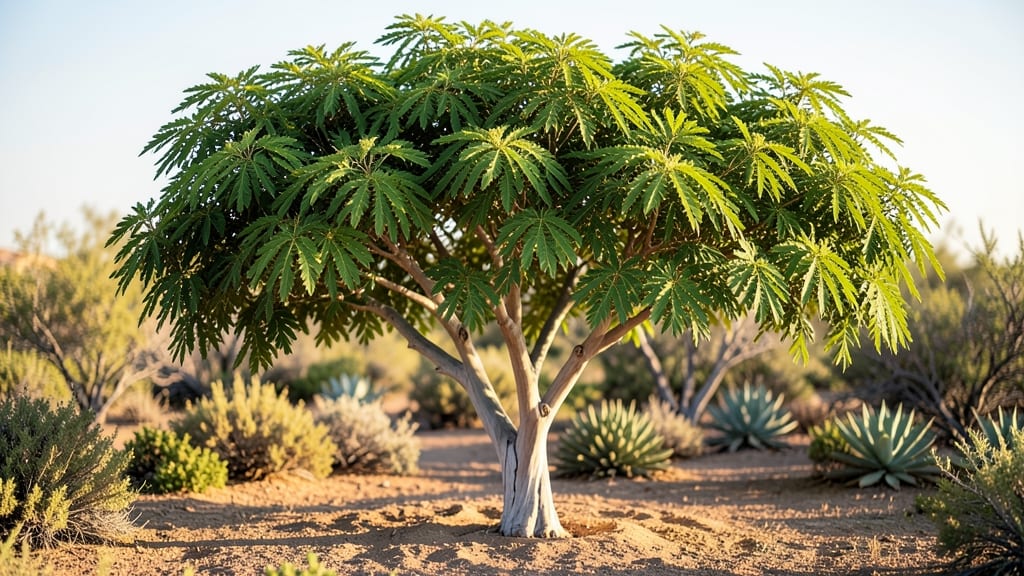
Arizona’s brutal sun can turn even sturdy ash trees into brittle skeletons—unless you prune like a pro. 🌵 The Fan Tex ash (Fraxinus velutina) thrives here because it’s built for heat, but its branches need strategic cuts to stay strong.
I’ve pruned mine for five years, and the difference between a scraggly mess and a shade-providing powerhouse comes down to timing, tools, and a few desert-specific tricks.
This tree isn’t just drought-tolerant—it’s desert-smart. Plant it in full sun with well-draining soil, and you’ll see why it’s the go-to for Phoenix and Tucson. The key is pruning in late winter or early spring, when the tree’s energy shifts from dormancy to growth.
Cut back dead wood first, then shape the canopy to let light reach the lower branches—critical for keeping the trunk from getting weak.
By summer, you’ll have a tree that handles 110°F heat without wilting, with branches that don’t snap in monsoon winds. The secret? Prune 10-15% of the canopy per year—never more—to avoid stress. And skip the heavy fertilizer; this tree’s native toughness comes from its roots, not chemicals.
Watch for signs of stress like yellowing leaves or brittle branches—those mean you’re pruning too aggressively. With the right cuts, your Fan Tex ash will outlast the neighborhood palms and still cast shade cooler than any other tree in the desert. Ready to give it a try?
📚 In This Guide
- What you need
- Instructions
- Tips and common mistakes
- Wrapping up and next steps
What you need
- ● Pruning Shears: Bypass pruners (for cuts Felco F-2 or Corona Tools (sharp, stainless steel).
- ● Loppers: 1 pair (for branches ½–1½ inches thick) – Fiskars X7 or Bahco Forester (ratcheting for leverage).
- ● Pruning Saw: 1 curved-tooth saw (for branches >1½ inches) – Fiskars X27 or Corona CS9010 (aluminum blade for desert durability).
- ● Extension Pole: 6–10 ft telescoping saw/pruner (for high branches) – Teleflex or Fiskars.
- ● Work Gloves: Heavy-duty, cut-resistant (e.g., Mechanix or Wellington) – 2 pairs (one for grip, one for heavy branches).
- ● Safety Gear: Safety glasses (ANSI Z87.1 rated).
- ● Ear protection (if using a chainsaw).
- ● Dust mask/respirator (for sawdust in dry air).
- ● Ladder: Aluminum extension ladder (20–30 ft) – Werner or Little Giant (stable, wide base for desert winds).
- ● Disinfectant: 70% isopropyl alcohol or bleach solution (1:9 ratio) (to sterilize tools between cuts).
- ● Heavy-Duty Trash Bags: 30–50 gallon (for debris; Arizona’s dry climate = fire risk—soak or remove branches ASAP).
- ○ Tree Wound Dressing (Optional): Tanglefoot Tree Seal (for large cuts >2 inches; skip for Fan Tex Ash—it seals naturally).
- ● Chainsaw (for thick, dead branches) – Stihl MS 180 or Husqvarna 436 (with sharp chain).
- ● Stump Grinder (if removing large stumps post-pruning).
- ● Hose & Bucket (to dampen sawdust/debris in dry conditions).
- ● GPS or App: iTree or Arizona State Forestry’s Tree Risk Assessment (to map branches pre-pruning).
- ● First Aid Kit (for desert-specific hazards: snakes, cacti, or falls).
Instructions for pruning Fan Tex ash trees in Arizona’s desert climate
Here’s the method I’ve used for years to keep Fan Tex ash trees strong and healthy in brutal Arizona heat.
✂️ Step 1: Time Your Pruning for Optimal Desert Growth
Prune your Fan Tex ash tree only during dormancy—between late fall and early spring (November through February). This timing avoids stressing the tree when it’s actively growing, which is critical in Arizona’s dry climate where water conservation matters most. I always wait until after the first hard frost to ensure the tree has fully settled into dormancy.
Never prune in summer or early fall. The intense desert sun and heat will dehydrate fresh cuts, making the tree vulnerable to disease and pests. You’ll know you’ve timed it right when new growth hasn’t yet begun—look for bare branches with no leaf buds.
🌿 Step 2: Use the Right Tools for Clean Cuts
Grab your sharp bypass pruners for branches under ½ inch thick and a pruning saw for anything thicker. Dull tools crush branches instead of cutting cleanly, which slows healing and invites infection. I always disinfect my tools with 70% isopropyl alcohol between cuts to prevent spreading disease—a must in Arizona’s dry, windy conditions.
Make cuts just outside the branch collar (the swollen area where the branch meets the trunk). Avoid leaving stubs, which rot over time. For larger branches, make a three-cut technique: undercut first, then top cut, and finally remove the branch without tearing the bark.
☀️ Step 3: Focus on Structural Health Over Aesthetics
Remove dead, diseased, or crossing branches first—these are the top priorities. In desert conditions, dead branches dry out faster and can become fire hazards. Look for branches growing toward the center of the tree (called water sprouts) and prune them back to a strong lateral branch to improve airflow.
Thin the canopy by removing up to 25% of the foliage to reduce water stress. You’ll see healthier, more vigorous growth in the following season. Avoid heavy pruning—Fan Tex ash trees are resilient, but over-pruning weakens their ability to handle Arizona’s extreme temperatures.
💧 Step 4: Water and Mulch After Pruning
Give your tree a deep watering immediately after pruning to help it recover. Focus on the root zone, wetting the soil 12-18 inches deep. In Arizona’s heat, this step is non-negotiable—it replaces the moisture lost through the cuts and supports new growth.
Apply 2-3 inches of mulch (like wood chips or gravel) around the base, keeping it 6 inches away from the trunk. Mulch retains moisture and regulates soil temperature, which is especially important in the desert. Replenish mulch as needed—it breaks down faster in hot, dry climates.
Tips & tricks for pruning Fan Tex ash trees in Arizona’s harsh climate
Here’s what I’ve learned after years of pruning Fan Tex ash trees in Arizona’s unforgiving conditions—these tricks will help you avoid common mistakes and keep your tree thriving.
Timing is Everything: The late fall to early spring window (November through February) is non-negotiable for Fan Tex ash trees. I’ve seen trees stressed beyond recovery when pruned outside this period, especially during Arizona’s brutal summer months. If you miss this window, wait until the next dormant season—rushing it leads to slow healing and increased vulnerability to pests. Look for those telltale bare branches with no leaf buds to confirm dormancy.
Tool Prep Saves Trees: Sharp tools aren’t just about clean cuts—they’re about survival in the desert. I’ve ruined perfectly good pruning sessions by using dull tools that crush branches instead of cutting cleanly. Always disinfect your tools with 70% isopropyl alcohol between cuts to prevent disease spread, which is especially critical in Arizona’s dry, windy climate where pathogens can hitchhike easily. For larger branches, the three-cut technique prevents bark tearing, which is crucial for proper healing in our extreme temperatures.
Desert-Specific Pruning: Fan Tex ash trees handle up to 25% canopy thinning beautifully, but don’t exceed that—over-pruning stresses them in our dry climate. Focus first on removing dead, diseased, or crossing branches, which dry out faster in the desert heat and become fire hazards. Water sprouts (those upward-growing branches) should be pruned back to strong lateral branches to improve airflow and reduce moisture loss through the canopy.
Post-Pruning Recovery Matters: That deep watering immediately after pruning isn’t optional—it’s essential. In Arizona’s heat, trees lose moisture through fresh cuts, and without replacement, they struggle to recover. Aim for 12-18 inches of soil saturation, and apply 2-3 inches of mulch (wood chips or gravel) around the base, keeping it 6 inches away from the trunk. This mulch layer acts like a moisture blanket, regulating soil temperature and preventing rapid evaporation that’s common in our desert climate.
Pro Tips for Fan Tex Ash Tree Arizona
- Here’s what I’ve learned after years of pruning Fan Tex ash trees in Arizona’s unforgiving conditions—these tricks will help you avoid common mistakes and keep your tree thriving.
- Timing is Everything: The late fall to early spring window (November through February) is non-negotiable for Fan Tex ash trees.
- Tool Prep Saves Trees: Sharp tools aren’t just about clean cuts—they’re about survival in the desert.
Frequently asked questions
Got questions about pruning your Fan Tex Ash Tree in Arizona’s desert climate? You’re not alone! Here are some of the most common queries—plus quick, actionable answers to keep your tree thriving.
When is the best time to prune a Fan Tex Ash Tree in Arizona?
The ideal window is late winter to early spring (February–March), when the tree is dormant but before new growth sprouts. Avoid pruning during extreme heat (summer) or monsoon season (July–September) to prevent stress and disease. Pro tip: Prune on a cool, overcast day to reduce sap flow and shock.
Can I prune a Fan Tex Ash Tree during summer or monsoon season?
It’s not recommended due to Arizona’s intense heat and humidity, which stress the tree and slow healing. However, if you must remove dead or diseased branches, do so early in the morning to minimize sap loss. Always disinfect tools between cuts to prevent fungal spread.
What’s the best way to prune Fan Tex Ash Tree branches without harming the tree?
Use the three-cut method to avoid tearing bark:
- Make an undercut 6–12 inches from the branch collar.
- Cut above the undercut, leaving a small stub.
- Finish by removing the stub flush with the collar.
How do I know if I’ve pruned too much or too little?
Prune no more than 25% of the tree’s canopy in one year—over-pruning stresses the tree. Signs of too much: Excessive water sprouts, wilting, or dieback. Too little? Look for crowded branches, deadwood, or uneven growth. Rule of thumb: Aim for an open, vase-like shape to improve airflow.
What should I do if my Fan Tex Ash Tree shows signs of stress after pruning?
Monitor for yellowing leaves, wilting, or oozing sap—common signs of stress. Immediate steps:
- Water deeply but infrequently (1–2 inches per week).
- Avoid fertilizing for 6–8 weeks post-prune.
- Apply a mulch ring (2–4 inches deep) to retain moisture.
Wrapping up and next steps
Mastering the art of pruning your Fan Tex Ash Tree in Arizona’s harsh desert climate isn’t just about aesthetics—it’s about ensuring its long-term health and resilience. 🌵 By following the right techniques, timing, and tools, you’ll help your tree thrive while keeping your property safe and vibrant.
Ready to take action? Grab your pruners, mark your calendar for the best season, and get started! Your tree—and your landscape—will thank you.
Pro tip: 💡 Document your progress with photos before and after pruning. It’s a great way to track growth and spot any changes early.