
Pruning
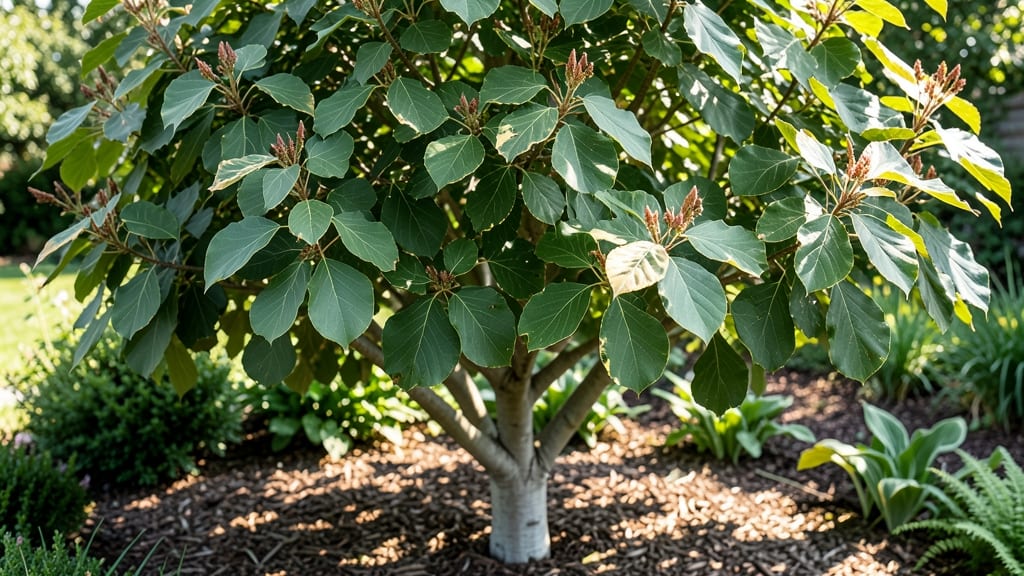
Your dogwood tree’s vibrant green leaves are its signature, but keeping them that way requires more than just luck. ✨ I’ve watched my own dogwood go from patchy brown to lush, glossy foliage in just one season—here’s how to make it happen for yours, no matter the time of year.
Start with the basics: dogwoods thrive in morning sun with afternoon shade, well-draining soil, and 1-2 inches of water weekly (more in summer). But the real secret is pruning—cutting at the wrong time or in the wrong way can turn those green leaves into sad, yellowing messes.
I’ll show you exactly when and how to prune for maximum health.
By the end, you’ll have a tree that stays deep green year-round, blooms reliably, and resists common pests. No more brown patches or weak growth—just the kind of tree that makes neighbors stop and ask, “What’s your secret?”
The key is timing, technique, and a little extra care during the growing season.
Whether you’re dealing with a young sapling or a mature tree, these steps adapt easily. Let’s get your dogwood looking its best—before the next season’s blooms even appear.
📚 In This Guide
- What you need
- Instructions
- Tips and common mistakes
- Wrapping up and next steps
What you need
- ● Pruning shears – Bypass pruners (sharp, 6-8" blades) for clean cuts on small branches.
- ● Loppers – 8-10" bypass loppers for thicker branches (up to 2" diameter).
- ● Pruning saw – For branches thicker than 2" (avoid bolt cutters—they crush wood).
- ● Gloves – Heavy-duty gardening gloves (cut-resistant for protection).
- ● Disinfectant (70% isopropyl alcohol or bleach solution) – 1 part bleach to 9 parts water to sterilize tools between cuts and prevent disease.
- ● Extension pole or step stool – Reaches 6-8 feet for higher branches (safety first!).
- ● Trash bags or bucket – For collecting pruned branches.
- ● Permanent marker – To mark cuts if planning a phased pruning schedule.
- ● Tree wound dressing – Controversial but useful for large cuts (consult a local nursery for recommendations).
- ● Pruning sealant – For wounds over 1.5" (only if your dogwood is prone to disease).
- ● Safety glasses – Protects eyes from debris, especially when using a saw.
- ○ Tree growth regulator – Optional for aggressive regrowth (follow label instructions).
- ● Camera or sketchbook – To document the tree’s shape before pruning (great for reference!).
How to prune dogwood trees for healthy growth and vibrant blooms
Here's my foolproof method for keeping your dogwood lush and flowering beautifully all year.
✂️ Step 1: Prune at the Right Time for Maximum Blooms
Dogwoods bloom on last year's growth, so timing matters. I always prune right after flowering but before new buds form—typically in late spring or early summer. This ensures you don’t cut off next year’s flowers. If you prune in fall or winter, you risk removing flower buds before they open.
Look for spent blooms that have faded but haven’t yet formed new growth. That’s your cue to start. Avoid pruning in fall—it stresses the tree and invites disease. I mark the branches I’ll trim with colored tape first to visualize the shape before making cuts.
✂️ Step 2: Remove Dead, Diseased, or Crossing Branches First
Start by cutting out any dead, diseased, or damaged branches—these are the easiest to spot. Use clean, sharp pruning shears to make 45-degree cuts just outside the branch collar (the swollen area where the branch meets the trunk). This prevents water from pooling and causing rot.
Next, remove branches that cross or rub against each other—they’ll eventually create wounds where pests or diseases can enter. Thin out crowded areas to improve airflow, which keeps foliage healthy. I like to step back every few cuts to check the tree’s overall shape and balance.
✂️ Step 3: Shape the Tree for Balance and Light Penetration
Dogwoods naturally grow in a rounded form, so aim to maintain that silhouette. Start by trimming back any branches that grow too close to the center—this opens up the canopy so light reaches all parts of the tree. Cut just above a bud or side branch to encourage new growth in the right direction.
For larger branches, use the three-cut method to avoid tearing the bark: First, make a small notch on the underside of the branch, then cut through the top, and finally remove the branch cleanly. Avoid leaving stubs—they invite decay. Step back often to ensure the tree stays balanced and doesn’t look top-heavy.
✂️ Step 4: Thin Out Overgrowth to Encourage New Growth
If your dogwood has become too dense, selectively thin out 20-30% of the branches to reduce stress on the tree. Focus on removing the oldest branches first—they’re less likely to regrow vigorously. Cut back to a healthy bud or lateral branch to stimulate new growth in the right place.
Watch for water sprouts (fast-growing, vertical shoots)—these sap energy from the tree. Snip them off at the base. After pruning, the tree may look a bit sparse, but within 4-6 weeks, you’ll see fresh green shoots filling in. This is a sign the tree is recovering well.
💧 Step 5: Clean Up and Protect the Tree
After pruning, rake up and dispose of all clippings—especially if any showed signs of disease. Sterilize your pruning tools with rubbing alcohol or a 10% bleach solution to prevent spreading pathogens. A light layer of mulch around the base (but not touching the trunk) helps retain moisture and keeps weeds away.
Water deeply after pruning to help the tree recover. Avoid heavy watering for 24 hours if you pruned in hot weather—this gives the cuts time to seal. Keep an eye out for new growth within 2-3 weeks. If you don’t see fresh shoots, the tree may need more nutrients or better light.
Tips & tricks for pruning dogwood trees like a pro
Pruning dogwoods is all about timing, technique, and patience—here's what I've learned after years of shaping my own trees.
The Timing Factor: If you're unsure whether your tree has finished blooming, look for these signs: petals should be completely fallen, but no new leaf buds should have formed yet. I always double-check by gently touching the branches—if they feel firm and no new growth is visible, it's safe to prune. This late spring/early summer window is critical because it preserves next year's flower buds, which form on last year's wood.
Branch Collar Matters: When making cuts in Step 2, focus on preserving the branch collar—the swollen area where the branch meets the trunk. This collar contains protective cells that help the wound heal properly. If you cut too close to the trunk, you create an open wound that invites disease. I use a small marker to trace where I'll cut before making the actual incision, which helps me visualize the perfect angle.
Visualizing the Shape: Before making any cuts, step back and study your dogwood's natural shape. Dogwoods naturally grow in a rounded form, so aim to maintain that silhouette. I find it helpful to sketch a rough outline on paper first—this prevents over-pruning and helps me visualize how each cut will affect the tree's balance. Remember, you can always remove more later, but you can't put branches back once they're gone.
Post-Pruning Recovery: After finishing all cuts, give your tree a final inspection. Look for any remaining water sprouts or branches growing in odd directions. These fast-growing vertical shoots can drain energy from your tree, so remove them completely at the base. Within 4-6 weeks, you should see fresh green shoots emerging—this is your tree's way of telling you it's recovering well. If you don't see new growth after 3 weeks, consider applying a balanced fertilizer to give it a boost.
Pro Tips for Dogwood Tree Green
- Pruning dogwoods is all about timing, technique, and patience—here's what I've learned after years of shaping my own trees.
- The Timing Factor: If you're unsure whether your tree has finished blooming, look for these signs: petals should be completely fallen, but no new leaf buds should have formed yet.
- Branch Collar Matters: When making cuts in Step 2, focus on preserving the branch collar—the swollen area where the branch meets the trunk.
Frequently asked questions
Got questions about keeping your dogwood tree vibrant and blooming?
Here are answers to the most common queries—from timing to troubleshooting—so you can master pruning like a pro!
When is the best time to prune a dogwood tree for blooms?
The ideal window is late winter to early spring (just before buds swell) or summer after flowering. Avoid pruning in fall—it can stimulate tender new growth that’s vulnerable to frost damage. For Cornus florida, prune right after blooms fade to preserve next year’s flowers!
Why did my dogwood stop blooming after pruning?
Dogwoods bloom on old wood, so aggressive pruning (cutting >25% of branches) can reduce—or even eliminate—flowers. Solution: Trim only dead, diseased, or crossing branches in late winter. If blooms are sparse, check for pests (like dogwood borers) or nutrient deficiencies (fertilize in early spring).
Can I prune a dogwood tree in summer? If so, how?
Yes! Light summer pruning (June–August) is safe and helps maintain shape. Focus on:
- Removing suckers (shoots at the base)
- Thinning out crowded branches for airflow
- Avoiding heavy cuts—stick to <10% of the canopy
What if my dogwood tree has yellow leaves after pruning?
Yellow leaves post-pruning are usually normal stress, but check for:
- Over-pruning (too many cuts at once)
- Underwatering (dogwoods need 1–2 inches of water weekly)
- Fungal issues (like powdery mildew—treat with neem oil if needed)
Are there alternatives to pruning for keeping a dogwood healthy?
While pruning is key, these low-maintenance tips help too:
- Mulch (2–3 inches of organic mulch to retain moisture)
- Fertilize (balanced 10-10-10 in early spring)
- Monitor pests (use beneficial insects or horticultural oil)
- Water deeply during droughts (dogwoods hate soggy or dry roots!)
Wrapping up and next steps
Your dogwood tree’s vibrant green foliage and stunning blooms are well within reach—with the right pruning know-how!
By following seasonal best practices, sharpening your tools, and prioritizing safety, you’ll keep your tree thriving for years. Now’s the perfect time to roll up your sleeves and give your tree the care it deserves.
Ready to see those dogwood tree green leaves and flowers shine? Start by scheduling your first pruning session this spring! Grab your tools, review the steps, and enjoy the satisfaction of nurturing a beautiful, healthy tree. 🌿✨