
Light Requirements
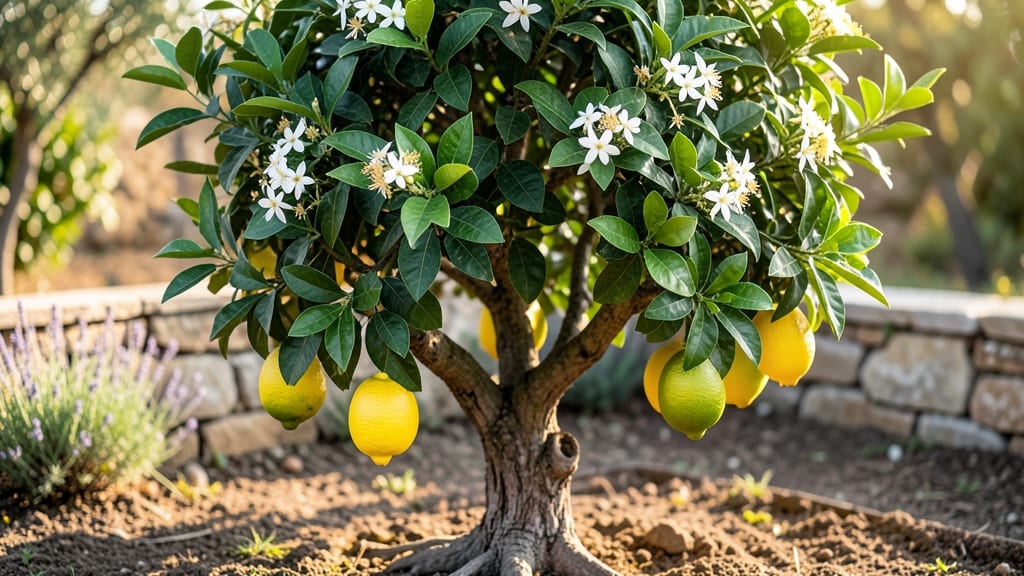
A lemon tree does a lot of sun need to thrive and produce fruit, but how much is too much—or too little?—can make all the difference between a lush, lemon-laden tree and a struggling plant.
Picture this: your 🍋 lemon tree sits in a sunny spot, but the leaves yellow and fruit never ripens. Or worse, the branches scorch under the midday glare.
Sunlight is the secret ingredient, but getting it right is easier than you think—especially when you know the ideal 6-8 hours of direct light for Meyer and standard varieties.
From container gardens to full-sun yards, I’ll break down exactly where to place your lemon tree for maximum growth, how to spot sunburn or shade stress, and even how to supplement light if you’re growing indoors.
By the end, you’ll know not just how much sun your lemon tree needs, but also how to adjust for your climate, container size, and even indoor setups—so you can finally enjoy homegrown lemons year after year.


How much sun does a lemon tree Really Need for Fruit Production?
If you're dreaming of homegrown lemons but struggling with poor fruit production, your lemon tree might be getting the wrong amount of sunlight. While all citrus trees crave light, the exact sunlight requirements vary by variety and growth stage.
Meyer lemons, for example, tolerate slightly less sun than classic Eureka or Lisbon varieties—yet even they need at least 6 hours of direct sunlight daily to thrive. Without enough light, your tree will focus on leafy growth instead of fruit, leaving you with bitter disappointment instead of juicy lemons.
The key to success lies in understanding how much sun your specific lemon tree needs at each growth stage. Seedlings require gentle morning sun to avoid scorching, while mature trees demand full sun exposure (8+ hours daily) for heavy fruit production.
Even a 1-2 hour difference in daily sunlight can mean the difference between a bountiful harvest and sparse branches. Let’s break down the science so you can give your lemon tree the perfect light prescription.
| Lemon Tree Type | Growth Stage | Ideal Sunlight (Daily) | Shade Tolerance | Fruit Yield Impact |
|---|---|---|---|---|
| Meyer Lemon | Seedling (0-1 year) | 4-6 hours | Moderate (avoid afternoon shade) | Minimal fruit; focuses on root growth |
| Meyer Lemon | Young Tree (1-3 years) | 6-8 hours | Low (partial shade reduces blooms) | Light fruit production; small lemons |
| Meyer Lemon | Mature (3+ years) | 8+ hours | None (full sun required) | Heavy fruit production; sweet, juicy lemons |
| Eureka/Lisbon Lemon | Seedling (0-1 year) | 6 hours | None (even morning shade risks stunting) | No fruit; prioritizes survival |
| Eureka/Lisbon Lemon | Young Tree (1-3 years) | 8 hours | Very low (reduces flowering) | Moderate fruit; tart flavor |
| Eureka/Lisbon Lemon | Mature (3+ years) | 10+ hours | None (critical for acidity/sweetness balance) | Maximum yield; classic lemon flavor |
Notice how Meyer lemons are more forgiving than Eureka or Lisbon varieties? That’s because they originated in China, where partial shade is common, while traditional lemons evolved in Mediterranean full sun.
If you’re growing a Meyer lemon in a container on a balcony, aim for a south-facing spot with at least 6 hours of morning sun. For Eureka or Lisbon lemons, afternoon sun is non-negotiable—they need those final hours to ripen fruit properly.
Your lemon tree’s growth stage also dictates its sunlight needs. Seedlings are delicate and can scorch in intense afternoon sun, so morning light is ideal for the first year.
Once established, young trees (1-3 years old) can handle more sun but still benefit from light afternoon shade in extreme heat (above 90°F). Mature trees, however, demand full sun exposure—anything less than 8 hours daily will result in fewer blooms and smaller fruit.
Think of sunlight as the fuel for flowering: without enough, your tree won’t allocate energy to produce lemons.
Here’s a pro tip: Monitor your tree’s leaves for subtle clues about its sunlight needs. Yellowing leaves on the north side (in the Northern Hemisphere) signal light deprivation, while crispy, brown edges on the south side mean too much sun. Adjust gradually—sudden changes can shock the tree.
For example, if your Meyer lemon is struggling in a shady spot, move it 1 foot closer to the sun each week over a month to acclimate. Patience here prevents sunburn and ensures your tree adapts smoothly.
What about partial shade? While lemon trees can survive with 4-6 hours of sun, their fruit production drops by 50-70%. That’s because citrus trees rely on sunlight to trigger photosynthesis and flowering hormones.
If you’re in a high-humidity climate (like Florida or Southeast Asia), afternoon shade can actually help prevent fungal issues, but you’ll need to supplement with grow lights indoors or choose a dwarf variety like ‘Improved Meyer’ for better light efficiency.
Let’s talk about seasonal adjustments. In winter, lemon trees enter dormancy and can tolerate slightly less light, but they still need at least 4 hours of sun daily to avoid leaf drop.
If you’re growing indoors near a window, rotate the pot quarter-turns weekly to prevent the tree from leaning toward the light. Outdoor trees benefit from reflective surfaces like white walls or mulch, which bounce extra light onto the canopy. Even a 10% increase in sunlight can boost fruit set
Signs your lemon tree isn’t getting enough (or too much) sun
Your lemon tree might be silently screaming for help if it’s not getting the right amount of sunlight. Too little light leads to weak growth, while too much can scorch leaves and stress the tree. Watch for these visual clues to diagnose the issue before it’s too late.
First, check the leaves—yellowing or pale foliage is a classic sign of insufficient sunlight. The tree may also grow tall and leggy, stretching toward any available light source. This "etiolation" happens when the tree isn’t getting enough energy from the sun to produce chlorophyll.
⚠️ callout warning ⚠️
Too little sun: Leaves turn yellow, stems grow weak, and fruit production stops. Too much sun: Leaves develop brown, crispy edges (sunburn), and may drop prematurely. Meyer lemons tolerate partial shade better than standard varieties.
Fix it fast: Move potted trees to sunnier spots gradually (over 1-2 weeks). For indoor trees, use grow lights 12-14 hours/day to supplement weak natural light.
On the flip side, sunburned leaves with crispy, brown edges mean your tree is getting too much direct sunlight. This often happens when you suddenly move a tree from shade to full sun or during hot summer afternoons.
The tree’s leaves may also curl or droop as a protective response.
If your lemon tree isn’t producing fruit, light deprivation is often the culprit. Trees need 6-8 hours of direct sunlight daily to flower and bear fruit. Without enough light, the tree focuses all its energy on leafy growth instead of reproductive development.
For indoor lemon trees, place them near a south-facing window where they can get the most sunlight. If natural light is insufficient, consider adding a full-spectrum grow light 12-16 inches above the tree. Rotate the tree weekly to ensure even growth and prevent it from leaning toward the light source.
Adjusting light exposure is easier than you think. Start by moving your tree to a sunnier location during its active growing months (spring and summer). If you’re pruning, remove any overcrowded branches blocking sunlight from reaching the center of the tree.
For outdoor trees, use lightweight shade cloth during peak afternoon sun to protect delicate leaves.