
Pruning
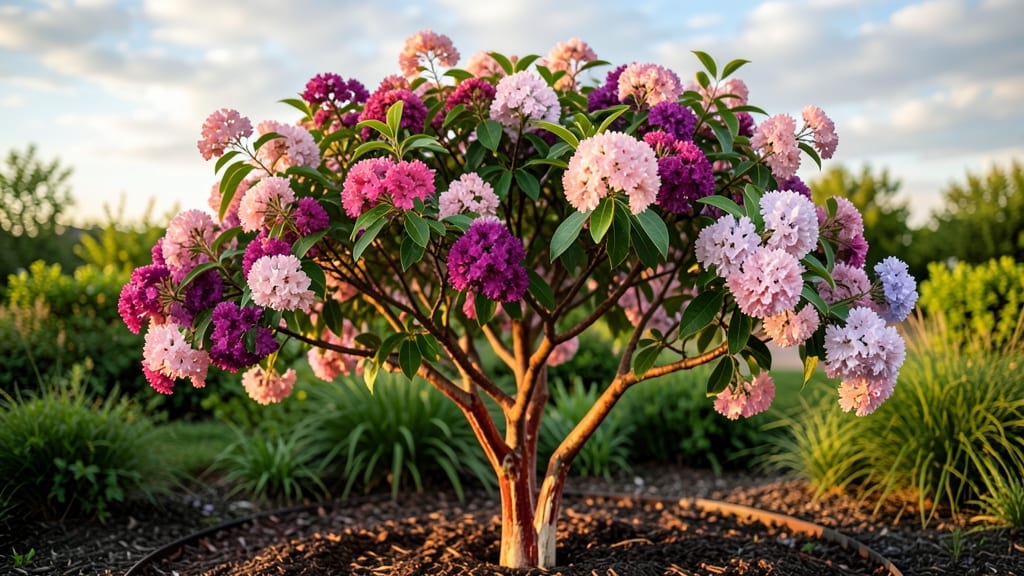
Growing crepe myrtles in California means drought-resistant beauty that thrives with almost no fuss. 🌿 These trees handle our heat, coastal fog, and inland dry spells better than most, but choosing the right variety makes all the difference—especially for our diverse climates.
I’ve planted them from San Diego to Sacramento, and the right one can turn your yard into a summer-long floral display without the high water bills.
The best California crepe myrtles—like ‘Natchez’ for dramatic height or ‘Tonto’ for compact spaces—need full sun and well-draining soil, but they’ll survive even in rocky ground. Water deeply once established, then let nature take over.
Prune in late winter to shape them and encourage those iconic blooms, but skip the heavy cuts—these trees hate being trimmed back too hard. What you’ll end up with is a tree that stays green through droughts, bursts with color from summer to fall, and never needs fertilizing.
The bark peels beautifully in winter too, adding texture year-round. Plus, they attract hummingbirds—so you’ll get double the beauty for the effort. Works for urban yards, rural landscapes, and everything in between. Here’s how to pick the perfect spot and variety for your microclimate—no green thumb required.
📚 In This Guide
- What you need
- Instructions
- Tips and common mistakes
- Wrapping up and next steps
What you need
- ● Pruning shears: Bypass pruners (sharp, 6-8 inch blades) for clean cuts on small branches.
- ● Loppers: 1 pair (18-24 inch) for thicker branches (up to 2 inches in diameter).
- ● Pruning saw: 1 (for branches larger than 2 inches).
- ● Gloves: Heavy-duty, cut-resistant gloves (to protect from thorns and rough bark).
- ● Disinfectant: 70% isopropyl alcohol or a 10% bleach solution (to sterilize tools between cuts).
- ● Trash bags or bucket: For collecting pruned branches and debris.
- ● Ladder or step stool: (If your tree is taller than 6-7 feet).
- ● Water and rags: For cleaning tools post-pruning.
- ● Hand pruners: For precision trimming of tiny branches or shaping.
- ● Extension pole saw: For high branches without climbing.
- ● Rubbing alcohol wipes: Quick tool disinfection on the go.
- ● Pruning sealant: (For large wounds, though crepe myrtles heal well without it).
- ● Safety glasses: To shield eyes from debris.
- ● Best time to prune: Late winter or early spring (before new growth starts). Avoid pruning in fall or winter in California’s mild climates—it can encourage late-season growth vulnerable to frost.
- ● Weather check: Choose a dry, calm day to work. Wet branches are heavier and harder to handle!
- ● Plan ahead: Sketch a rough outline of your desired shape or consult a crepe myrtle pruning guide for inspiration.
- ● Safety first: Wear long sleeves and pants to avoid thorns, and avoid working alone if the tree is large.
Step-by-step guide to planting and caring for crepe myrtles in California
California’s climate is perfect for crepe myrtles—here’s how to plant and maintain them for vibrant, low-maintenance beauty.
🌱 Step 1: Choose the Right Location and Planting Time
Crepe myrtles thrive in full sun with at least 6-8 hours of direct sunlight daily, making them ideal for California’s sunny landscapes. Plant in early spring or fall when temperatures are mild—avoid extreme heat or frost, which can stress the tree.
Dig a hole twice as wide as the root ball but only as deep. The top of the root ball should sit 1-2 inches above ground level to prevent waterlogging. California’s well-draining soil works well, but if your soil is heavy clay, amend it with compost to improve drainage.
☀️ Step 2: Water Deeply and Mulch for Retention
After planting, water the tree deeply to settle the soil around the roots. In California’s dry climate, new crepe myrtles need 1-2 inches of water per week for the first year. Let the top 2-3 inches of soil dry out between waterings to avoid overwatering, which can lead to root rot.
Apply a 2-3 inch layer of mulch around the base, keeping it 6 inches away from the trunk to prevent moisture buildup. Use organic mulch like wood chips or bark—this helps retain moisture, regulates soil temperature, and suppresses weeds, all of which are critical in California’s variable weather.
✂️ Step 3: Prune for Shape and Health in Late Winter
Prune your crepe myrtle in late winter or early spring, just before new growth begins. Remove any dead, diseased, or crossing branches first. Then, shape the tree by cutting back 1/3 of the previous year’s growth to encourage bushier, more vibrant blooms.
Watch for "crepe murder"—the practice of over-pruning, which can harm the tree. Never prune more than 1/3 of the canopy at a time, and avoid cutting into old wood, as crepe myrtles bloom on new growth. You’ll see fresh, green shoots emerge within weeks of proper pruning.
🌿 Step 4: Fertilize Lightly for Strong Growth
Crepe myrtles are generally low-maintenance but benefit from a balanced, slow-release fertilizer in early spring. Use a 10-10-10 or 20-20-20 formula at half the recommended rate to avoid over-fertilizing. Spread the fertilizer evenly over the root zone and water it in thoroughly.
In California’s nutrient-rich soils, you may not need to fertilize every year. Monitor the tree’s health—if leaves are pale or growth is slow, that’s your cue to add a light application. Over-fertilizing can lead to excessive foliage growth at the expense of flowers, so less is often more.
⏰ Step 5: Monitor for Pests and Diseases
Crepe myrtles are relatively pest- and disease-resistant, but keep an eye out for aphids, scale, or powdery mildew in California’s humid coastal areas. If you spot pests, spray the tree with a hose to dislodge them or use an insecticidal soap for severe infestations.
Preventative care is key—water at the base of the tree rather than overhead to reduce humidity around the leaves, which can encourage fungal issues. If you notice yellowing leaves or black spots, prune affected areas immediately and improve airflow around the tree by thinning dense branches.
Tips & tricks for perfect crepe myrtle tree planting in California
These simple tricks will help your crepe myrtle thrive in California's unique climate without the guesswork.
Sunlight Strategy: While crepe myrtles need that full sun (6-8 hours daily), watch for afternoon shade in inland valleys. If your tree gets intense afternoon sun, consider a light afternoon breeze or temporary shade cloth during peak heat to prevent leaf scorch. The goal is vibrant blooms without stressed foliage.
Watering Wisdom: That 1-2 inches per week guideline works for most of California, but coastal areas may need slightly more. Check soil moisture by sticking your finger 2-3 inches deep—if it's dry, water deeply. Morning watering is best to reduce evaporation and fungal risks. I've seen trees struggle when watered in the evening, especially in humid coastal regions.
Mulch Magic: The 2-3 inch layer of organic mulch isn't just for looks—it creates a natural insulator. In winter, this helps protect roots from temperature swings, while in summer it keeps roots cool. Just remember to keep that mulch 6 inches from the trunk to prevent rot. I've found wood chips work best in inland areas where they break down more slowly.
Pruning Precision: When cutting back that 1/3 of last year's growth, look for the "crepe myrtle bark" (that distinctive textured bark) to identify where to make clean cuts. Avoid leaving stubs—always cut just above a bud or branch collar. I've seen too many trees with "crepe murder" pruning where people cut into old wood, which never blooms again.
Pro Tips for Crepe Myrtle Tree California
- These simple tricks will help your crepe myrtle thrive in California's unique climate without the guesswork.
- Sunlight Strategy: While crepe myrtles need that full sun (6-8 hours daily), watch for afternoon shade in inland valleys.
- Watering Wisdom: That 1-2 inches per week guideline works for most of California, but coastal areas may need slightly more.
Frequently asked questions
When is the best time to prune a crepe myrtle in California?
Prune your crepe myrtle late winter or early spring (February–March) before new growth begins. Avoid pruning in fall or winter, as this can stimulate tender growth that may frost damage. Never prune during summer—it stresses the tree and reduces flowering. For aggressive pruning, wait until after blooming (late summer) to shape without sacrificing next year’s flowers.
How much can I trim back my crepe myrtle without harming it?
You can safely remove up to 25–30% of the tree’s height in one season, but avoid cutting into old wood (brown stems)—this won’t regrow. Focus on dead, diseased, or crossing branches first. For dramatic shaping, prune over 2–3 years to reduce stress. Pro tip: Use clean, sharp tools to make slanted cuts just above a leaf node or bud.
What pests or diseases should I watch for in California crepe myrtles?
Common issues include:
- Aphids or scale insects: Look for sticky residue (honeydew) or white fluffy spots. Treat with neem oil or insecticidal soap.
- Powdery mildew: White powder on leaves? Improve airflow and apply fungicide if severe.
- Bark scale: Thick, crusty bumps on branches—prune and dispose of infested wood.
California’s dry climate keeps many pests in check, but overwatering invites problems. Water deeply but infrequently (1–2 times/week in summer).
Are there drought-tolerant crepe myrtle varieties better for California?
Opt for native or drought-adapted cultivars like:
- ‘Natchez’ or ‘Tonto’: Heat-tolerant with vibrant blooms.
- ‘Acoma’: Compact, ideal for small spaces.
- ‘Catawba’: Dark foliage, drought-resistant.
Once established, crepe myrtles thrive on minimal water—just 1–2 inches/week during dry spells. Mulch (2–3 inches) to retain moisture and suppress weeds.
Can I grow crepe myrtles in containers in California?
Yes! Dwarf varieties like ‘Dwarf Yoda’ or ‘Zuni’ work well in large containers (15+ gallons) with fast-draining soil. Use a mix of potting soil + perlite and water when the top 2 inches are dry. Move containers to partial shade in peak summer to prevent leaf scorch. Note: Container trees need annual repotting to avoid root-bound stress.
Wrapping up and next steps
Your crepe myrtle tree in California isn’t just a stunning addition to your landscape—it’s a low-maintenance powerhouse that thrives with minimal fuss. From mastering the art of pruning to protecting it from pests and drought, you now have the tools to keep it flourishing for years. 🌿
Ready to transform your outdoor space? Start by scheduling your first pruning session in early spring—just as new growth begins—and watch your tree reward you with vibrant blooms and lush foliage. Happy gardening! 🌸