
Pruning
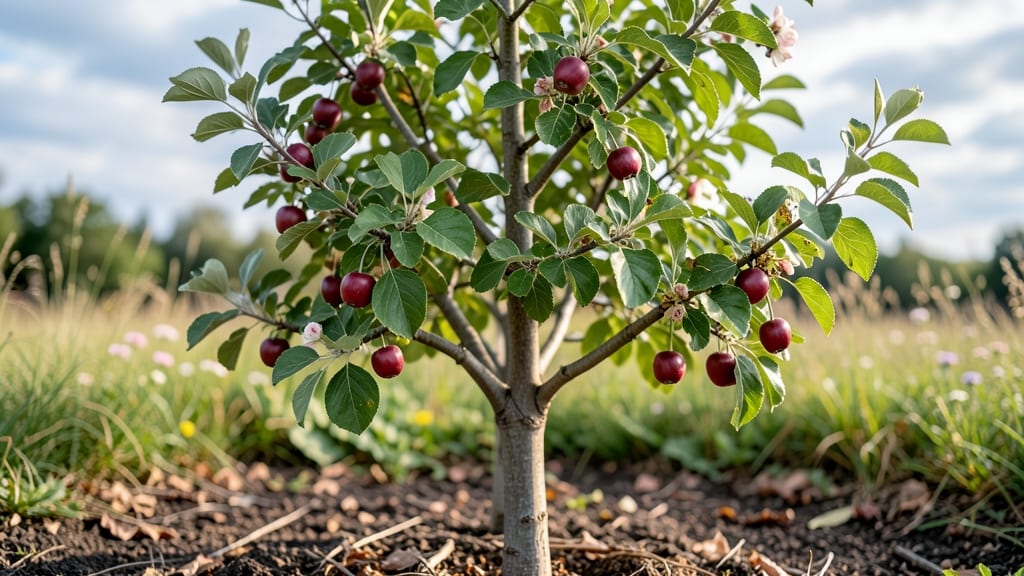
Fall pruning crabapple trees unlocks next spring’s showstopper blooms—right now is the perfect time to shape your tree while it’s dormant. ✂️ I’ve learned the hard way that skipping this step means leggy branches and fewer flowers, but with the right cuts, your tree will reward you with bold pink or white blossoms that steal the show in May.
The key is timing: prune after leaves fall but before winter’s worst cold sets in, usually between November and early March in most temperate zones. You’ll remove deadwood, thin crowded branches, and open the canopy for better airflow—critical for preventing fungal diseases that love damp winter conditions.
Grab your pruners and a ladder, and let’s get started.
What you’ll end up with is a tree that looks neater, grows stronger, and bursts into bloom earlier than ever.
The cuts you make now will determine how full and vibrant those spring flowers appear, so take your time—this isn’t just maintenance, it’s setting the stage for next year’s garden highlight.
Works for any crabapple variety, whether you’ve got a mature specimen or a young tree just starting to branch out. Here’s how to do it right without over-pruning or inviting pests—trust me, your future self will thank you when those blossoms appear.
📚 In This Guide
- What you need
- Instructions
- Tips and common mistakes
- Wrapping up and next steps
What you need
- ● Pruning shears (bypass or anvil type): Choose sharp, high-quality shears with a 1.5"–2" blade length for small branches (up to ½" thick).
- ● Loppers: For branches ½"–2" thick, opt for bypass loppers with a 6"–8" blade and comfortable grip.
- ● Pruning saw: A curved-tooth saw (8"–10" blade) for branches 2"–4" thick—look for a foldable design for portability.
- ● Extension pole saw: For high branches, a 10–15 ft telescoping saw with a 10" blade saves time and effort.
- ● Work gloves: Heavy-duty, cut-resistant gloves (e.g., Mechanix or Worn Again) to protect hands from thorns and debris.
- ● Safety glasses: ANSI-rated goggles to shield eyes from flying chips and sap.
- ● Ladder (if needed): A stable, extendable aluminum ladder (rated for 300+ lbs) with non-slip feet for taller trees.
- ● Heavy-duty trash bags: 20–30 gallon bags for collecting debris (or a wheelbarrow for large volumes).
- ○ Disinfectant (optional but recommended): 70% isopropyl alcohol or a 10% bleach solution to sterilize tools between cuts and prevent disease spread.
- ● Rag or paper towels: For wiping down tools and hands.
- ○ Pruning sealant (optional): Tree wound sealant (e.g., Tanglefoot or Tangle-Tree) for cuts larger than ½" to reduce sap loss.
- ● Weather check: Prune on a dry, calm day (avoid rain or high winds).
- ● Tree inspection: Identify dead, diseased, or crossing branches before starting.
- ● Safety briefing: Clear a 10 ft radius around the tree and mark power lines or obstacles.
- ● Tool sharpening: Hone blades before use for clean cuts (use a file or sharpener).
How to prune crabapple trees in fall for stronger spring blooms
Fall is the perfect time to shape your crabapple tree—clean cuts now mean vibrant spring flowers and healthy growth.
✂️ Step 1: Gather Your Tools and Safety Gear
Start with sharp, clean tools to make precise cuts that heal faster. You'll need a pair of bypass pruning shears for small branches and a pruning saw for thicker stems over ½ inch in diameter. Always wear gloves—crabapple branches have thorns that pack a punch, and safety goggles protect against flying debris when cutting.
Disinfect your tools with rubbing alcohol between cuts to prevent spreading disease. I like to wipe them down after every 3-4 branches, especially if you notice any signs of infection like oozing sap or dark streaks in the wood. This small habit saves trees from fungal infections that can linger in dirty blades.
🌿 Step 2: Remove Dead, Diseased, or Damaged Branches First
Scan the entire tree for branches that are completely brown, cracked, or showing signs of disease like fungal growth or holes from pests. These are your priority cuts—they won’t regrow and only drain the tree’s energy. Use your pruning shears to make a clean cut just outside the branch collar (the swollen area where the branch meets the trunk).
If a branch is larger than you can handle with shears, switch to your pruning saw and cut at a slight angle to avoid leaving stubs. Watch for water sprouts (thin, upright shoots) and crossing branches—both should come out now. You’ll know you’re on the right track when the tree’s structure starts looking more open and airy.
☀️ Step 3: Thin the Canopy for Better Airflow and Light
Crabapple trees bloom best when they get plenty of sunlight and air circulation. Focus on removing branches that rub against each other or grow inward toward the center of the tree. Aim to reduce the canopy density by about 10-20%—this encourages stronger growth and fewer pest problems. Start at the outer edges and work your way inward.
Look for branches that grow at sharp angles (less than 45 degrees) from the trunk or main branches. These are weak points that can snap under snow or ice. Cut these back to a stronger, outward-growing branch. You’ll notice the tree’s natural shape emerging as you go—trust your eye for what looks balanced and open.
⏰ Step 4: Shape the Tree for Balance and Future Growth
Now’s the time to refine the tree’s shape. Step back and visualize how the branches will fill out in spring. Remove any branches that grow straight upward (they’ll compete with the leader) or cross the main trunk. For larger branches, make your cut just outside the branch collar and avoid leaving a stub—this prevents decay.
If you’re pruning a young tree, focus on establishing a strong central leader (the main upward-growing branch). For mature trees, aim to open the center by removing about ⅓ of the smallest branches in the middle. This reduces the risk of fungal diseases that thrive in dense, shaded canopies. A well-pruned crabapple should look like a lamp shade—wide at the top and tapering toward the bottom.
🪴 Step 5: Clean Up and Protect the Tree
After pruning, rake up and remove all debris from under the tree—this prevents pests and diseases from overwintering. If you notice any sawdust-like frass (a sign of borers) or mushroom-like growths, dispose of it in a sealed bag. A light layer of mulch (2-3 inches) around the base helps retain moisture and protect roots from winter temperature swings.
Give the tree a deep watering if your area hasn’t had recent rain—this helps the cuts heal faster. Avoid heavy fertilizing now, though; the tree is entering dormancy and doesn’t need extra nutrients. Instead, mark your calendar for early spring (just before buds swell) to apply a balanced fertilizer. You’ll see the difference in next year’s blooms!
Tips & tricks for perfect crabapple tree fall pruning
Here's what nobody tells you about pruning crabapple trees—these tricks make all the difference for next spring's blooms.
Tool Prep is Non-Negotiable: I learned this the hard way after ruining three branches with dull shears—always test your pruning shears on a scrap piece of wood first. If they don't cut cleanly, sharpen them before starting. For branches over ½ inch thick, your pruning saw should have a fine-toothed blade to prevent tearing. I keep a small file in my toolkit to touch up blade edges mid-session if I notice resistance.
Branch Collar Awareness: The branch collar—the swollen area where branches meet the trunk—is your guidepost. Never cut flush with the trunk; always leave that collar intact. It's the tree's natural healing mechanism. When you cut just outside it at a slight angle, you're helping the tree seal off the wound properly. I mark the collar with a piece of masking tape if I'm unsure where to cut—it's a visual cue that saves mistakes.
Canopy Density Math: That 10-20% canopy reduction target in Step 3 isn't arbitrary—it's the sweet spot for airflow without over-pruning. Start by removing every other branch that grows inward. For mature trees, I use the "third branch rule": remove about ⅓ of the smallest branches in the center first. This creates that perfect lamp shade shape while maintaining structure. Think of it as creating a tree with a wide brimmed hat—open at the top, tapered at the bottom.
Post-Prune Protection: After cleaning up debris, I always do a final walk-around looking for any signs of stress. If I see any branches with torn bark or excessive sap bleeding, I treat those cuts with a thin layer of pruning sealant. For the mulch layer, I use only organic materials like shredded bark—never fresh wood chips, as they can compact too tightly and suffocate roots. The 2-3 inch layer should look like a donut around the trunk, keeping soil exposed at the center.
Pro Tips for Crabapple Tree Fall
- Here's what nobody tells you about pruning crabapple trees—these tricks make all the difference for next spring's blooms.
- Tool Prep is Non-Negotiable: I learned this the hard way after ruining three branches with dull shears—always test your pruning shears on a scrap piece of wood first.
- Branch Collar Awareness: The branch collar—the swollen area where branches meet the trunk—is your guidepost.
Frequently asked questions
Got questions about timing, tools, or techniques for crabapple tree fall pruning? You’re not alone! Here are answers to the most common queries to help you tackle this task with confidence.
When is the best time to prune a crabapple tree in fall?
The ideal window is late fall to early winter (November–February, before buds swell). Pruning at this time minimizes stress on the tree, reduces disease risk, and ensures a strong spring bloom. Avoid pruning after heavy frost—wait until temperatures stabilize above freezing.
What tools do I need for fall pruning, and can I skip any?
Essential tools include:
- Bypass pruners (for small branches)
- Loppers (for ½–1.5-inch branches)
- Pruning saw (for thicker limbs)
- Gloves, safety glasses, and a ladder (if needed)
How much of my crabapple tree can I safely remove in one fall session?
Aim to remove no more than 20–25% of the tree’s canopy in a single session. Over-pruning stresses the tree, weakens blooms, and invites disease. Focus on:
- Dead, diseased, or crossing branches
- Water sprouts (vertical shoots)
- Limbs rubbing against each other
Will fall pruning affect next year’s flowers?
Not if done correctly! Crabapples bloom on last year’s wood, so pruning in fall won’t remove flower buds. However, avoid heavy cuts too late in winter—new growth (and potential blooms) starts in early spring. Think of fall pruning as a spring prep!
My crabapple tree has blackened branches after pruning—what went wrong?
Blackened branches often signal fire blight (a bacterial infection) or drought stress. To troubleshoot:
- Check cuts: Ragged edges = improper pruning; smooth cuts = clean tools.
- Inspect for oozing sap or wilting leaves (signs of disease).
- Water deeply after pruning (1–2 inches per week).
Wrapping up and next steps
Fall is the perfect time to revive your crabapple tree’s spring blooms with strategic pruning! By removing dead, diseased, or crossing branches—and shaping for airflow—you’ll set the stage for vibrant flowers and lush foliage next season. Remember: clean tools, sharp cuts, and a little patience go a long way. 🌿
Ready to transform your tree? Grab your pruners and schedule a session on a dry, crisp fall day. Your future spring blooms will thank you! For extra guidance, revisit our FAQs or consult a local arborist. Happy pruning!