
Trees
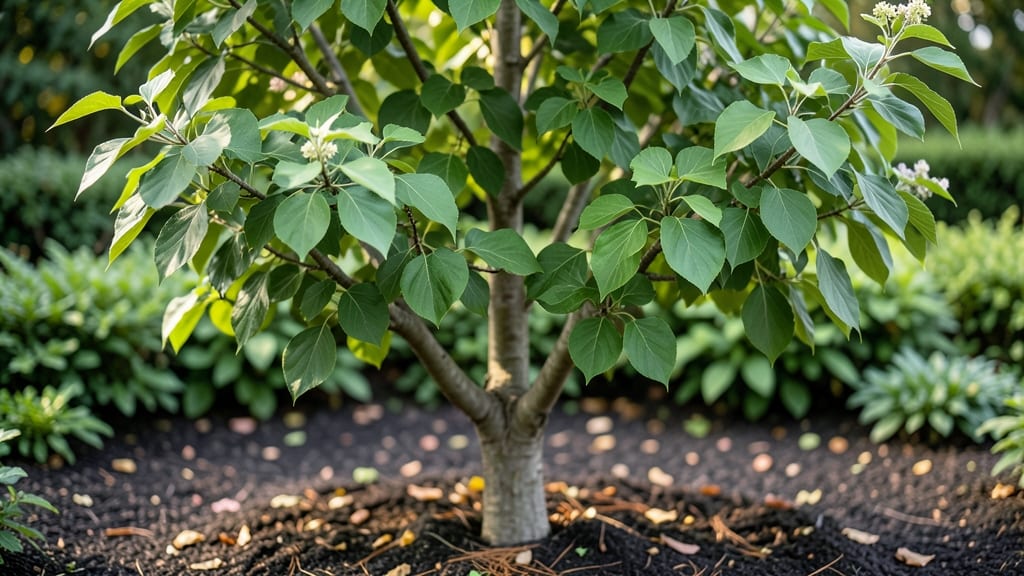
When the common lilac tree leaves turn yellow or spotty, it’s not just a cosmetic issue—it’s a cry for help. 🌿 I’ve seen healthy lilacs turn ragged overnight from powdery mildew, aphids, or even overwatering, and the fixes are simpler than you’d think.
The key is catching problems early before they spread to those fragrant blooms you love.
Start by checking the undersides of leaves for tiny webs or sticky residue—aphids or spider mites leave telltale signs. Yellowing edges often mean overwatering or nutrient deficiency, while brown spots could signal fungal issues.
Most problems fix with pruning, neem oil, or adjusting watering, but act fast before the whole tree suffers.
📚 In This Guide
- What you need
- Instructions
- Tips and common mistakes
- Wrapping up and next steps
What you need
- ● Common lilac leaves – 1–2 cups fresh or ½ cup dried (harvest from pesticide-free trees in early summer for peak flavor).
- ○ Fresh or dried complementary herbs (optional but recommended): Chamomile flowers (1 tbsp) – for calming notes
- ● Peppermint leaves (½ tsp) – for a refreshing twist
- ● Lemon balm (1 tsp) – to enhance floral aroma
- ● Hot water – 1 cup (240 mL) per serving
- ● Tea infuser or fine-mesh strainer – for easy steeping
- ● Glass jar or airtight container – for storing dried leaves (if prepping ahead)
- ● Pruning shears or clean scissors – for harvesting leaves (sterilize with rubbing alcohol first!)
- ● Paper towels or clean cloth – to pat dry fresh leaves before drying
- ● Dehydrator or oven – for drying leaves (set to 170°F (77°C) for 2–4 hours)
- ● Mortar and pestle – for crushing dried leaves (releases essential oils for stronger flavor)
- ● Honey or local sweetener – to taste, if desired
- ● Labeling tags – to mark your tea blend with the date and ingredients
Step-by-Step guide to harvesting and preparing lilac leaves for tea
Here's how to turn your backyard lilac tree into a fragrant, floral tea—no fancy tools needed.
🌿 Step 1: Identify and Harvest the Right Leaves
Lilac leaves are best picked in late spring or early summer when the tree is actively growing but before flowering. Look for young, tender leaves—they're lighter green and more fragrant. Avoid older, woody leaves or any that look yellowed or spotted.
Use clean, sharp scissors or pruning shears to cut small clusters of leaves (about 1-2 inches long). Harvest in the morning after the dew has dried but before the sun gets too intense—this preserves the most flavor. I like to pick leaves from the outer branches first, as they tend to be fresher and less prone to pests.
💧 Step 2: Clean and Prepare the Leaves
Spread the harvested leaves on a clean, dry towel or mesh screen. Gently brush off any debris, insects, or small twigs with your fingers or a soft brush. Rinse them briefly under cool water only if they feel dusty—over-washing will strip their natural oils and reduce flavor.
Lay the leaves flat to dry completely. You can air-dry them by placing them in a single layer on a baking sheet in a warm, shaded spot (like a windowsill or under a fan). Avoid direct sunlight, which can turn the leaves bitter. They’re ready when crispy and brittle—usually in 3-5 days, depending on humidity.
☀️ Step 3: Store the Dried Leaves Properly
Once fully dried, store the leaves in an airtight container—glass jars or resealable bags work best. Keep them in a cool, dark place (like a pantry or cupboard) to preserve their flavor and aroma. Properly stored, they’ll stay fresh for up to a year, though they’ll lose potency after 6 months. Label the container with the date and "lilac tea leaves" to avoid confusion.
For the best flavor, grind the dried leaves just before brewing using a mortar and pestle, spice grinder, or clean coffee grinder. This releases the essential oils and intensifies the floral notes. Store the ground leaves in the same airtight container for no more than 2 weeks—freshly ground leaves make the best tea.
⏰ Step 4: Brew Your Lilac Leaf Tea
To brew, steep 1 teaspoon of dried (or 2 teaspoons of fresh) lilac leaves in 1 cup of boiling water for 5-7 minutes. The longer you steep, the stronger and more floral the tea becomes—start with 5 minutes for a delicate flavor and increase to 10 minutes if you prefer a bolder taste.
Strain the leaves through a fine-mesh sieve or cheesecloth, then enjoy your tea plain or with a touch of honey, lemon, or a splash of milk. Lilac tea has a light, floral, slightly sweet profile—perfect for sipping in the afternoon or as a caffeine-free evening wind-down. If the tea tastes too bitter, reduce the steeping time next batch.
Tips & tricks for perfect lilac leaf tea
Here's what nobody tells you about getting the most flavor from your backyard harvest.
Harvesting Tip: The timing of your harvest makes all the difference. I've found that picking leaves just after morning dew has evaporated but before noon heat sets in preserves the most delicate floral notes. If you're harvesting later in the day, focus on the shadier side of the tree where leaves stay cooler. Trust me on this—those few hours can mean the difference between a pleasant tea and a truly fragrant one.
Drying Technique: When drying your leaves on a baking sheet, don't stack them—even a single layer needs airflow. I like to prop the baking sheet on a small rack or upside-down bowl to allow air to circulate underneath. This prevents moisture buildup that can make leaves moldy. If your kitchen is humid, consider using a small fan on low setting to speed up drying without risking bitterness from heat.
Storage Wisdom: The airtight container you use matters more than you'd think. Glass jars with rubber seals work best for long-term storage, but if you're using plastic bags, squeeze out all the air before sealing. I've learned the hard way that even a tiny bit of oxygen can turn your beautiful dried leaves into brown, flavorless dust within weeks. For extra protection, place a small piece of dried lavender (if you have it) in the container—it complements the lilac flavor and acts as a natural preservative.
Brewing Secret: The 5-7 minute steeping range in Step 4 is your flavor sweet spot. For the first batch, I recommend starting at exactly 5 minutes—this gives you a light, floral tea perfect for sipping. If you want to experiment, try steeping for 3 minutes first to taste the most delicate notes before building up to longer steeps. Remember, once you remove the leaves, the tea continues to develop flavor for about 5 minutes after brewing, so don't rush to drink it immediately.
Pro Tips for Common Lilac Tree Leaves
- Here's what nobody tells you about getting the most flavor from your backyard harvest.
- Harvesting Tip: The timing of your harvest makes all the difference.
- Drying Technique: When drying your leaves on a baking sheet, don't stack them—even a single layer needs airflow.
Frequently asked questions
Got questions about common lilac tree leaves?
You’re not alone! Here are some of the most common queries—plus quick, practical answers to help you navigate this fragrant (and edible) topic with confidence.
Are common lilac leaves safe to eat?
Yes, but with caution! While the leaves are edible and used in teas, they contain small amounts of cyanogenic glycosides. Moderation is key—avoid large quantities, especially if you have thyroid conditions (they may interfere with iodine absorption). Always harvest from pesticide-free trees and steep lightly (5–10 mins) to reduce bitterness.
When is the best time to harvest lilac leaves for tea?
The ideal window is late spring to early summer, just as the tree blooms or right after. Avoid harvesting when the leaves are wilted, yellowed, or covered in pests. Early morning is best—the leaves are hydrated and packed with flavor. Pro tip: Snip leaves with clean scissors, leaving at least ⅓ of the stem to encourage regrowth!
How do I prepare lilac leaf tea?
Start with 1–2 teaspoons of fresh leaves per cup of hot water (not boiling—use ~190°F/88°C to preserve delicate compounds). Steep for 5–10 minutes (longer = stronger floral notes but more bitterness). Strain and sweeten lightly with honey if desired. For dried leaves, reduce steeping time to 3–5 minutes.
Can I substitute lilac leaves for other floral teas?
Lilac leaves offer a milder, sweeter floral profile compared to stronger herbs like lavender or rose. Try blending them with:
- Mint (for a refreshing twist)
- Chamomile (to enhance relaxation)
- Hibiscus (for tartness balance)
Why are my lilac leaves turning yellow or spotted?
Yellowing or spots often signal fungal diseases (like powdery mildew) or pests (e.g., aphids, spider mites). If you’re harvesting for tea, inspect leaves closely—discard any damaged ones. To prevent issues:
- Prune for airflow
- Avoid overhead watering
- Use neem oil if pests appear
Wrapping up and next steps
Harnessing the delicate floral essence of common lilac tree leaves is a rewarding way to elevate your tea blends or natural remedies! Whether you’re brewing a fragrant herbal infusion, crafting a homemade perfume, or exploring their medicinal benefits, these leaves offer a versatile and aromatic touch. 🌿✨
Ready to dive deeper? Start by experimenting with small batches—try infusing lilac leaves in honey, vinegar, or even homemade skincare. Your garden (or local park) is now your spice cabinet! Happy crafting!