
Blooming
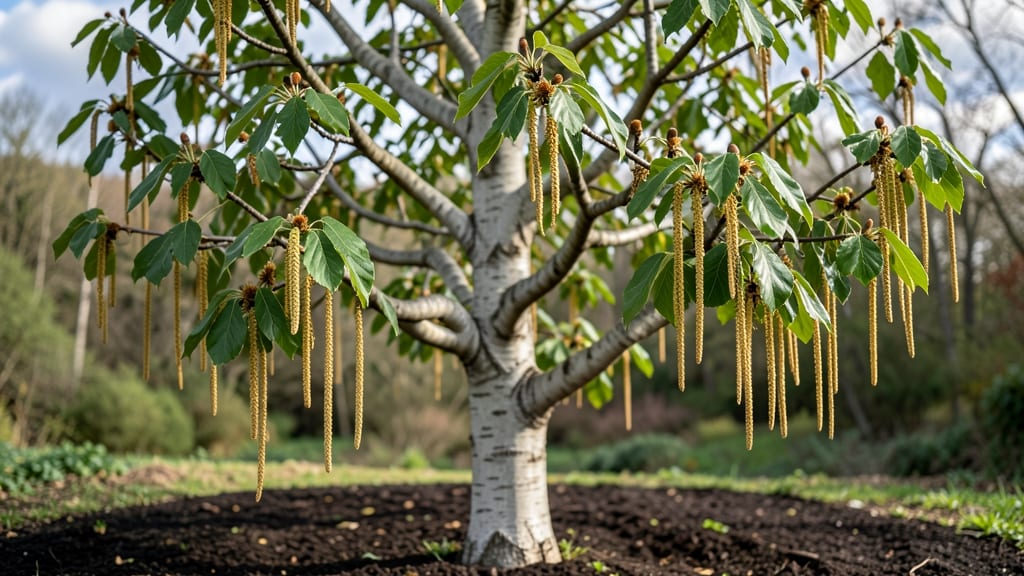
Those fuzzy, golden catkins dangling from your chestnut tree aren’t just pretty—they’re spring’s secret pollinator party. 🌿 I’ve watched bees and butterflies swarm them every April, and that’s when the magic for next year’s nuts begins.
These delicate flower clusters are the tree’s first step toward feeding your family, but most people never notice them until they’re gone.
Catkins appear before leaves in early spring, hanging like tiny golden tassels from the branches. They’re soft to the touch and release pollen that fertilizes the tree’s female flowers (which look like tiny red spikes).
Prune around them carefully—these clusters are fragile, and cutting them off means fewer nuts later. The best time to prune chestnut trees is late winter, before catkins even appear.
What makes them special isn’t just their role in fruit production—it’s how they transform the tree. After pollination, the catkins drop, leaving behind tiny green buds that’ll grow into those iconic spiky husks.
A healthy tree with strong catkin production means a bumper crop of nuts by fall. Keep an eye out for aphids, which love to feast on young catkins and weaken the tree.
If you’ve got a chestnut tree, these fuzzy flowers are your early warning system. Weak catkins mean the tree needs better care—more water, balanced fertilizer, or protection from pests. Next time you see them swaying in the breeze, think of them as nature’s promise for the harvest to come.
📚 In This Guide
- What you need
- Instructions
- Tips and common mistakes
- Wrapping up and next steps
What you need
- ● Field Guide or Plant ID App: A printed guide or smartphone app (like iNaturalist or PlantNet) to confirm chestnut tree species (e.g., Castanea genus).
- ○ Gloves (optional but recommended): Lightweight, nitrile or latex gloves to protect hands from sap or rough bark.
- ● Pruning Shears or Small Saw: Bypass pruners (for thin branches) or a hand saw (for thicker limbs). Ensure blades are sharp for clean cuts.
- ● Collecting Bag or Basket: A breathable mesh bag (to allow airflow) or a sturdy cardboard box lined with newspaper. Avoid plastic—it traps moisture!
- ● Notebook & Pen: For jotting down observations like catkin size, color, or local wildlife interactions.
- ● Dried Catkins: 1–2 cups of fully dried catkins (hang them upside-down in a paper bag for 1–2 weeks).
- ● Hot Glue Gun or Floral Wire: For creating wreaths, potpourri, or nature art.
- ○ Essential Oil Diffuser (optional): To capture the catkins’ subtle aroma—though they’re not typically used for oils, their scent can inspire springtime crafts!
- ● Timing: Visit trees in early spring (March–April in temperate zones) when catkins are fresh but not yet shed.
- ● Location Knowledge: Identify a healthy chestnut tree (look for lobed leaves and spiky husks in fall). Avoid protected parks unless permitted.
- ● Weather Check: Collect on a dry, calm day—wet catkins are heavier and harder to handle.
How to identify and care for chestnut tree catkins
Spring’s sweetest pollinator signal is here—those fuzzy, golden catkins mean your chestnut tree is waking up.
🌱 Step 1: Spot Catkins at the Right Time
Chestnut tree catkins appear in late winter to early spring, usually February through April, depending on your climate zone. Look for pendulous, yellowish-green clusters that hang from bare branches before leaves emerge. They’re often 3-6 inches long and resemble bottlebrushes—thick at the base, tapering to a fine tip.
Real talk: If you see them in summer, you’re looking at something else (maybe oak or willow). Chestnut catkins are spring-only. They’ll release pollen in waves over 2-3 weeks, so check weekly for fresh growth. The scent is subtle but unmistakable—like honey and fresh-cut grass.
☀️ Step 2: Understand Their Role in Tree Health
Catkins are the tree’s male flowers, packed with pollen to feed bees and butterflies. A healthy tree produces hundreds of catkins, so if you see fewer than expected, it might signal stress from drought, poor soil, or disease. Check the leaf buds too—if they’re sparse or shriveled, that’s your clue to adjust care.
Here’s the thing—female flowers (the spiky burrs we associate with chestnuts) appear later, around May-June, on separate branches. If your tree has no female flowers, it’s likely a male-only cultivar (like Castanea mollissima), which won’t produce nuts but still supports pollinators.
💧 Step 3: Support Catkin Development Through Watering
Catkins need consistent moisture to form properly. Water deeply once a week during dry spells in late winter/early spring (before leaves appear). Aim for 1-1.5 inches of water per session—soak the top 12 inches of soil. Use a rain gauge or trowel test: Dig down; soil should feel damp but not soggy.
Don’t overwater now. Soggy soil in cold months can rot roots before the tree wakes up. If your area gets frequent rain, skip watering entirely—catkins will still form, but the tree may produce smaller nuts later.
✂️ Step 4: Prune Strategically to Encourage Catkin Growth
Prune after catkins fall (usually May-June) to avoid removing next year’s flowers. Focus on dead, crossing, or diseased branches—cut just outside the branch collar (the swollen area where the branch meets the trunk). Use clean, sharp pruners to make 1/4-inch cuts at a 45-degree angle.
I know it seems weird, but don’t prune in fall or winter. Dormant trees lose less sap, but you’ll accidentally remove next spring’s catkin buds. If your tree has too many small branches, thin them out—6-8 main branches let sunlight and air reach the center, boosting catkin production.
🌿 Step 5: Monitor for Pests and Diseases
Watch for chestnut blight cankers (sunken, oozing wounds) or leaf miners (tiny white trails on new leaves). If you see black, tar-like spots on catkins, it’s sooty mold—a fungal hitchhiker from aphids. Treat with neem oil spray (1 tsp per quart of water) if you spot more than 10% of catkins affected.
Real talk: No treatment is perfect, but early action saves the tree. Remove heavily infested branches immediately and sterilize pruners with 70% isopropyl alcohol. Healthy catkins should turn golden-brown as they age—if they stay green and mushy, that’s a sign of overwatering or fungal rot.
Tips & tricks for perfect chestnut tree catkin care
Here’s how to turn your springtime observations into thriving tree health—without the guesswork.
Timing is Everything: The February through April window for spotting catkins is your best chance to catch them fresh. If you miss this, don’t stress—check weekly for new growth. Those 3-6 inch bottlebrush-like clusters will release pollen in waves over 2-3 weeks, so even if you spot them late, you’ll still see the full cycle. The scent (that honey-fresh-cut-grass aroma) is your secret signal they’re ready to feed pollinators.
Health Check Beyond Catkins: When you notice fewer catkins than expected, dig deeper (literally). Check leaf buds—sparse or shriveled ones mean your tree might be stressed from drought or poor soil. I’ve seen trees with hundreds of catkins one year and barely any the next, and it always traced back to winter watering habits. Think of catkins as the tree’s pollen report card—if grades are slipping, it’s time to adjust care.
Watering Wisdom: That 1-1.5 inches per week rule is non-negotiable for late winter/early spring moisture. Here’s the trick: Use a trowel to check soil dampness—it should feel like a wrung-out sponge, not a swamp. Overwatering now can rot roots before leaves even appear. And if your area gets frequent rain? Skip the hose—catkins will still form, but your tree might produce smaller nuts later as a trade-off.
Pruning Pitfalls: Never prune in fall or winter—you’ll accidentally snip next spring’s catkin buds. Wait until May-June, after catkins fall, and focus on dead or crossing branches. That 45-degree angle cut just outside the branch collar might seem fussy, but it heals faster and prevents disease. Pro tip: Thin to 6-8 main branches—this opens the tree’s center to sunlight and air, which actually boosts catkin production next season.
Pro Tips for Chestnut Tree Catkins
- Here’s how to turn your springtime observations into thriving tree health—without the guesswork.
- Timing is Everything: The February through April window for spotting catkins is your best chance to catch them fresh.
- Health Check Beyond Catkins: When you notice fewer catkins than expected, dig deeper (literally).
Frequently asked questions
about chestnut tree catkins—because spring’s sweet mysteries deserve answers!When do chestnut tree catkins appear?
Chestnut tree catkins typically emerge in late winter to early spring (February–March in most temperate zones), just before the leaves unfurl. They’re one of the first signs the tree is waking up! Watch for fuzzy, yellowish-green clusters hanging from branches—they’re hard to miss.
Are chestnut catkins good for bees and pollinators?
These catkins are a nutrient-rich early food source for bees, butterflies, and other pollinators. The pollen and nectar provide critical energy after winter. Planting chestnut trees (or native alternatives like Castanea species) supports local ecosystems—a win for gardens and wildlife!
Can I grow chestnut trees from catkins?
Nope! Catkins are reproductive structures (male flowers), not seeds or saplings. To grow a chestnut tree, you’ll need actual nuts (the spiky husks) or nursery-bought seedlings. Save those catkins for pollinator parties instead!
Why aren’t my chestnut catkins opening?
Common culprits include cold snaps, drought stress, or poor soil health. Ensure your tree gets well-draining soil and consistent moisture. If catkins shrivel or drop early, check for pests (like aphids) or fungal issues. A balanced fertilizer in early spring can also help!
What’s a good alternative if I don’t have chestnut trees?
No chestnuts? No problem! Try these catkin-loving pollinator plants:
- Willows (salicylic catkins, early spring)
- Oaks (long-lasting, bee-friendly)
- Birches (delicate, pendulous clusters)
- Hazelnuts (edible nuts + catkins)
Wrapping up and next steps
Chestnut tree catkins aren’t just a delightful spring sight—they’re a vital lifeline for pollinators and a sign of nature’s renewal. 🌿 Whether you’re admiring their fuzzy charm or learning how to support local ecosystems, every little action counts! Ready to dive deeper?
🌱 Next Steps:
- Plant a native chestnut tree—boost your garden’s biodiversity while enjoying their fragrant blooms.
- Share your discoveries—tag us in photos of catkins or pollinators visiting them!
- Explore more spring blooms—check out our guides on other pollinator-friendly plants.
Your curiosity and care make a difference—happy gardening! 🌸