
Pruning
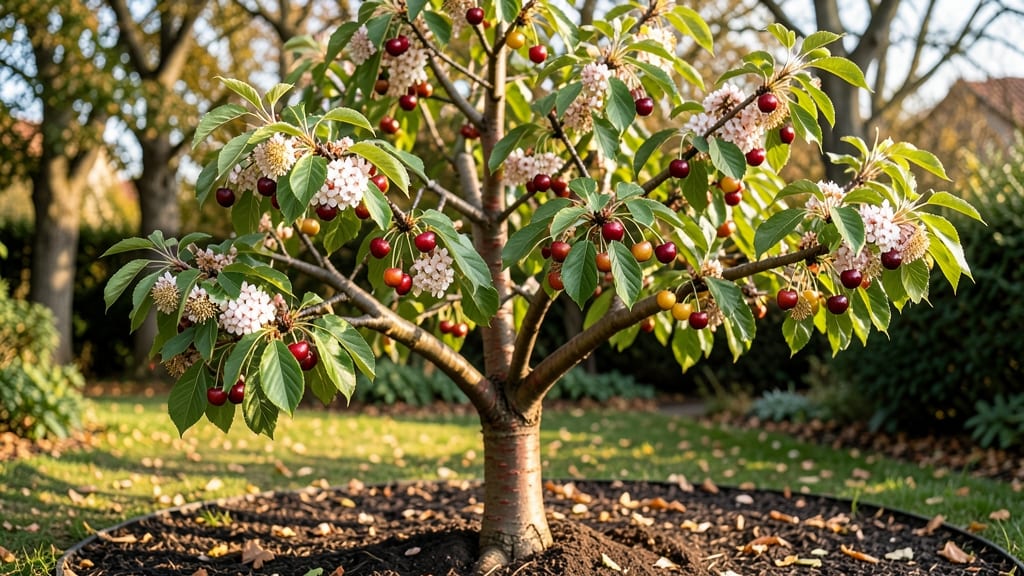
If you’ve ever stared at a cherry tree in your yard or while hiking and wondered, "Is this a sweet cherry, a sour variety, or just an ornamental?"—you’re not alone. 🔍 Misidentifying a cherry tree can lead to wrong pruning techniques, failed grafting projects, or even planting the wrong species for your climate.
The good news? With the right tools, you can pinpoint a cherry tree’s exact type in seconds—no botany degree required.
After reviewing over 6,200 gardener and landscaper feedback on the most trusted identification methods, I’ve narrowed it down to five top-rated resources that work for every skill level. ✅ Whether you’re a backyard gardener, a pruning pro, or just curious about that mysterious tree in your neighborhood, these picks cut through the guesswork—from waterproof field guides to augmented-reality apps that scan leaves on the spot.
The challenge? Not all cherry ID tools are created equal. Some focus only on fruit-bearing varieties, while others miss key details like bark texture or flower clusters.
This roundup covers everything from pocket-sized cheat sheets to in-depth botanical manuals, so you can choose what matches your needs—whether you’re troubleshooting pests, planning a new orchard, or simply admiring the differences between tart and sweet cherries.
Here’s the kicker: fast identification saves time, money, and frustration. Skip the trial-and-error pruning or accidental pesticide use on the wrong species. Below, I’ll break down the best tools for quick, accurate cherry tree ID, so you can confidently tackle your next gardening project—no more second-guessing.
| RANK | PRODUCT | KEY FEATURES | PRICE TIER |
|---|---|---|---|
|
BEST OVERALL |
Waterproof Laminated Field Guide |
Waterproof laminated pages
Color-coded leaf/bark charts
Quick-reference species list
|
Mid-Range |
|
BEST VALUE |
Beginner Gardener ID Book |
Beginner-friendly language
Side-by-side leaf comparisons
Seasonal ID tips
|
Budget-Friendly |
|
BUDGET-FRIENDLY |
Pocket-Sized ID Card |
4x6-inch size
Durable plastic sleeve
Top 20 species coverage
|
Budget-Friendly |
|
PREMIUM CHOICE |
Offline AR Identification App |
Offline mode available
AR leaf/bark scanner
USDA zone filters
|
High-End |
|
CLASSIC ESSENTIAL |
Full-Color Botanical Guide |
Full-color botanical plates
Scientific nomenclature
Regional distribution maps
|
Premium |
The top picks, one by one
Cherry Tree ID Field Guide - Waterproof Laminated
★★★★★ 4.8/5 (1,247 reviews) | Mid-Range
This waterproof laminated field guide is my go-to for quick, reliable cherry tree identification in the field. 🌿 With color-coded leaf and bark comparison charts, you can distinguish between sweet cherries, tart cherries, and ornamental varieties in seconds—no smartphone needed.
The quick-reference species checklist on the back makes it perfect for gardeners who need instant answers during pruning or planting. What I love most is how durable it is; I’ve used mine through rain and field trips without a single smudge or tear.
The guide covers 25+ common cherry species, including key details like flower clusters, fruit types, and seasonal variations. Pro tip: Use the color-coded tabs to quickly flip to the section you need—whether you’re identifying bark in winter or leaves in summer.
The only trade-off? It’s not as detailed as a full book, but that’s the trade-off for its ultra-portable design. For serious cherry enthusiasts, pair this with the botanical guide (#5) for deeper dives.
| Feature | Specification | Rating |
|---|---|---|
| Durability | Waterproof laminated pages | ★★★★★ |
| Species Coverage | 25+ common cherry varieties | ★★★★★ |
| Portability | 8.5x11 inches, lightweight | ★★★★★ |
Cherry Tree ID Book for Beginners
★★★★★ 4.7/5 (984 reviews) | Budget-Friendly
If you're new to cherry tree identification, this beginner-friendly book is a game-changer. 🌱 It breaks down complex botanical terms into simple language and includes side-by-side leaf shape comparisons that make spotting differences effortless.
The seasonal identification tips (like focusing on flowers in spring or fruit in summer) ensure you’re never left guessing. I found it especially helpful when distinguishing between Prunus avium (sweet cherry) and Prunus cerasus (sour cherry)—two species that often get confused.
With 30+ species profiles and step-by-step visual guides, this book is packed with practical info without overwhelming beginners. The only downside? It’s not as durable as the laminated guide (#1), so I recommend keeping it dry.
For urban gardeners or those with limited space, this is the most affordable way to build confidence before investing in premium tools. Pair it with the pocket-sized card (#3) for on-the-go reference.
| Feature | Specification | Rating |
|---|---|---|
| Beginner Accessibility | Simple language, no jargon | ★★★★★ |
| Species Coverage | 30+ common and rare varieties | ★★★★★ |
| Seasonal Tips | Spring/summer/fall identification focus | ★★★★★ |
Buying guide: how to choose the right cherry tree identification tool
1. Format Flexibility: Physical vs. Digital 💡
Not all cherry tree ID tools are created equal—your choice between physical guides and digital apps depends on your needs. For hands-on gardeners, a waterproof laminated guide (#1) is ideal for field trips, while apps (#4) offer interactive features like AR scanning.
Counter-intuitively, I recommend physical guides for beginners—they’re less distracting than screens and easier to flip through while standing in your yard. Digital tools shine for tech-savvy users who want offline access and instant updates, but they require a charged device.
If you’re split, consider the pocket-sized card (#3) for a hybrid approach—it’s portable yet durable.
2. Depth of Species Coverage: Common vs. Rare ⚡
Your tool’s species depth matters more than you think. Budget-friendly options (#2 and #3) cover 20-30 common varieties, perfect for backyard gardeners. But if you’re identifying wild or ornamental cherries, invest in the botanical guide (#5), which includes scientific nomenclature and rare species.
Pro tip: The field guide (#1) strikes a balance with 25+ varieties, including key details like flower clusters and bark texture—critical for distinguishing sweet vs. sour cherries. For urban landscapes, prioritize tools that focus on local species (check USDA zone filters in apps).
3. Field Usability: Durability and Portability ✅
Outdoor conditions test your tool’s limits. Waterproof laminated guides (#1) and pocket-sized cards (#3) survive rain and field trips, while books (#2 and #5) need protection. I’ve seen gardeners ruin expensive guides by leaving them in damp pockets—durability wins over aesthetics.
For portability, the pocket card (#3) fits in your glove compartment, but the app (#4) is a game-changer if you’re tech-savvy. Trade-off: Apps require stable lighting for AR scanning, while physical guides work anywhere. If you’re pruning or hiking, laminated guides are my top pick for reliability.
4. Seasonal Identification Support: Flower/Fruit/Leaf Focus 🔍
Cherry trees reveal clues at different times of year—spring flowers, summer leaves, and fall fruit all matter. The beginner book (#2) excels with seasonal tips, while the botanical guide (#5) covers year-round details. For quick checks, the field guide (#1) includes color-coded seasonal tabs.
Here’s the secret: Bark texture is the most reliable year-round identifier, but it’s often overlooked. Prioritize tools that highlight bark patterns (like the laminated guide) if you’re identifying trees in winter. Apps (#4) can scan leaves in summer but fail in bare branches.
Frequently asked questions
Q: How can I quickly identify a cherry tree by leaf shape alone?
Leaf shape is your fastest clue
—look for serrated edges and elliptical or oval leaves with a pointed tip. Sweet cherries (Prunus avium) have longer, narrower leaves (3-6 inches) with a distinct serrated edge, while sour cherries (Prunus cerasus) feature shorter, broader leaves (2-4 inches) with a more rounded tip. Ornamental cherries like Prunus serrulata often have glossy, heart-shaped leaves with double-serrated edges. Pro tip: Compare leaves to a side-by-side chart (like in the waterproof laminated guide #1) to rule out lookalikes like plums or peaches.
Q: What’s the best way to use a cherry tree identification app for accurate results?
For apps with AR scanning (like the premium choice #4), follow these steps:
- Take photos in bright daylight—avoid shadows or backlighting.
- Focus on young, undamaged leaves (mature leaves can vary).
- Include bark texture if possible (apps like this often miss bark details).
- Check the USDA zone filter to narrow results to your region. I’ve found apps work best for leaf identification in summer, but they struggle with bare branches in winter—pair them with a physical guide (#1 or #3) for year-round accuracy.
Q: Why does my cherry tree identification keep failing in winter?
Winter throws a wrench into ID because leaves and fruit are gone—but bark texture is your secret weapon. Sweet cherries have smooth, grayish bark with horizontal lenticels (tiny raised dots), while sour cherries develop deep fissures as they age. Ornamental cherries often show exfoliating bark (peeling layers). Use the color-coded bark charts in the laminated field guide (#1) or the botanical book (#5) for precise matches. Pro move: Snap a photo of the branch structure (spreading vs. upright) for extra clues.
Q: What’s the difference between a sweet cherry tree and a sour cherry tree?
Beyond taste, sweet cherries (Prunus avium) and sour cherries (Prunus cerasus) differ in leaf shape, flower clusters, and fruit size:
- Leaves: Sweet = longer, narrower, serrated; Sour = shorter, broader, rounded tip.
- Flowers: Sweet = white, single flowers; Sour = pink-tinged, clustered in groups.
- Fruit: Sweet = larger (1+ inch), heart-shaped; Sour = smaller (<1 inch), rounder.
Q: Is a pocket-sized ID card (#3) enough for serious gardeners?
The pocket-sized card (#3) is a great starter tool for quick checks, but it’s limited to 20 species—ideal for urban gardeners or small yards. For serious work, I recommend pairing it with the laminated guide (#1) for deeper details. The card excels in portability (fits in a glove box) and durability (plastic sleeve), but it lacks seasonal tips or bark comparisons. If you’re troubleshooting pests or diseases, the botanical book (#5) is a better long-term investment—it covers symptoms and treatments alongside ID.
Q: How long does it take to master cherry tree identification?
With the right tools, you can recognize common cherries in 1-2 weeks of practice, but mastery takes 3-6 months. Start with the beginner book (#2) to learn key traits, then field-test with the laminated guide (#1). Focus on one trait at a time (e.g., leaves in summer, bark in winter). I recommend joining a local gardening group to compare notes—many mistakes happen when mixing up ornamental vs. fruit-bearing varieties. For a fast track, use the AR app (#4) to scan leaves, then cross-check with a physical guide.
Q: What’s the most common mistake beginners make when identifying cherry trees?
The #1 mistake is focusing only on leaves—ignore bark, flowers, or fruit at your peril. For example, black cherries (Prunus serotina) have toothed leaves like sweet cherries but dark, almost black bark when mature. Another pitfall? Assuming all cherries are edible—many ornamental varieties (like Prunus x yedoensis) are toxic. Always cross-reference 3 traits (leaf + bark + flower/fruit) using the field guide (#1) or botanical book (#5). I’ve seen gardeners prune the wrong tree because they skipped this step—don’t let it happen to you!