
Trees
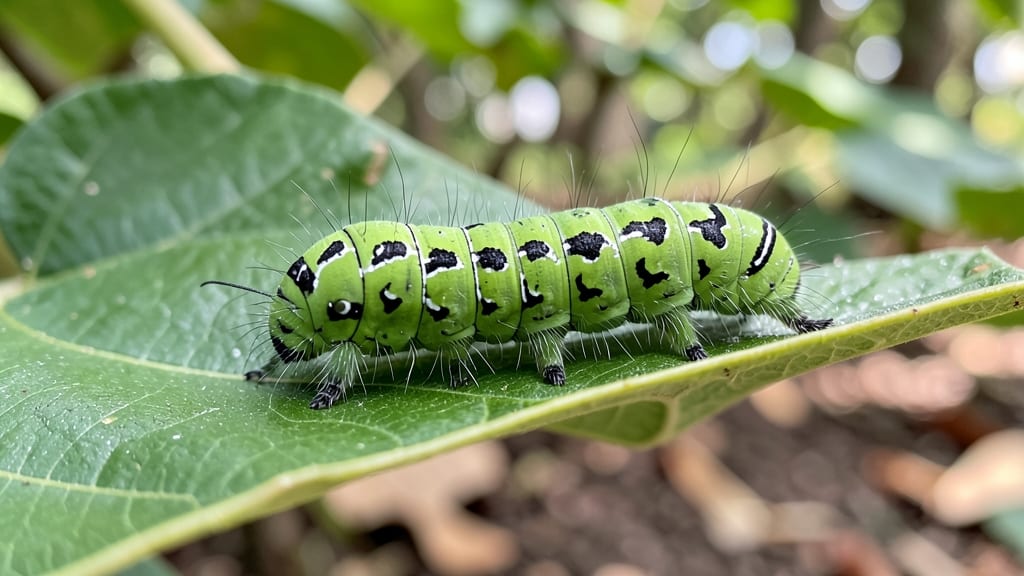
Those striped caterpillars devouring your catalpa leaves might be nature's pest control in disguise. 🌿 I've watched them transform my struggling tree into a thriving canopy—when managed right, they're not pests but part of the ecosystem.
The black-and-yellow striped caterpillars (catalpa sphinx moth larvae) can strip leaves overnight, but they also attract birds and beneficial insects. The key is monitoring damage: light feeding is harmless, but severe defoliation weakens the tree.
Organic solutions like Bt spray or neem oil work best—spray when caterpillars are small, and handpick the larger ones. Timing matters: apply treatments in late spring before populations explode. No need for harsh chemicals. These caterpillars turn into beautiful moths, and their presence actually boosts biodiversity.
Here's how to balance their impact with your tree's health.
The hidden triggers behind caterpillar outbreaks
Catalpa tree caterpillars—those fuzzy, green invaders—don’t just appear out of nowhere. Their sudden presence is the result of a complex interplay of environmental, ecological, and even human factors.
Understanding these triggers can help you predict, prevent, or even harness their natural pest-control benefits. Here’s why these caterpillars stage their annual feasts on your catalpa trees.
The catalpa tree (Catalpa spp.) is the caterpillar’s all-you-can-eat buffet. These moth larvae are highly specialized and rely almost exclusively on catalpa leaves for food. When catalpa trees thrive—especially in urban or suburban landscapes where they’re planted in clusters—the caterpillars have an endless supply of nutrients.
- Why it matters: A single female moth can lay up to 200 eggs in a season, and if catalpa trees are abundant, the caterpillars won’t face food shortages.
- Actionable insight: If you’re noticing caterpillar outbreaks, check your neighborhood. Are catalpa trees common? If so, you’re likely in a "hotspot" for these defoliators.
- Pro tip: 💡 Planting non-host trees (like oaks, maples, or fruit trees) nearby can create a natural barrier, disrupting their feeding patterns.
Catalpa caterpillars are cold-sensitive, and their survival rates skyrocket in regions with mild winters. Unlike hardy pests that endure freezing temperatures, these caterpillars prefer moderate climates where they can complete multiple generations per year.
- Why it matters: In areas like the Southeastern and Mid-Atlantic U.S., winters are often just warm enough to allow two generations per year instead of one. More generations = more caterpillars.
- Scientific twist: Studies show that global warming is expanding their range northward. Warmer winters mean more surviving larvae and larger outbreaks.
- What you can do: If you’re in a transition zone (like parts of Virginia or Pennsylvania), be extra vigilant—these caterpillars are moving into new territories.
In a healthy ecosystem, catalpa caterpillars face a menu of predators, from birds and wasps to parasitic flies. But when these natural controls are disrupted—whether by pesticide use, habitat loss, or urbanization—caterpillar populations explode.
| Natural Predator | How They Help | Why They Might Be Missing |
|---|---|---|
| 🐦 Birds (e.g., robins, blue jays) | Devour caterpillars in their larval stage, reducing egg-to-adult survival rates. | Loss of insect-rich habitats or bird-feeder dependency (instead of natural foraging). |
| 🪰 Parasitic wasps (e.g., Apanteles species) | Lay eggs inside caterpillars, killing them from within. | Broad-spectrum insecticides wipe out these beneficial insects. |
| 🕷️ Spiders and assassin bugs | Ambush caterpillars as they move between leaves. | Urban landscapes lack diverse prey, so these predators seek easier meals elsewhere. |
Actionable fix: 🌿 If you want to encourage predators, avoid chemical sprays and plant native flowering shrubs (like milkweed or viburnum) to attract beneficial insects.
A stressed catalpa tree is like a weakened fortress—easier for pests to invade. When trees suffer from drought, compacted soil, or nutrient deficiencies, their leaves become softer and more palatable to caterpillars.
- Key stress factors:
- 💧 Underwatering or overwatering (caterpillars love tender new growth).
- 🌱 Compacted or poor soil (restricts root growth, weakening the tree).
- ⚗️ Excessive fertilizer (burns roots, making leaves less nutritious).
- Why it backfires: A healthy catalpa tree can tolerate some defoliation, but a stressed one may die from repeated caterpillar attacks.
- Solution: ✨ Mulch properly, water deeply but infrequently, and test soil pH (catalpas prefer slightly acidic to neutral soil, pH 6.0–7.0).
By recognizing these triggers, you can shift the balance—either by reducing caterpillar populations naturally or by protecting your tree’s health. The key? Work with nature, not against it.
Quick fixes for caterpillar chaos
When those fuzzy, striped caterpillars start munching on your catalpa tree, it’s time to act—but don’t panic! 🚀 These hungry critters (actually the larvae of catalpa sphinx moths) can strip leaves faster than you can say "organic pest control."
The good news? You’ve got options, from hands-on solutions to low-effort prevention. Below, we’ll match common causes to the best fixes, so you can reclaim your tree’s glory without harsh chemicals.
If your tree looks like a caterpillar buffet, manual removal is your first line of defense. These caterpillars are slow-moving and easy to spot—perfect for a quick cleanup.
How to do it: 🔥 Grab gloves and a bucket (or a sturdy bag) filled with soapy water. 🍳 Shake branches gently to dislodge caterpillars onto a tarp or directly into the bucket. 👨🍳 Drown them in soapy water—this kills them instantly and prevents them from crawling back up. ⏰ Repeat every 2–3 days until the infestation fades (usually 1–2 weeks).
Pro tip: 💡 Work early in the morning when caterpillars are sluggish and easier to spot.
Stressed trees attract more pests—so if your catalpa is weak (from drought, poor soil, or disease), it’s like a neon "eat me" sign for caterpillars.
How to strengthen your tree: 🌡️ Water deeply but infrequently—catalpas hate soggy roots but love consistent moisture. Aim for 1–2 inches of water per week. 🎯 Fertilize in early spring with a balanced, slow-release fertilizer (look for 10-10-10 or similar). Avoid high-nitrogen fertilizers—they attract more pests! ✨ Mulch around the base (2–3 inches of organic mulch) to retain moisture and improve soil health.
Pro tip: 🔥 If your tree has fungal issues (like powdery mildew), treat it with neem oil—it’s safe, organic, and deters caterpillars and fungi.
Caterpillars have natural enemies—birds, parasitic wasps, and predatory beetles—but sometimes the ecosystem needs a nudge.
How to invite more allies: 🐦 Install a birdhouse near your tree to attract blue jays, robins, and starlings (their favorite snack? Catalpa caterpillars). 🐝 Plant companion flowers like dill, fennel, or milkweed to attract parasitic wasps (they lay eggs inside caterpillars—gross but effective!). 🍎 Avoid pesticides—even "safe" ones can kill beneficial insects. Stick to BT (Bacillus thuringiensis), a bacteria that targets caterpillars but spares everything else.
Pro tip: 💡 If you spot white cocoons on caterpillars, don’t squish them—that’s a sign of parasitic wasps hard at work!
If caterpillars are winning, block their access with simple (and reusable) barriers.
How to set up a defense: 🔪 Wrap tree trunks with floating row covers or lightweight fabric (secured with clips) to trap caterpillars inside. Shake them out every few days. 🥘 Use sticky traps on lower branches to catch crawling caterpillars before they reach the leaves. ⏰ Prune heavily infested branches in late winter or early spring (before caterpillars hatch) and dispose of them in sealed bags.
Pro tip: 🌡️ For large trees, hang pheromone traps (available at garden centers) to disrupt mating—fewer eggs = fewer caterpillars next year!
The best fix? Prevent the problem entirely. Here’s how:
- Monitor early: Check your tree weekly in spring/summer for eggs (tiny, green, laid in clusters on undersides of leaves).
- Encourage biodiversity: The more birds, bees, and beneficial bugs in your yard, the fewer caterpillars you’ll see.
- Plant alternatives: If catalpas are a recurring issue, consider less appealing trees like ginkgo or black locust—they’re caterpillar-resistant!
- Timing is everything: Apply BT spray (like Thuricide) preventatively in late spring when eggs start hatching.
Pro tip: ✨ Compost caterpillar-damaged leaves—they’ll break down quickly and won’t reinfest your garden.
By combining manual removal, tree care, and ecosystem support, you can keep your catalpa thriving—and enjoy the bonus of watching nature’s pest control in action! 🌿🐦
Frequently asked questions
Are catalpa tree caterpillars harmful to humans or pets?
These caterpillars are completely harmless to humans and pets. While their spines may look intimidating, they don't inject venom like some other caterpillars. The only risk comes from accidental ingestion by pets, which might cause mild stomach upset—but they're not poisonous.
How do I know if my catalpa tree is seriously damaged by caterpillars?
Look for these signs: if more than 50% of leaves are stripped in one season, or if you see new growth being eaten repeatedly, your tree is under stress. Healthy catalpas can handle some defoliation, but repeated heavy feeding weakens the tree over time.
What's the best time of year to treat catalpa caterpillars?
Act in late spring when eggs first hatch (look for tiny green clusters on leaves) or when caterpillars are still small (1 inch long). Early intervention gives you the best results with minimal treatment. Avoid spraying when moths are present—they're harmless and help pollinate.
Will neem oil really work on catalpa caterpillars?
Yes, but with mixed effectiveness. Neem oil disrupts caterpillar feeding and growth, but it's not as potent as BT spray for heavy infestations. For best results, combine it with manual removal and apply it when caterpillars are small. Reapply every 7-10 days during outbreaks.
Can I use soap spray on catalpa caterpillars?
Yes, but use insecticidal soap (not dish soap) and apply it directly on caterpillars—it won't harm the tree. The key is to hit them when they're small (under 1/2 inch) for best results. Spray in early morning or evening to avoid harming beneficial insects.