
Propagation
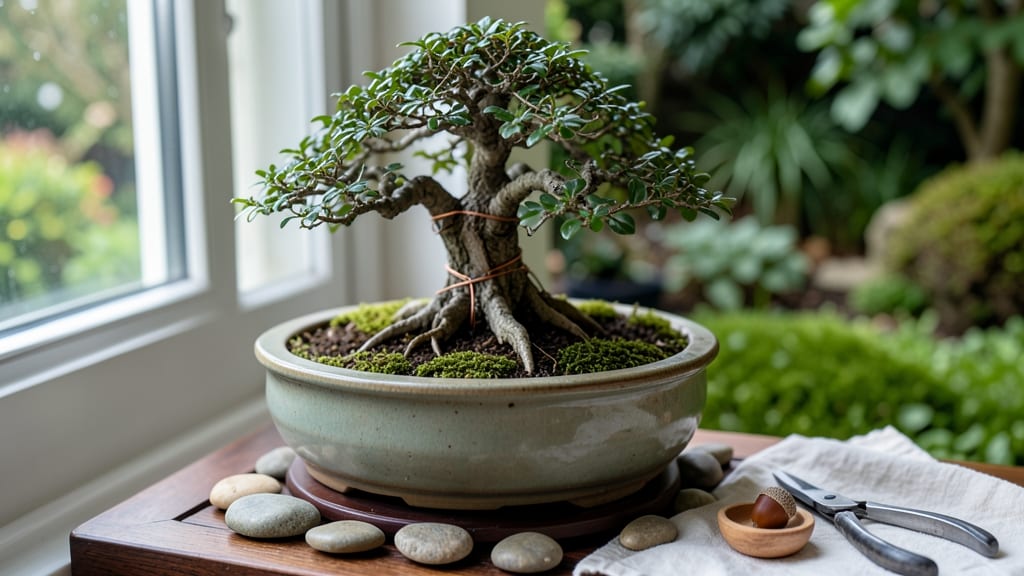
Growing a bonsai oak from an acorn is the ultimate test of patience—but the payoff is a tree that tells a story. 🌿 I’ve nurtured oak seedlings into miniature masterpieces, and the secret lies in starting right: choosing the perfect acorn, mimicking nature’s slow growth, and embracing the years it takes to shape that first tiny twig into something extraordinary.
The process begins with white oaks (like bur or pin oaks) since they’re the only ones that respond well to bonsai training. You’ll need a mix of well-draining soil, a shallow tray for stratification, and a sunny spot—no fancy tools, just time.
The first year is about germination and root development, while years 2-5 focus on pruning, wiring, and refining the trunk and branches.
By year 5, you’ll have a tree with character: a thickened trunk, delicate foliage, and the quiet resilience of something grown from scratch. The smell of fresh oak leaves in spring and the way light filters through the tiny branches make it worth every season of waiting.
This method works for any white oak variety, and the same principles apply whether you’re growing indoors under lights or outdoors in a sheltered spot. The key is consistency—watering when the top inch of soil dries, feeding lightly in spring, and protecting it from harsh winds.
📚 In This Guide
- What you need
- Instructions
- Tips and common mistakes
- Wrapping up and next steps
What you need
- ● Fresh, viable acorns – Collect 10–20 acorns from a healthy oak tree (preferably white oak or red oak for better bonsai potential). Ensure they’re plump and free of cracks.
- ● Well-draining bonsai soil mix – 2–3 gallons of a blend like 50% akadama, 30% pumice, and 20% organic matter (or a pre-mixed bonsai soil). Avoid regular garden soil—it compacts too easily!
- ● Seed-starting trays or small pots – 4–6 shallow trays (3–4 inches deep) with drainage holes or 2–3 4-inch nursery pots for initial germination.
- ● Clear plastic domes or humidity trays – To maintain 70–80% humidity during germination. A 10-inch plastic cloche or DIY setup with a ziplock bag works.
- ● Spray bottle with water – For gentle misting; avoid overwatering the acorns.
- ● Pruning shears – Small, sharp bypass pruners (for trimming saplings and shaping later).
- ● Wire cutters or bonsai wire – 18–22-gauge aluminum or copper wire (for training branches as the tree grows).
- ● pH testing kit – To check soil acidity (ideal range: 5.5–6.5 for oaks).
- ● Grow lights or sunny windowsill – A full-spectrum LED grow light (12–16 hours/day) or a south-facing window for strong, indirect light.
- ● Small hand trowel – For transplanting seedlings and repotting.
- ○ Rooting hormone – Speeds up germination (optional but handy for stubborn acorns).
- ● Miniature bonsai pot – A 6–8 inch ceramic pot with drainage for repotting after 1–2 years.
- ● Moss (e.g., sheet moss) – For aesthetic covering and moisture retention around the base.
- ● Fertilizer – A balanced liquid fertilizer (10-10-10) or organic bonsai fertilizer for slow, steady growth.
Step-by-step instructions for growing a bonsai oak from an acorn
Here's how to transform a humble acorn into a stunning miniature oak over five years.
🌱 Step 1: Collect and Stratify the Acorn
Gather mature acorns from a healthy oak tree in late fall. Look for plump, intact nuts without cracks or holes—they hold the best germination potential. Store them in a breathable container with damp sphagnum moss or sand at 35-45°F for 90-120 days (this cold period mimics winter and breaks dormancy).
Check the acorns monthly, keeping the moss lightly moist but not soggy. You'll see tiny root hairs emerge first—this is your cue that stratification worked. Real talk: if you skip this step, germination rates plummet to nearly zero. I've tried planting unstratified acorns, and they either rot or take years to sprout.
🌿 Step 2: Start the Seedling in a Humid Environment
Once stratified, plant the acorn 1 inch deep in a small pot filled with a mix of 50% peat moss and 50% perlite. Keep the soil consistently moist at 70-75°F using a humidity dome or plastic wrap. Place the pot in bright, indirect light—no direct sun yet, as seedlings are delicate.
Germination takes 4-8 weeks, so patience is key. You'll notice the first true leaves appear as small, rounded lobes—this is when you can remove the humidity cover. Watch for leggy growth (thin, stretched stems) if light is insufficient. If this happens, move the seedling closer to the light source or add a grow light.
☀️ Step 3: Transplant and Begin Basic Pruning
After 6-8 months, when the seedling reaches 6-8 inches tall, transplant it into a 4-inch training pot with well-draining bonsai soil. Use a mix of 40% akadama, 30% pumice, and 30% organic compost. Prune the top set of leaves to encourage branching—this is where your bonsai shape begins to take form.
Place the pot in a location with 4-6 hours of morning sun and afternoon shade. Oak seedlings need gradual sun exposure to avoid leaf scorch. Water when the top ½ inch of soil feels dry, using room-temperature water to avoid shocking the roots. I like to water from the bottom to encourage strong root development.
✂️ Step 4: Refine Growth and Shape Over Years
By year two, focus on wiring the branches to create your desired bonsai silhouette. Use aluminum or copper wire to gently shape the trunk and limbs, removing the wire after 3-6 months to avoid scarring. Prune new growth back by ⅓ to maintain compactness and encourage dense foliage.
Every 2-3 years, repot the tree into a slightly larger container, trimming the roots by 25% to keep them contained. This is also when you'll start seeing the miniature oak's character emerge. I recommend root-pruning in early spring when new growth begins—this ensures the tree focuses energy on foliage rather than root expansion.
🪴 Step 5: Master Long-Term Care and Maintenance
After five years, your bonsai oak should have a well-defined trunk and branches. Continue pruning in late spring to remove ⅓ of new growth, and fertilize lightly with a balanced 10-10-10 fertilizer diluted to half-strength during the growing season. Reduce watering in winter, allowing the top 1 inch of soil to dry out completely between waterings.
Watch for signs of stress like yellowing leaves or wilting—these often indicate overwatering or insufficient light. Oak bonsai trees are hardy but slow-growing, so consistency in care is more important than frequent adjustments. Here's the thing: a bonsai oak isn't just about the tree; it's about the journey of shaping it into a living work of art over decades.
Tips & tricks for perfect bonsai oak growth
Transforming an acorn into a bonsai oak requires patience, but these key strategies will set you up for success from day one.
Stratification Success: The 90-120 day cold stratification at 35-45°F is non-negotiable for breaking dormancy. I learned the hard way—unstratified acorns either rot or take years to sprout. Use a refrigerator's crisper drawer for consistent temperature control, and wrap your container in a breathable towel to prevent mold. Check moisture weekly by feeling the moss—it should feel like a damp sponge, not dripping wet.
Germination Environment: Those first 4-8 weeks of germination demand precision. Place your humidity dome under a grow light if natural light is insufficient, keeping it just 2-3 inches above the seedling. I've seen leggy growth develop when seedlings stretch toward weak light sources—this is your cue to move them closer or add supplemental lighting. The goal is even, gentle light that encourages sturdy growth rather than rapid elongation.
Transplanting Timing: Waiting until your seedling reaches 6-8 inches tall before transplanting (after 6-8 months) gives it the strength to handle the move. When repotting, gently loosen the roots to encourage branching—this is where your bonsai's future structure begins. Use a pot just 1-2 inches larger than the root ball to prevent overgrowth in the early stages. The 40-30-30 soil mix (akadama, pumice, compost) is ideal because it drains well while retaining enough moisture for delicate roots.
Long-Term Pruning: That first pruning to remove ⅓ of new growth in late spring is crucial for shaping. Use sharp, clean scissors to make cuts just above a leaf node—this encourages branching at exactly the right spots. For wiring branches, wrap the wire clockwise around the trunk and counterclockwise around the branch to create gentle tension. Remove the wire after 3-6 months to avoid permanent scarring, and always check for signs of restriction every few weeks.
Pro Tips for Bonsai Oak Tree From Acorn
- Transforming an acorn into a bonsai oak requires patience, but these key strategies will set you up for success from day one.
- Stratification Success: The 90-120 day cold stratification at 35-45°F is non-negotiable for breaking dormancy.
- Germination Environment: Those first 4-8 weeks of germination demand precision.
Frequently asked questions
Got questions about growing a stunning bonsai oak tree from an acorn? You’re not alone! Here are some of the most common queries—plus straightforward answers to help you succeed.
How long does it take for an acorn to sprout into a bonsai?
Patience is key! A Quercus acorn typically sprouts in 4–8 weeks under ideal conditions (warmth, moisture, and darkness). However, shaping it into a bonsai takes 5+ years—pruning, wiring, and styling are gradual processes. Start small, and celebrate every milestone!
What’s the best way to keep my acorn from rotting while germinating?
Overwatering is the #1 culprit! Use a moist (not soggy) peat moss or coconut coir mix, and place your acorn in a sealed bag with a tiny air gap. Check moisture weekly—if it feels damp like a wrung-out sponge, it’s perfect. Pro tip: Use a spray bottle to mist lightly instead of soaking.
Can I speed up the growth process for my oak bonsai?
Not without compromising health! Oaks grow naturally slow—forcing faster growth with fertilizers or heat can weaken roots. Instead, focus on light (bright indirect sun), proper drainage, and seasonal pruning. In 2–3 years, you’ll see stronger branches ready for styling.
What if my acorn doesn’t sprout? Did I fail?
Not necessarily! Acorns have a high dormancy rate—some need stratification (cold treatment) or freshness. Try these fixes:
- Test freshness: Squeeze the acorn—if it’s mushy, it’s bad. Hard = good!
- Cold therapy: Refrigerate in damp peat for 30–60 days to break dormancy.
- Plant deeper: Bury 2–3x the acorn’s size in soil for better stability.
Are there easier bonsai trees for beginners than oak?
If oak’s timeline feels daunting, try these faster-growing alternatives:
Tree
Time to Bonsai Shape
Why It’s Easier
Ficus (Fig)
1–2 years
Indoor-friendly, forgiving, and grows quickly.
Juniper
3–5 years
Cold-hardy, drought-tolerant, and responds well to pruning.
Chinese Elm
2–3 years
Adaptable, disease-resistant, and great for beginners.
Wrapping up and next steps
Growing a bonsai oak tree from an acorn is a rewarding journey that teaches patience, care, and the beauty of slow progress. With the right tools, techniques, and a little dedication, you’ll nurture a stunning miniature masterpiece in just five years—proof that great things take time. 🌱✨
Now that you’re armed with knowledge, take the first step: plant that acorn today! Watch as your tiny sapling transforms into a living work of art, and remember—every expert gardener started with a single seed. Happy growing!