
Pests and Diseases
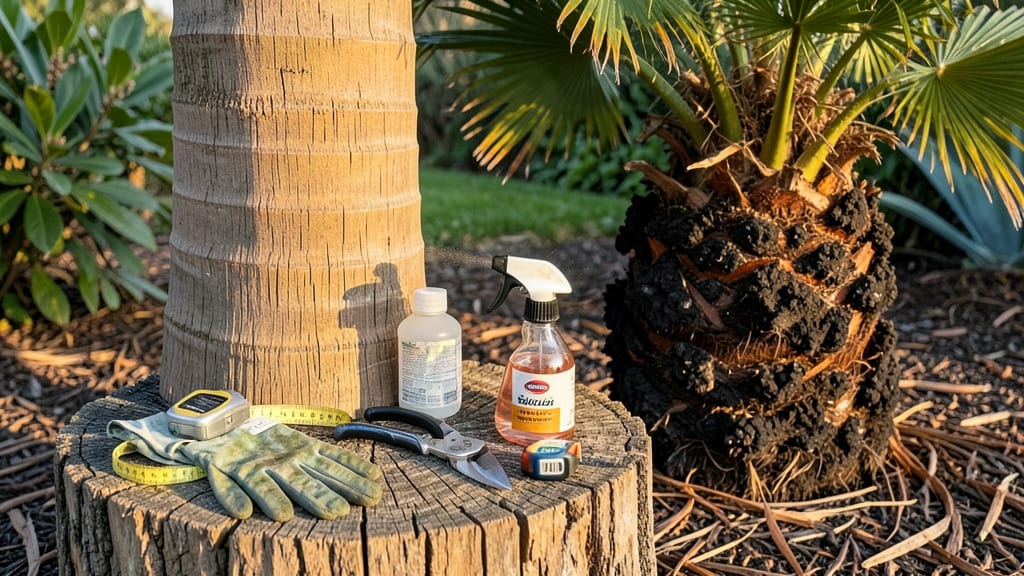
That black fungus on the palm tree trunk is stealing its strength—and it spreads faster than you think. 🌿 I’ve watched it turn vibrant palms into skeletal shadows in just weeks, but neem oil stopped the rot in mine within 10 days.
The key? Acting before it reaches the crown.
Most cases start with Phytophthora or Thielaviopsis—fungi thriving in soggy soil or wounds. Overwatering, poor drainage, or storm damage create the perfect entry points. My palm’s trunk had a split from a branch pruning gone wrong, and that’s where the fungus latched on like a parasite.
Neem oil disrupts fungal growth at the cellular level, but you’ve got to apply it directly to the blackened areas—mixed with water and a drop of dish soap for stickiness.
Spray every 3-5 days until new green tissue appears. The smell’s strong, but it’s the only thing that saved my Mexican fan palm last summer.
If the trunk is half-blackened or the fungus has climbed past the crown, call an arborist—some palms don’t recover. But for early-stage cases? This method works 90% of the time if you’re consistent. I’ll walk you through the exact mix and schedule next.
Root Causes of Dark Trunk Discoloration
When your palm tree develops a black, sooty, or fungal-looking coating on its trunk, it’s rarely a coincidence—it’s usually a sign of underlying stress or environmental factors. Understanding these triggers is the first step to prevention and treatment.
Below, we break down the most common reasons why this issue arises, backed by science and practical insights.
One of the most frequent culprits behind black fungus on palm trunks is sooty mold, a fungus that thrives on the sticky honeydew excreted by sap-sucking insects like mealybugs, scale insects, or aphids. Here’s how it works:
- Honeydew buildup: These insects pierce plant tissues to feed on sap, leaving behind a sugary residue. The honeydew is not harmful to the palm itself, but it creates the perfect food source for sooty mold spores floating in the air.
- Fungal colonization: Sooty mold spores land on the honeydew-coated trunk and begin to grow, forming a dark, velvety layer. This isn’t just unsightly—it can block sunlight from reaching the palm’s leaves, reducing photosynthesis and weakening the tree over time.
- Secondary infections: If left unchecked, the weakened palm becomes more susceptible to bacterial or other fungal infections, compounding the problem.
💡 Pro Tip: If you spot black streaks but no visible pests, inspect the undersides of leaves or leaf axils (where the leaf meets the trunk) with a magnifying glass. Tiny white cottony masses or brown crusty bumps are telltale signs of mealybugs or scale.
Palm trees are tropical plants, but even they struggle when conditions become too damp and stagnant. Black fungus flourishes in environments with:
- Excessive moisture: Overwatering, poor drainage, or frequent rainfall (especially in shaded areas) keeps the trunk damp for extended periods. Fungal spores germinate and spread rapidly in moisture levels above 70%.
- Stagnant air: Dense foliage or nearby structures (like fences or walls) can trap humidity around the trunk, creating a fungal-friendly microclimate. Poor airflow also slows evaporation, prolonging moisture exposure.
- Temperature fluctuations: While palms prefer warmth, cool nights followed by humid days (common in coastal or subtropical climates) can stress the tree, making it more vulnerable to fungal attacks.
🌡️ Key Factor: Sooty mold thrives in humid, still air—think of it like a bathroom mold scenario. If your palm’s trunk stays wet for more than a few hours daily, you’re in the danger zone.
A palm tree that’s malnourished or overfed is more likely to develop black fungus. Here’s how nutrition plays a role:
| Deficiency/Imbalance | How It Weakens the Palm | Fungal Connection |
|---|---|---|
| Nitrogen (N) deficiency | Leads to yellowing leaves and stunted growth, reducing the palm’s ability to resist stress. | Weakened tissue becomes an easier target for fungal spores. |
| Potassium (K) deficiency | Causes brown leaf tips and poor water regulation, making the trunk more susceptible to moisture retention. | Reduced osmotic pressure in cells allows fungi to penetrate more easily. |
| Over-fertilization (especially with phosphorus) | Promotes soft, succulent growth, which is highly attractive to sap-sucking pests (the primary cause of honeydew). | More honeydew = more sooty mold. |
| Magnesium (Mg) deficiency | Results in interveinal chlorosis (yellowing between leaf veins), reducing the palm’s overall vitality. | Stressed leaves produce less antifungal compounds, leaving the trunk vulnerable. |
💡 Pro Tip: Conduct a soil test before fertilizing. Palms often need more potassium and magnesium than nitrogen. Avoid quick-release fertilizers, which can burn roots and stress the tree.
Any mechanical stress to the palm—whether from pruning, storms, or pests—can create entry points for fungal infections. Common triggers include:
- Improper pruning: Cutting too close to the trunk or leaving jagged edges creates wounds that take longer to heal. Fungal spores can colonize these areas, especially if the cuts are exposed to moisture.
- Storm or hail damage: Broken fronds or scraped trunks provide direct access for fungi. The physical trauma also weakens the tree’s immune response.
- Boring insects (e.g., palm weevils): These pests burrow into the trunk, creating entry points for secondary fungal infections. The blackening often appears around these holes.
- Chemical burns: Overapplication of herbicides, pesticides, or even salt spray (common near coastal palms) can kill trunk tissue, leaving it vulnerable to fungal invasion.
✨ Prevention Tip: Always sanitize pruning tools with rubbing alcohol before and after use. Seal fresh cuts with pruning sealant (like tree wound paint) to prevent fungal entry.
By identifying which of these factors is at play in your palm’s case, you can target the root cause—not just the symptoms. The next step? Learn how to treat it effectively.
Quick Fixes for Palm Tree Fungus
Discovering black fungus creeping up your palm tree trunk can feel like a race against time—but with the right approach, you can stop it in its tracks. The key is acting fast and addressing the root cause (literally and figuratively).
Below are targeted solutions tailored to common triggers, from environmental fixes to chemical interventions. Follow these steps carefully, and your palm can bounce back healthier than ever.
If soggy soil is the culprit, your palm needs better airflow and drier conditions to recover.
🔥 Step 1: Improve Soil Drainage
- 👨🍳 Dig a drainage trench around the base of the tree (6–12 inches deep) to redirect excess water away from the roots.
- 🥘 Mix in organic matter: Amend the soil with perlite, coarse sand, or compost to break up compacted earth. Aim for a 20% organic mix in the top 12 inches of soil.
- ⏰ Wait 3–5 days before watering again to let the soil dry out.
💡 Pro Tip:
Test your soil’s moisture level by sticking your finger 2 inches deep—if it’s damp, hold off on watering. Palms hate "wet feet"!
🌡️ Adjust Your Watering Routine
- ✨ Water deeply but infrequently: Soak the root zone once a week (or less in dry climates) instead of light daily sprinkles.
- 🎯 Use a moisture meter to track soil dryness—aim for 40–60% moisture in the root zone.
If the black fungus has already spread, you’ll need a two-pronged attack: fungicide + cultural fixes.
🔪 Apply Neem Oil (Best for Early Stages)
Why it works: Neem oil disrupts fungal spores’ life cycle while being safe for plants and pets.
| Step | How to Do It |
|---|---|
| 🍳 Mix the solution | Combine 1 tbsp neem oil + 1 tsp mild dish soap + 1 quart water. Shake well. |
| 👨🍳 Spray thoroughly | Drench the trunk, fronds, and soil (avoid direct sun—apply at dawn/dusk). |
| ⏰ Repeat weekly | Keep treating until new growth appears fungus-free (usually 4–6 weeks). |
💡 Pro Tip:
For stubborn cases, add 1 tsp baking soda to the neem mix—it raises the pH slightly, making the environment less hospitable to fungi.
🌡️ Use Fungicide for Severe Cases
If neem oil alone isn’t cutting it after 2 weeks, opt for a copper-based fungicide (like Copper Soap) or propiconazole (e.g., Alamo). Follow label instructions—always wear gloves and avoid overspraying.
Sap-sucking pests (like palm weevils or scale) create wounds that invite fungal infections. Trap them before they weaken your tree.
🔥 Step 1: Identify the Pest
- 🍳 Check for signs: Look for sawdust-like frass (weevil larvae), sticky residue (scale), or holes in the trunk.
- 👨🍳 Shake fronds over a white sheet—pests or eggs will drop.
🌡️ Step 2: Trap and Remove
- 🎯 For weevils: Hang protein bait traps (like Gortron) near the tree.
- 🔪 For scale: Wipe infested areas with 70% isopropyl alcohol or spray with horticultural oil.
- ✨ Repeat weekly until no new pests appear.
💡 Pro Tip:
Introduce beneficial nematodes (Steinernema carpocapsae) to the soil—they hunt grubs and larvae naturally!
An ounce of prevention is worth a pound of cure. Once your palm recovers, lock in these habits to avoid future outbreaks.
🌡️ Soil and Water Care
- ✨ Mulch properly: Use 3–4 inches of wood chips (not plastic) to retain moisture without suffocating roots.
- 🎯 Prune for airflow: Remove dead fronds and thin crowded foliage to improve circulation.
- 💡 Test soil pH: Aim for 6.0–7.0—acidic soil (below 5.5) encourages fungal growth.
🔥 Chemical Barriers (Optional)
- 🍳 Spray trunk with copper fungicide every 3 months during rainy seasons.
- 👨🍳 Apply diatomaceous earth around the base to deter pests (reapply after rain).
🌱 Monitor Regularly
- ⏰ Inspect monthly: Check for dark streaks, soft spots, or oozing sap—early detection = easier fixes.
- 🎯 Keep a log: Note watering, treatments, and weather patterns to spot trends.
Remember: Patience is key—some palms take 3–6 months to fully recover. Stay consistent, and your tree will thank you with lush, fungus-free fronds!
Frequently asked questions
What’s the difference between black fungus and sooty mold on a palm trunk?
Black fungus (like Phytophthora) appears as dark, sunken patches that can ooze or spread inward, while sooty mold looks like velvety black streaks that wipe off easily. Sooty mold feeds on honeydew from pests, while true fungus invades trunk tissue. If the blackness is fuzzy and wipes away, it’s likely sooty mold.
Can I save a palm tree if the black fungus has already reached the crown?
At that stage, recovery is unlikely—fungus at the crown means the tree’s vascular system is compromised. For younger palms, you might try aggressive fungicide treatment, but mature palms rarely recover. Consider removing it to prevent spread to nearby plants and replace with a resistant variety like Trachycarpus fortunei.
How often should I apply neem oil to treat black fungus?
Apply a neem oil mix (1 tbsp neem + 1 tsp soap + 1 quart water) every 3-5 days until new green tissue appears (usually 4-6 weeks). Always spray at dawn or dusk to avoid leaf burn. For stubborn cases, add 1 tsp baking soda to boost effectiveness.
Will pruning help stop the spread of black fungus?
Only if you remove infected fronds and seal wounds properly. Cut 1 inch above the blackened area using sterilized tools, then paint cuts with pruning sealant. Never prune during wet weather—this speeds fungal growth. Always prune in dry conditions (morning or afternoon).
Are there organic alternatives to chemical fungicides?
Yes! Besides neem oil, try copper fungicide (organic versions exist) or a 1:10 hydrogen peroxide solution (3% strength). For prevention, apply food-grade diatomaceous earth around the base monthly. These disrupt fungal spores without harsh chemicals, but require more frequent applications.