
Planting
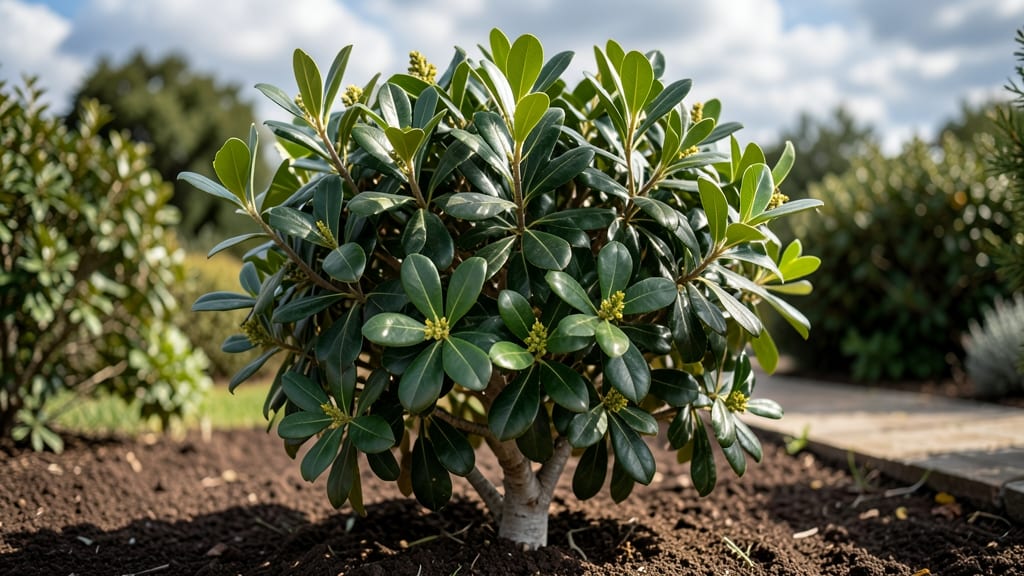
Planting a bay tree means year-round kitchen aromas and glossy leaves that never go out of style. 🌿 I’ve grown mine for five years now, and the secret to its success isn’t complicated—just the right spot, a little patience, and knowing when to step back.
Bay trees thrive in full sun to partial shade, with well-draining soil that mimics their Mediterranean roots. Too much water or shade, and you’ll end up with yellow leaves or slow growth. The good news? Once established, they’re nearly indestructible—just water when the top inch of soil feels dry.
You’ll notice the rich, piney scent as soon as you brush past the leaves, and by winter, your kitchen will smell like a Tuscan market. Pruning is minimal—just trim leggy branches in early spring to keep the shape compact and encourage bushier growth.
Indoor bay trees need bright light (a south-facing window or grow light) and occasional misting to fight dry air. Outdoors, they handle heat and drought once rooted, making them perfect for borders or containers. Here’s how to get started!
📚 In This Guide
- What you need
- Instructions
- Tips and common mistakes
- Wrapping up and next steps
What you need
- ● Bay tree plant: Choose between: Sweet bay (Laurus nobilis) – Best for culinary use 🌿
- ● California bay (Umbellularia californica) – Hardier, drought-tolerant
- ● Well-draining soil: Mix 1 part potting soil with 1 part perlite or sand (for pots) or amend garden soil with compost (for in-ground planting).
- ● Container (if potted): A 12–18-inch diameter pot with drainage holes (terracotta or ceramic works best).
- ● Organic fertilizer: A balanced 10-10-10 or slow-release granular fertilizer (follow package rates).
- ● Watering can or hose: With a gentle spray nozzle for hydration.
- ● Pruning shears: Sharp, bypass-style shears (sterilized with rubbing alcohol).
- ○ Gloves (optional): To protect hands from sap (especially for California bay, which can irritate skin).
- ● Sunlight access: A south- or west-facing spot with 6+ hours of sunlight daily (or a grow light for indoor plants).
- ○ Mulch (optional): 2–3 inches of wood chips or straw to retain moisture and regulate soil temp.
- ● Spray bottle (for indoor plants): To mist leaves and maintain humidity.
- ● 🌡️ Temperature: Bay trees thrive in USDA Zones 7–10 (indoors, keep temps above 40°F).
- ● ✨ Drainage: Never let roots sit in water—bay trees hate soggy soil!
- ● 🎯 Harvesting: Snip leaves as needed (they regrow quickly!), but avoid over-pruning young plants.
Step-by-step guide to planting and caring for a bay tree
This fragrant evergreen thrives with simple care—here’s how to grow one that stays lush and aromatic year-round.
🌱 Step 1: Choose the Right Location and Soil
Bay trees love full sun to partial shade, so pick a spot with at least 6 hours of sunlight daily. A south- or west-facing window works indoors, while outdoors, they thrive in USDA zones 7-10. Amend heavy soil with compost to improve drainage—bay trees hate soggy roots.
If planting outdoors, dig a hole twice as wide as the root ball but no deeper. Loosen the soil around the edges to encourage root spread. For containers, use a well-draining mix with 1 part sand or perlite per 3 parts potting soil. The goal is loose, airy soil that mimics their Mediterranean homeland.
🪴 Step 2: Plant and Water Thoroughly
Place the bay tree in the hole, ensuring the top of the root ball sits 1 inch below soil level. Backfill with native soil, pressing gently to remove air pockets. Water immediately after planting until moisture seeps 6 inches deep—you’ll know it’s enough when water runs out the drainage holes.
Mulch around the base with 2-3 inches of organic mulch (like wood chips) to retain moisture and regulate soil temperature. Keep mulch 3 inches away from the trunk to prevent rot. For container-grown trees, water whenever the top 1-2 inches of soil feel dry—they dry out faster in pots.
☀️ Step 3: Prune for Shape and Encourage Bushiness
Bay trees need minimal pruning, but pinching back new growth in early spring promotes fuller growth. Use clean, sharp pruners to trim just above a leaf node at a 45-degree angle. Avoid heavy pruning—bay trees respond poorly to drastic cuts and may produce fewer leaves.
Watch for leggy growth toward light sources. If stems stretch too long, prune back by one-third to encourage branching. Harvest leaves anytime by snipping stems just above a leaf pair—this stimulates new growth. Never remove more than one-third of the foliage at once.
⏰ Step 4: Maintain Year-Round Care
Bay trees are drought-tolerant once established, but they reward consistent care. Water deeply once a week in summer and reduce to every 2-3 weeks in winter. Overwatering causes root rot, so always check soil moisture before watering.
Fertilize lightly in spring with a balanced 10-10-10 fertilizer, applying half the recommended dose. Too much nitrogen leads to leafy growth at the expense of flavor. Indoor trees benefit from occasional misting to boost humidity, especially in dry climates.
🌿 Step 5: Protect and Enjoy Your Tree
Bay trees are pest-resistant, but watch for spider mites in dry conditions. Wipe leaves with a damp cloth weekly to remove dust and improve photosynthesis. In cold climates, move potted trees indoors before 32°F temperatures arrive.
Harvest leaves as needed—younger leaves are more flavorful. To dry, bundle stems and hang upside down in a dark, well-ventilated space for 2-3 weeks. Your bay tree will thrive for decades with this simple routine, filling your space with fresh, aromatic leaves year-round.
Tips & tricks for perfect bay tree planting
A few simple tricks will help your bay tree thrive for decades—here's what I've learned from years of growing these fragrant evergreens.
Light Placement: Those critical 6 hours of sunlight daily don't have to be consecutive. Split the light into morning sun (3-4 hours) and afternoon sun (3-4 hours) if needed—just avoid deep shade. I've seen bay trees in east-facing windows thrive with morning light alone, especially in cooler climates.
Soil Drainage Secret: The 1 part sand or perlite per 3 parts potting soil mix is non-negotiable for container plants. I've had bay trees drown in regular potting soil—just add a handful of perlite to existing soil if repotting. For outdoor planting, always mound soil slightly when backfilling to create a small drainage ridge around the base.
Pruning Precision: When pruning back by one-third to encourage branching, focus on the longest stems first. Make your cuts just above a leaf node at a 45-degree angle—this creates a larger surface for new growth. I always prune after the spring flush of new growth when the tree is actively growing, not in fall when it's preparing for dormancy.
Watering Wisdom: The 1-2 inches dry soil test for containers works best with your finger—not a moisture meter. Press gently: if it feels dry up to your first knuckle, it's time to water. For outdoor plants, I dig down 2-3 inches—if it's dry, water deeply until it seeps 6 inches down. Overwatering is the #1 killer of bay trees, so when in doubt, wait a day.
Pro Tips for Bay Tree Plant
- A few simple tricks will help your bay tree thrive for decades—here's what I've learned from years of growing these fragrant evergreens.
- Light Placement: Those critical 6 hours of sunlight daily don't have to be consecutive.
- Soil Drainage Secret: The 1 part sand or perlite per 3 parts potting soil mix is non-negotiable for container plants.
Frequently asked questions
Got questions about growing and caring for your bay tree plant? You're not alone! Here are some of the most common queries—plus simple answers to keep your aromatic evergreen thriving with ease.
How fast does a bay tree grow, and how big can it get?
A bay tree grows at a moderate pace, adding about 12 inches per year under ideal conditions. Left unpruned, it can reach 15–20 feet tall in the ground, but container-grown varieties typically stay between 4–6 feet. Regular pruning keeps it manageable while encouraging bushier growth. Pro tip: Prune in late winter to shape it without sacrificing next year’s foliage.
Can bay trees survive winter outdoors, or do they need protection?
Bay trees are hardy to USDA Zones 8–10, meaning they thrive outdoors year-round in mild climates. In colder zones (below 20°F), protect them with a thick layer of mulch, a frost cloth, or move potted trees to a sheltered spot. Young plants are more vulnerable—consider overwintering them indoors near a sunny window. Warning: Sudden freezes can damage leaves, but the tree often recovers.
What’s the easiest way to propagate a bay tree from cuttings?
Propagating bay trees is simple! Take 4–6 inch cuttings from healthy stems in spring or summer, strip the lower leaves, and dip the end in rooting hormone. Plant in moist potting mix (like perlite + peat), cover with a plastic bag to retain humidity, and place in bright, indirect light. Roots usually form in 4–8 weeks. Hot tip: Keep the soil consistently moist but not soggy—overwatering is the #1 killer of cuttings!
Why are my bay tree leaves turning yellow or dropping?
Yellowing leaves often signal overwatering or poor drainage. Bay trees prefer well-draining soil and hate soggy roots. Check for:
- Watering: Let the top 1–2 inches of soil dry between waterings.
- Temperature: Drafts or extreme heat/cold can stress the plant.
- Pests: Inspect for spider mites or aphids (wipe leaves with soapy water if needed).
Are bay leaves from the plant safe to use in cooking?
Fresh bay leaves from your tree are 100% edible and even more flavorful than dried ones. Use them whole in soups, stews, or teas, then remove before serving. Health note: They’re rich in antioxidants but contain myrcene—consume in moderation if you’re pregnant or on blood thinners. Fun fact: Crushed leaves repel pests like moths!
Wrapping up and next steps
Growing a bay tree plant is a rewarding way to bring year-round fragrance and elegance to your space with minimal upkeep! 🌿 Whether you’re a seasoned gardener or just starting out, this versatile plant thrives with basic care—sunlight, well-draining soil, and the occasional trim.
Its lush leaves and aromatic appeal make it a perfect addition to kitchens, gardens, or even as a low-maintenance houseplant.
Ready to enjoy the benefits? Start today by picking your favorite bay tree variety and giving it the love it deserves—your home (and senses) will thank you! 🌟