
Pruning
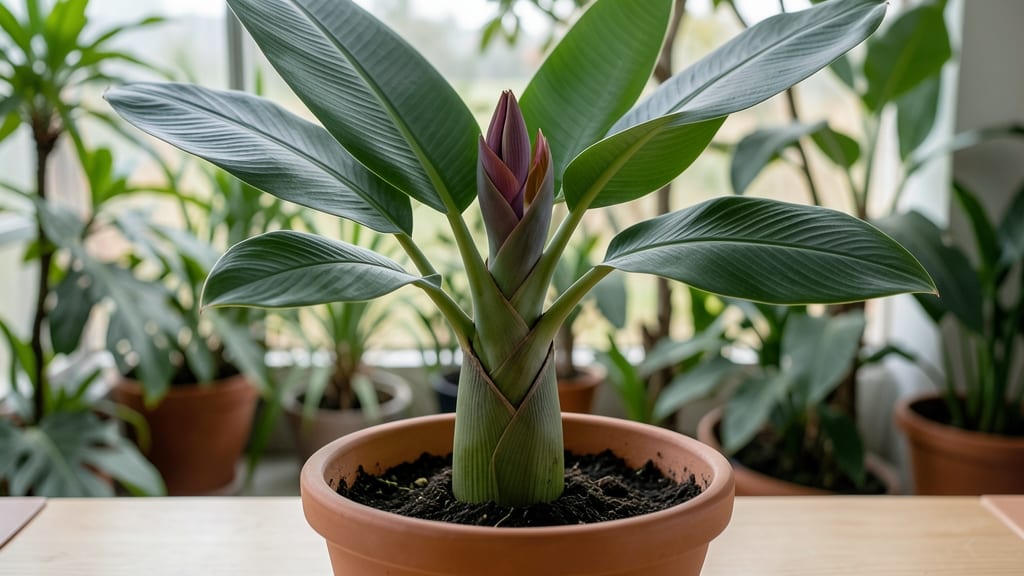
Growing a banana tree inside isn't just possible—it's a shockingly lush way to bring tropical vibes to your home. 🌿 I've wrestled with leaf drop and stunted growth until I cracked the code for dwarf varieties like 'Dwarf Cavendish,' which thrive in pots.
The key? Mimicking their jungle habitat with light, warmth, and just the right amount of pampering.
You'll need a south-facing window or grow lights (12-14 hours daily), a 10-15 gallon pot with drainage, and a well-draining soil mix of peat, perlite, and compost. Water when the top inch feels dry—overwatering kills more banana trees than anything else.
Humidity is critical: mist leaves daily or use a pebble tray to keep air moist, especially in dry climates.
With the right care, you'll see new leaves unfurl every few weeks, reaching 3-5 feet tall indoors. The real magic happens when you spot those first tiny banana buds—yes, they can fruit indoors!—though it takes patience and perfect conditions. The smell of fresh growth alone makes the effort worthwhile.
Common mistakes? Too little light causes yellowing leaves, while cold drafts stunt growth. Rotate your plant weekly for even exposure, and fertilize monthly with banana-appropriate feed during spring/summer. Even black thumbs can nail this with these adjustments—trust me, I've killed three before this one thrived.
📚 In This Guide
- What you need
- Instructions
- Tips and common mistakes
- Wrapping up and next steps
What you need
- ● Dwarf banana plant (Musa spp.) – Choose a healthy, potted sapling (3–6 inches tall) from a nursery or online retailer.
- ● 10–15 gallon container – Ensure it has drainage holes (plastic or ceramic pots work well).
- ● Well-draining potting mix – A blend of peat moss, perlite, and coconut coir (avoid garden soil—it compacts!).
- ● Slow-release fertilizer – Look for a balanced 10-10-10 NPK or a banana-specific formula.
- ● Pruning tools: Sharp bypass pruners (for clean cuts).
- ● Sterilized scissors or shears (for trimming leaves).
- ● Support stake or trellis – A 3–4 foot bamboo stake or lightweight metal trellis to guide growth.
- ● Gloves – Protect your hands from sap (which can irritate skin).
- ● Pruning sealant – Helps prevent disease after cuts (e.g., tree wound pruning paste).
- ● Humidity tray or pebble tray – Bananas love moisture! Add gravel + water under the pot.
- ● Grow lights (LED or fluorescent) – If natural light is 12–16 hours of light.
- ● pH testing kit – Aim for 5.5–6.5 pH in soil (bananas prefer slightly acidic conditions).
- ● Space – A sunny spot near a south- or west-facing window (or under grow lights).
- ● Temperature control – Keep indoors at 65–85°F (avoid drafts or AC vents).
- ● Watering routine – Be ready to water 1–2 times weekly (let soil dry slightly between waterings).
- ● Patience – Dwarf bananas grow slower indoors but can produce edible fruit in 1–2 years!
Step-by-step instructions for growing a Dwarf banana tree indoors
Here's how to cultivate a thriving dwarf banana tree in your home—no greenhouse required.
🪴 Step 1: Select the Right Variety and Container
Dwarf banana varieties like 'Dwarf Cavendish' or 'Red Dwarf' thrive indoors and stay under 6 feet tall. Choose a 15-20 gallon container with drainage holes—banana trees hate soggy roots. I use a mix of 50% potting soil and 50% perlite for excellent drainage and aeration. The container should be at least 12 inches deep to accommodate the root system.
Place a 2-inch layer of gravel at the bottom before adding soil. This ensures excess water drains away from the roots, preventing rot. If you're repotting an existing plant, do it in early spring when growth is most active. Gently remove the plant, shake off old soil, and inspect the roots for any signs of rot or pests.
☀️ Step 2: Position for Maximum Light and Warmth
Dwarf banana trees need bright, indirect light for at least 6-8 hours daily. A south- or west-facing window is ideal, but if natural light is insufficient, supplement with a grow light positioned 12-18 inches above the plant. Keep the temperature between 65-85°F—banana trees are tropical and won’t tolerate drafts or cold windows.
Rotate the pot quarter-turn weekly so the tree grows evenly. You’ll notice leaves leaning toward the light? That’s your cue to adjust the position. If leaves yellow or drop, it’s often a sign of low light or overwatering. Watch for new growth near the top—this means your plant is happy and thriving.
💧 Step 3: Water Deeply and Maintain Humidity
Water when the top 2-3 inches of soil feel dry to the touch. Stick your finger in the soil—if it’s damp past your first knuckle, wait another day. Banana trees need 1-2 gallons of water weekly, depending on humidity and light. Always water at the base, avoiding the leaves to prevent fungal diseases like black leaf spot.
Mist the leaves 2-3 times weekly or use a pebble tray with water to maintain 60-70% humidity. If the air in your home is dry (common in winter), consider a small humidifier near the plant. Brown leaf tips are a classic sign of low humidity—increase misting immediately to revive the plant.
✂️ Step 4: Fertilize and Prune for Healthy Growth
Feed your banana tree with a balanced liquid fertilizer (10-10-10) every 4-6 weeks during spring and summer. Cut back to every 8-12 weeks in fall and winter when growth slows. I dilute the fertilizer to half-strength to avoid burning the roots—banana trees are heavy feeders but sensitive to over-fertilization.
Prune yellow or dead leaves as soon as you spot them. Use sterilized pruning shears to make clean cuts just above a leaf node. If the plant outgrows its space, you can trim back leggy stems by one-third to encourage bushier growth. Just don’t prune more than 20% of the foliage at once—this can shock the plant.
🌱 Step 5: Encourage Flowering and Fruit (If Desired)
To promote flowering, provide consistent warmth (75-85°F) and bright light. If your tree is mature (3+ years old), it may produce a flower spike—this is your reward for patience! Once the flower blooms, small banana hands will form. Harvest when the fruit is firm but still slightly green—they’ll ripen off the plant in 5-7 days at room temperature.
Here’s the thing—indoor banana trees rarely fruit unless given ideal conditions. Don’t stress if yours doesn’t bloom. Focus on keeping the leaves lush and green, and you’ll have a stunning tropical centerpiece year-round. If you’re lucky enough to get fruit, enjoy it fresh or use it in smoothies—just don’t expect a full harvest like an outdoor tree.
Tips & tricks for perfect indoor Dwarf banana tree care
Here’s what nobody tells you about keeping your tropical plant thriving in tight spaces.
Light Optimization: That 6-8 hours of bright, indirect light is non-negotiable, but don’t assume your window qualifies. Test your spot by placing a piece of paper on the windowsill—if it gets hot after 2 hours, your banana tree will scorch. For north-facing windows, supplement with a LED grow light on a timer to mimic natural daylight cycles. I keep mine running for 12 hours daily in winter to prevent leggy growth.
Soil Science: The 50% potting soil/50% perlite mix is genius because it mimics the tree’s natural, well-draining tropical environment. Pro tip: Add a handful of orchid bark to the mix for extra aeration—banana roots need oxygen as much as water. And always use a container with drainage holes; soggy roots are the #1 killer of indoor banana trees.
Humidity Hacks: Those brown leaf tips aren’t just ugly—they’re a cry for help. If your home’s humidity drops below 60%, group your banana tree with other tropical plants near a pebble tray or use a small humidifier on low setting. For a budget fix, place the pot on a tray of wet pebbles and top up daily—just don’t let the pot sit in standing water.
Fertilizer Strategy: The half-strength 10-10-10 rule works, but timing matters. I fertilize right after watering to prevent root burn, and always flush the soil with plain water every 3 months to remove salt buildup. In winter, skip fertilizing entirely—your tree’s growth slows naturally, and overfeeding can harm it.
Pro Tips for Banana Tree Inside
- Here’s what nobody tells you about keeping your tropical plant thriving in tight spaces.
- Light Optimization: That 6-8 hours of bright, indirect light is non-negotiable, but don’t assume your window qualifies.
- Soil Science: The 50% potting soil/50% perlite mix is genius because it mimics the tree’s natural, well-draining tropical environment.
Frequently asked questions
Got questions about growing a banana tree inside? You’re not alone! Here are answers to the most common queries—from pruning to placement—to help your dwarf banana thrive in compact spaces.
Can I grow a banana tree indoors year-round?
Yes! Dwarf banana varieties like Musa acuminata 'Dwarf Cavendish' adapt well to indoor life, but they need bright, indirect light (e.g., a south- or west-facing window). Supplement with a grow light 12–14 hours daily in winter. Expect slower growth than outdoors, but with proper care, they can live for years.
How often should I prune my indoor banana tree?
Prune only when necessary: Remove dead or yellowing leaves with clean scissors, and trim back overgrown fronds to maintain shape. For flowering stems (if they appear), cut them off at the base—they’re energy-draining and rare indoors. Focus on airflow and light exposure to encourage healthy regrowth.
What’s the best temperature for an indoor banana tree?
Keep temperatures between 65–85°F (18–29°C). Avoid drafts (like AC vents) or cold windowsills below 60°F (15°C), which can shock the plant. Humidity is key—aim for 50–70%. A pebble tray with water or a humidifier works wonders in dry climates.
Can I grow a banana tree in a small apartment?
Dwarf varieties thrive in 5–10 gallon pots and do well on balconies, patios, or even sunny corners. Just ensure the pot has drainage holes and use a well-draining mix (e.g., 60% potting soil, 30% perlite, 10% compost). Rotate the pot weekly for even growth.
Why are my banana tree’s leaves turning yellow?
Yellow leaves usually signal overwatering, underwatering, or nutrient deficiency. Check the soil—it should stay evenly moist but not soggy. Adjust watering (every 1–2 weeks, depending on humidity) and fertilize monthly with a balanced liquid fertilizer (e.g., 10-10-10) during spring/summer.
Can I propagate my indoor banana tree?
Yes! Once your tree reaches 3–4 feet tall, look for "pups" (baby shoots) at the base. Gently separate a pup with its own roots, pot it in fresh soil, and keep it humid until established. This is the easiest way to expand your banana collection without buying new plants!
Wrapping up and next steps
Growing a banana tree inside is totally doable—even in small spaces! With the right dwarf variety, proper pruning, and a little TLC, you’ll enjoy lush foliage and sweet fruit without sacrificing square footage. Remember, patience and consistency are key, so don’t rush the process.
Ready to transform your home? Start by picking a sunny spot, gathering your supplies, and giving your banana tree the love it deserves. Soon, you’ll be harvesting homegrown bananas or simply admiring its tropical beauty—one leaf at a time! 🌱✨