
Pruning
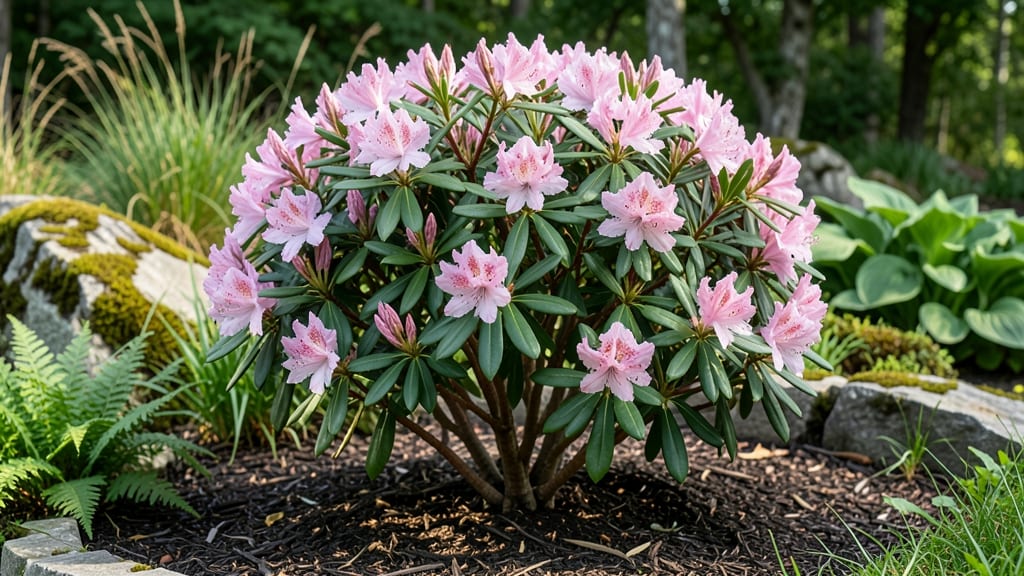
Your azalea tree outside blooms like a dream when you prune it right—year-round care keeps it healthy and stunning. 🌸 I learned the hard way that timing matters: prune after blooms fade in early summer, but never cut back into old wood.
The goal is to shape without sacrificing next year’s flowers.
You’ll need sharp pruners, a ladder (for taller trees), and a clear day to avoid stressing the plant. Focus on removing dead branches first, then thin out crowded growth to improve airflow. Azaleas reward patience—each careful cut encourages stronger blooms and a fuller shape.
After pruning, your tree will bounce back with fresh new growth within weeks. The flowers return bigger and brighter, and pests like spider mites stay away from the open canopy. It’s the secret to azaleas that look effortless but are actually thriving.
Works for all azalea types, from dwarf varieties to towering shrubs. Just adapt the approach to your tree’s size and growth habit. Let’s get those blooms popping!
📚 In This Guide
- What you need
- Instructions
- Tips and common mistakes
- Wrapping up and next steps
What you need
- ● Pruning shears: Bypass pruners (for clean cuts on small branches, 5–7 inches long, sharp and rust-resistant).
- ● Loppers: Bypass or anvil type (for thicker branches, 12–18 inches long, with a comfortable grip).
- ● Hand saw: Pruning saw (for stubborn, thick branches, with a fine-tooth blade for precision).
- ● Rubbing alcohol (70% isopropyl): Small bottle (for sterilizing tools between cuts to prevent disease).
- ● Garden gloves: Heavy-duty, cut-resistant (to protect hands from thorns and sharp branches).
- ● Disposable pruning bags or bucket: Medium-sized (for collecting trimmings and debris).
- ● Pruning sealant: Wound dressing (for large cuts—though many experts argue it’s unnecessary for azaleas!).
- ● Ladder or step stool: Stable and tall enough (if your azalea is over 6 feet).
- ● Marking spray or twine: For mapping out cuts (if you’re planning a major reshaping).
- ● Camera or phone: With good lighting (to take before/after photos—because progress is worth celebrating!).
- ● Know your azalea type: Evergreen vs. deciduous (pruning timing differs slightly!).
- ● Check the weather: Choose a calm, dry day (avoid pruning after rain or in extreme heat).
- ● Gather safety gear: Sunglasses and long sleeves (to shield from sun and scratches).
- ● Review your pruning goals: Shape, size, or bloom encouragement? Sketch a rough plan if needed!
How to prune an azalea tree for year-round health and blooms
Pruning isn't just about shaping—it's about keeping your azalea thriving for decades. Here's the seasonal approach I use to keep mine lush and blooming reliably.
✂️ Step 1: Prune Immediately After Flowering (Late Spring)
This is the most critical time—wait until all flowers have faded and new growth appears. Azaleas bloom on last year's wood, so pruning too early removes next year's buds. Use clean, sharp pruners to make cuts at a 45-degree angle just above a leaf node or outward-facing bud.
Focus on removing 1/3 of the oldest wood first. These are the branches that produced this year's flowers. You'll see them as thicker stems with fewer leaves. This opens the center for better airflow and light penetration, which prevents fungal issues. I always prune on a dry morning to reduce sap flow and stress on the plant.
🌿 Step 2: Light Summer Maintenance (Mid-July)
After the initial spring pruning, check your azalea in mid-July for any dead, diseased, or crossing branches. These are the ones that can choke growth or harbor pests. Remove any branches that grow straight up—they'll never get enough light and become weak.
For new growth that looks leggy or overly crowded, trim back by 1/4 to 1/3 of its length. You'll know you've done it right when you can see light reaching the inner branches. This summer trim encourages a fuller shape while preventing next year's blooms from being shaded out.
⏰ Step 3: Fall Cleanup (November)
As temperatures drop below 50°F but before hard frost, do a final check for any weak, damaged, or overcrowded branches. Azaleas enter dormancy in fall, so this is your last chance to shape before winter. Remove any branches that haven't leafed out properly—they won't recover.
I like to step back and look at my azalea from all sides. If one side looks sparse, I'll make small cuts to encourage more growth there next season. Avoid heavy pruning now—you want the plant to harden off properly for winter. Just tidy up the shape and remove any dead wood that might harbor pests over winter.
☀️ Step 4: Winter and Early Spring Checks (February-March)
This isn't about heavy pruning—just monitoring. Check for winter damage like broken branches or frost cracks. If you see any dead wood, remove it immediately, but don't prune for shape until after blooming. Azaleas are sensitive to late winter pruning because they're already preparing for their spring flush of growth.
If you notice any branches with mushroom-shaped buds (flower buds), leave them alone. These are next year's blooms forming now. The only pruning I do in winter is removing any branches that died back from frost. I wait until late March before doing any shaping cuts, when the plant is actively growing again.
Tips & tricks for perfect azalea tree pruning
Keeping your azalea thriving through all seasons takes more than just a pair of pruners—it's about timing, technique, and understanding what your plant truly needs. Here's what I've learned after years of pruning mine.
Timing is Everything: In Step 1, when you're pruning after flowering, wait until you see at least 50% of the flowers have dropped and new growth appears. I can't stress this enough—pruning too early removes next year's blooms. Look for those small, green leaves starting to form along the branches. This is your cue that the plant has already set its buds for next spring.
The 45-Degree Angle Matters: When making cuts in Step 1, that 45-degree angle isn't just for looks—it's about directing water away from the cut. Make your cut just above an outward-facing bud or leaf node. This creates a natural shield that prevents water from pooling on the cut, which can lead to rot. Think of it like creating a tiny roof that keeps the rain off the wound.
Seasonal Shape Check: During your mid-July maintenance (Step 2), step back and look at your azalea from all sides. If one side looks sparse, make small cuts to encourage more growth there. I like to imagine I'm creating a balanced silhouette—like giving my azalea a natural haircut that works with its growth patterns. This is your chance to shape it while still allowing light to reach all parts of the plant.
Winter Monitoring: In Step 4, when checking for winter damage, look for branches that are completely brown and brittle—these are dead and should be removed immediately. But here's the key: don't confuse dormant branches with dead ones. Healthy azaleas go dormant in winter and may look brown but will leaf out in spring. Only remove branches that are truly dead—you'll know because they won't have any green buds or show any signs of life when you scratch the bark.
Pro Tips for Azalea Tree Outside
- Keeping your azalea thriving through all seasons takes more than just a pair of pruners—it's about timing, technique, and understanding what your plant truly needs.
- Timing is Everything: In Step 1, when you're pruning after flowering, wait until you see at least 50% of the flowers have dropped and new growth appears.
- The 45-Degree Angle Matters: When making cuts in Step 1, that 45-degree angle isn't just for looks—it's about directing water away from the cut.
Frequently asked questions
Got questions about keeping your azalea tree outside thriving? You’re not alone! Here are answers to the most common concerns—from timing to troubleshooting—so your blooms stay stunning year-round.
When is the best time to prune an azalea tree outside?
Prune your azalea right after flowering (late spring to early summer). This ensures you don’t cut off next year’s buds, which form on old wood. Avoid pruning in fall or winter, as cold stress can harm the tree.
Can I prune my azalea tree in winter?
No—never prune azaleas in winter! Cold temperatures stress the tree, and dormant buds are already set for spring blooms. If you must shape lightly, wait until early spring (before buds swell), but avoid heavy cuts.
How do I fix over-pruned azaleas with no blooms?
If your azalea skipped blooms, it may have been pruned too late or too aggressively. Don’t panic! Focus on light maintenance pruning next season and fertilize with acid-loving plant food in early spring. Patience helps—healthy growth returns in 1–2 years.
Are there azalea alternatives that require less pruning?
Yes! If pruning feels overwhelming, try evergreen azaleas (like Rhododendron ‘Catawbiense’) or dwarf varieties (e.g., Rhododendron ‘PJM’). These need minimal shaping and still deliver gorgeous blooms with far less effort.
Why are my azalea leaves turning yellow after pruning?
Yellow leaves often signal over-pruning or nutrient stress. If cuts were too severe, the tree may struggle to recover. Check soil pH (azaleas love acidic soil, pH 4.5–6.0) and fertilize with iron or sulfur if needed. Water deeply to help roots recover.
Wrapping up and next steps
Transforming your azalea tree outside into a stunning, well-shaped beauty is totally within reach—just follow the right timing, techniques, and tools! 🌸 Pruning year-round keeps your tree thriving, blooming, and full of life, while also preventing pests and diseases.
With patience and practice, you’ll master the art of sculpting your azalea into a showstopper.
Now that you’re armed with the shape secrets, grab those pruners and get to work! Start with a small section this weekend—confidence grows with every snip. Happy pruning! 🌿