
Pruning
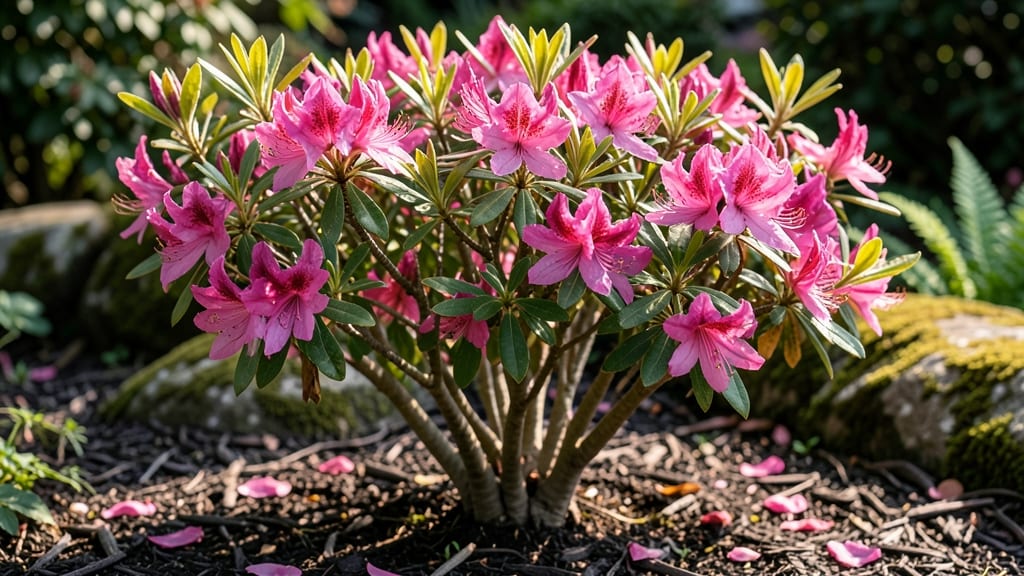
The azalea tree height can vary dramatically—from dwarf varieties perfect for containers to towering specimens that become garden focal points. 🌸 I’ve watched mine grow from a foot-tall sapling to a 12-foot beauty, and the difference comes down to choosing the right type for your space and climate.
Some varieties, like the dwarf Enchantment series, max out at 3-5 feet, perfect for foundation plantings or small gardens. Others, such as the Southern Indica, can reach 10-15 feet if left unchecked.
Sunlight, soil acidity, and watering habits also play a role—too much shade or alkaline soil stunts growth, while ideal conditions let them thrive. Pruning in late winter or early spring keeps them manageable. A sharp cut back by one-third encourages bushier growth, and regular trimming prevents leggy stems.
The result? A perfectly proportioned azalea that fits your landscape without overpowering it. Whether you’re planning a hedge, a specimen plant, or a container display, the right variety and a little pruning know-how make all the difference. Let’s find the perfect fit for your garden!
📚 In This Guide
- What you need
- Instructions
- Tips and common mistakes
- Wrapping up and next steps
What you need
- ● Pruning shears: Bypass pruners (for small branches, ¼"–½" thick)
- ● Loppers: For medium branches (½"–1½" thick), long-handled (24-30") for taller varieties
- ● Pruning saw: For thick branches (1½"+ thick), curved-tooth blade to avoid tearing
- ● Garden gloves: Cut-resistant, long-cuffed (e.g., Mechanix or heavy-duty leather) to protect hands
- ● Disinfectant (70% isopropyl alcohol or bleach solution): 1 part bleach to 9 parts water to sterilize tools between cuts
- ○ Pruning sealant (optional but helpful): Tree wound dressing (e.g., Tanglefoot Tree Wound Pruning Seal) for large cuts
- ● Ladder or step stool: Sturdy, non-slip (e.g., 20-24 ft extension ladder for giants; 3-4 ft stool for dwarfs)
- ● Heavy-duty trash bags: For collecting pruned branches (10-20 gallon size)
- ● Water hose or bucket: To clean tools and rinse off sap
- ● Hand pruners (for fine trimming): Anvil-style for tiny twigs (⅛" thick)
- ● Pole saw: For high branches in giant azaleas (10-15 ft)
- ● Safety goggles: To protect eyes from debris
- ● Work vest or apron: With pockets for tools and gloves
- ● Plant food (balanced fertilizer): 10-10-10 or acid-loving formula (e.g., Miracle-Gro Azalea, Camellia, & Rhododendron Food) post-pruning
- ● Mulch (pine bark or pine straw): 2-3 inches thick to retain moisture and acidity
- ● Know your azalea variety: Research height ranges (e.g., Dwarf: 'George L. Taber' (3 ft), Giant: 'Birkwood' (12 ft))
- ● Choose the right time: Prune after flowering (late spring to early summer) or early spring before buds swell
- ● Check weather: Avoid pruning during rain or extreme heat (ideal: mild, overcast day)
- ● Safety first: Wear closed-toe shoes and avoid working alone on tall trees
How to choose and maintain azaleas by height
Azaleas offer stunning variety—from compact shrubs to towering trees—each with unique care needs. Here's how to select and cultivate them based on their mature height.
🌿 Step 1: Select the Right Variety for Your Space
Dwarf azaleas like 'Little Jim' or 'P.J.M.' stay under 3 feet tall, perfect for foundation plantings or container gardens. These varieties thrive in full sun to partial shade and require 3-4 hours of morning sunlight to prevent leaf scorch. Measure your space first—dwarf types need at least 2 feet of clearance on all sides for airflow and sunlight penetration.
Medium-height azaleas (4-6 feet) such as 'Girard's Pink' or 'Hino Crimson' strike a balance between impact and manageability. Plant these 10-15 feet from sidewalks or structures to allow for natural spread while keeping them accessible for pruning. These varieties often bloom more prolifically than their dwarf counterparts, so position them where you can enjoy their fragrance up close.
🪴 Step 2: Prepare the Planting Site Based on Mature Height
Dig a hole twice as wide as the root ball but only as deep as the container's base—azaleas hate being buried too deep, which can suffocate roots. For dwarf varieties, amend the native soil with 2-3 inches of organic mulch (like pine bark) to mimic their acidic, well-draining forest-floor habitat. Medium and large azaleas need 4-6 inches of mulch to regulate soil temperature and retain moisture.
Test your soil's pH—azaleas demand acidic conditions (4.5-6.0). If your soil tests higher, mix in sulfur or peat moss before planting. For container-grown specimens, use acidic potting mix (pH 5.0-5.5) and water with rainwater or distilled water to avoid alkalinity buildup from tap water.
☀️ Step 3: Provide Light and Spacing for Optimal Growth
Place dwarf azaleas in morning sun with afternoon shade—they tolerate 4-6 hours of direct light but avoid the intense afternoon rays that can bleach petals. Medium and large varieties can handle 6-8 hours of sun, especially in cooler climates. Watch for yellowing leaves or leaf drop—this signals too much sun exposure, and you'll need to relocate or provide afternoon shade.
Space dwarf azaleas 3-4 feet apart in groups of 3-5 for a full, layered look. Medium varieties need 5-6 feet of spacing, while large azaleas (8-10 feet or taller) should be planted 10-12 feet apart to prevent root competition. Prune immediately after flowering to shape the plant and encourage next year's blooms—never prune in late summer, as new growth won't harden off before winter.
✂️ Step 4: Prune and Maintain for Height Control
Prune dwarf azaleas lightly in late spring to remove dead or crossing branches. Use clean, sharp pruners to make cuts just above a leaf bud or lateral branch. Avoid heavy pruning—dwarf varieties bloom on old wood, so aggressive cuts reduce next year's flowers. Medium and large azaleas can tolerate moderate pruning to maintain height, but never remove more than one-third of the plant in a single season.
Fertilize dwarf azaleas with acid-loving plant food in early spring and again after blooming. For larger varieties, apply slow-release granules in a 6-inch ring around the drip line. Over-fertilizing causes excessive leaf growth at the expense of flowers, so follow package rates precisely. Water deeply once a week during dry spells, ensuring the soil stays evenly moist but not soggy—azaleas hate "wet feet."
⏰ Step 5: Winter Care for Different Height Classes
Mulch dwarf azaleas with 3-4 inches of pine straw or shredded bark in late fall to insulate roots from freezing temperatures. Medium and large varieties need 4-6 inches of mulch, especially in colder zones. Avoid piling mulch against the trunk—keep it 2-3 inches away to prevent rot. Water azaleas sparingly in winter unless temperatures drop below 10°F, when a deep soak prevents root desiccation.
Young azaleas of any height benefit from winter protection in their first few years. Wrap the canopy with burlap or frost cloth if your zone experiences sub-zero temperatures. Remove protective materials in early spring before new growth begins. Watch for bud swell in late winter—this is your cue that the plant is breaking dormancy and needs consistent moisture to support new growth.
Tips & tricks for perfect azalea height management
Between us, these height-specific insights will help you avoid the most common growing mistakes that turn beautiful azaleas into frustrating shrubs.
Light Exposure Secret: The 3-4 hours of morning sunlight for dwarf varieties is non-negotiable—this prevents the dreaded leaf scorch that turns vibrant foliage into sad, brown patches. Medium and large azaleas can handle more sun, but always monitor for yellowing leaves as your early warning system. I've seen gardeners overcorrect by moving plants to full shade, which actually weakens their structure and reduces blooms. Position them where they get their required sunlight but with afternoon relief.
Spacing Strategy: That 3-4 foot spacing for dwarf azaleas might seem generous, but it's what creates that lush, layered look you see in professional gardens. When planting in groups of 3-5, stagger them slightly to maximize airflow between plants. For medium varieties, the 5-6 foot spacing prevents root competition that leads to stunted growth and fewer flowers. I once planted medium azaleas too close together, and within two years, they were fighting for nutrients like siblings in a small apartment.
Pruning Precision: Late spring is your only window for pruning dwarf azaleas, and you must cut just above a leaf bud to maintain their compact shape. I learned this the hard way after over-pruning and ending up with sparse blooms the following year. For larger varieties, never remove more than one-third of the plant—this keeps their natural shape while encouraging new growth. Always prune immediately after flowering to give the plant time to prepare for next year's blooms before winter sets in.
Winter Protection: The 3-4 inches of mulch for dwarf varieties might seem like a lot, but it's what keeps their roots from freezing in winter. For medium and large azaleas, that 4-6 inches becomes even more critical. I've seen gardeners skip proper mulching, only to have their azaleas struggle to recover in spring. And remember, keep that mulch 2-3 inches away from the trunk—piling it against the base causes rot that can kill your plant.
Pro Tips for Azalea Tree Height
- Between us, these height-specific insights will help you avoid the most common growing mistakes that turn beautiful azaleas into frustrating shrubs.
- Light Exposure Secret: The 3-4 hours of morning sunlight for dwarf varieties is non-negotiable—this prevents the dreaded leaf scorch that turns vibrant foliage into sad, brown patches.
- Spacing Strategy: That 3-4 foot spacing for dwarf azaleas might seem generous, but it's what creates that lush, layered look you see in professional gardens.
Frequently asked questions
Got questions about keeping your azalea tree at the perfect height—or troubleshooting growth issues? Here are some of the most common queries from gardeners just like you!
What’s the fastest way to control an azalea tree’s height?
Prune your azalea right after flowering (late spring to early summer) to encourage compact growth. Use clean, sharp shears to cut back 1/3 of the new growth—this prevents legginess and keeps the tree lush. Pro tip: Avoid heavy pruning in fall or winter, as it can stress the plant.
How tall can a giant azalea (like ‘Oconee’) grow if left unpruned?
Giant azaleas, such as Rhododendron ‘Oconee’, can reach 10–15 feet tall (and up to 20 feet in ideal conditions!) if unpruned. They thrive in woodland settings but may overwhelm small gardens. For height control, prune annually to shape or limit growth.
Will cold weather stunt my azalea’s height growth?
Cold-hardy azaleas (like Rhododendron ‘Girard’s Pink’) may grow slower in colder climates, but they won’t permanently stunt unless exposed to extreme frost damage. Focus on mulching (3–4 inches of organic matter) and watering deeply in fall to support root health and steady growth.
Are there dwarf azalea varieties that stay under 3 feet tall?
Yes! Varieties like ‘Dwarf Fondant’ or ‘P.J.M.’ (compact rhododendron) max out at 2–3 feet tall. These are perfect for containers, borders, or small gardens. Just ensure they get 6+ hours of morning sun and acidic soil (pH 4.5–6.0).
Why is my azalea growing unevenly or leaning?
Uneven growth often signals light stress (e.g., shading from taller plants) or root competition. To fix it:
- Move the tree to a sunnier spot (but avoid harsh afternoon sun).
- Check for root-bound conditions if potted—repot if needed.
- Stake young trees temporarily if wind is a factor.
Can I prune an azalea to make it bushier instead of taller?
To encourage width over height, prune the top 1/3 of the tallest stems and trim back any overly long branches to just above a leaf node. This redirects energy to lateral growth. Bonus: Deadhead spent blooms to prompt more flowers next season!
Wrapping up and next steps
Choosing the perfect azalea tree isn’t just about color—it’s about space, style, and long-term care! 🌸 Whether you’re drawn to a compact dwarf variety (like ‘Girard’s Pink’) or a towering giant (such as ‘Bowl of Beauty’), understanding their mature heights helps you plan your landscape with confidence.
Remember: pruning, soil, and sunlight play key roles in shaping their growth—so don’t hesitate to experiment and refine!
Ready to transform your garden? Start by sketching your outdoor space, measuring key areas, and selecting a variety that fits your vision. Pro tip: Visit a local nursery to see azaleas in person—sometimes, a little inspiration goes a long way! 🌿